
Phone: 05-220-1001 / 05-220-2001
Email: [email protected]
Minxiong: 嘉義縣民雄鄉福樂村新生1街1號2樓
Zhuqi: 嘉義縣竹崎鄉竹崎村中華路33號(家照)
Dalin: 嘉義縣大林鎮平林里水源新城76號
Home Nursing Station: 嘉義市民生南路55巷2號7樓之5
Alishan: 嘉義縣阿里山鄉樂野村樂野90-1號

 Home care services
Does this sound familiar? A parent or grandparent is getting older and moving more slowly, and may even need help with eating and bathing. But you work during the day, and weekends are just as busy... The struggle of wanting to care for them but not having the strength to do it alone is becoming more and more common in Taiwan.
The good news is that the government has already thought of this. Under Long-Term Care Plan 3.0, you can apply for home care services, and trained care staff will come to your home to help with daily living and health needs. Still, many people are unfamiliar with long-term care. They may not know they can apply, how to start, or whether it will be expensive. This guide explains what home care is, how to apply, how much the government subsidy covers, and what using the service is really like. It is not a cold explanation of rules. It is a guide to help you carry the weight of family caregiving.
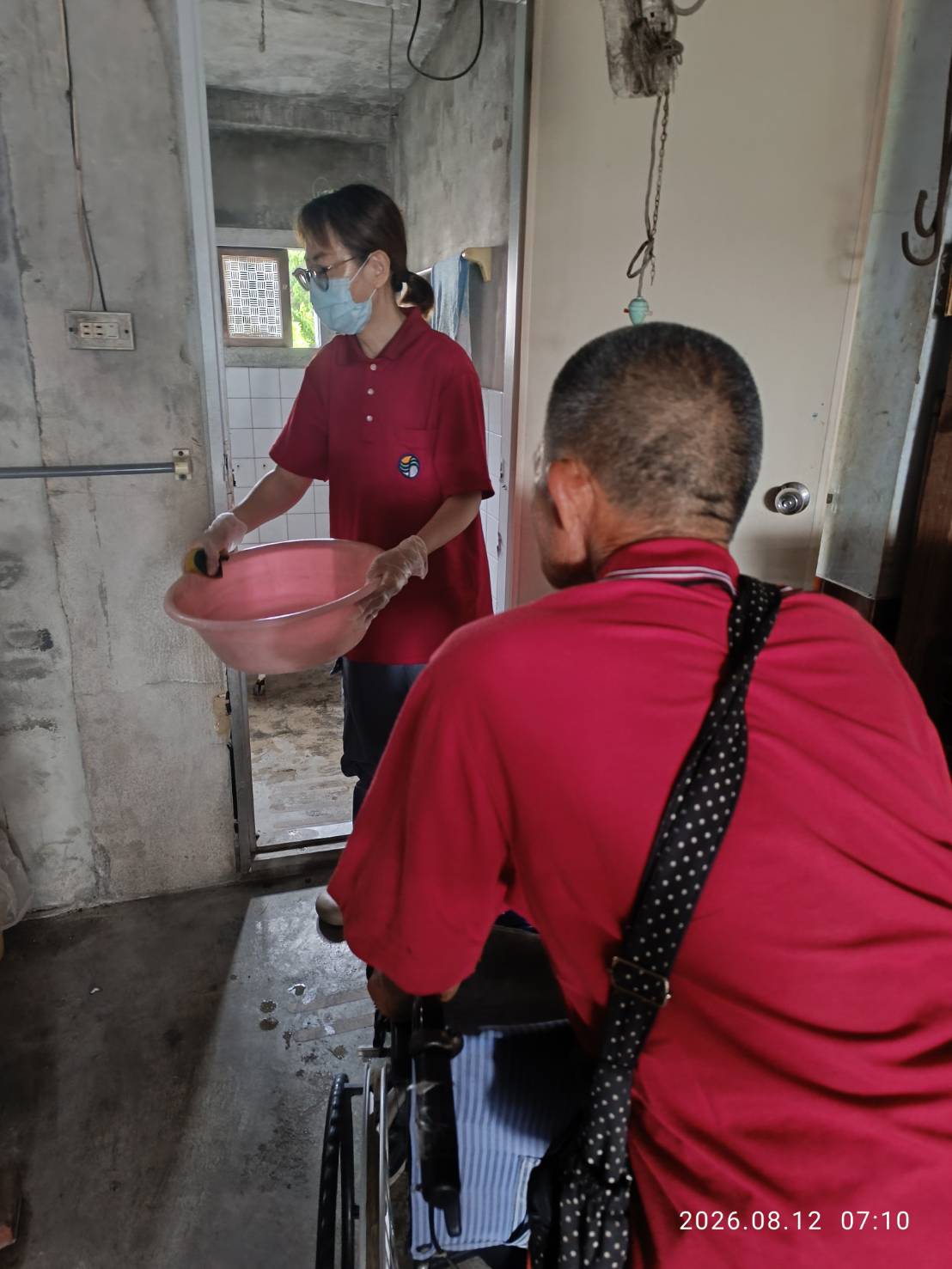
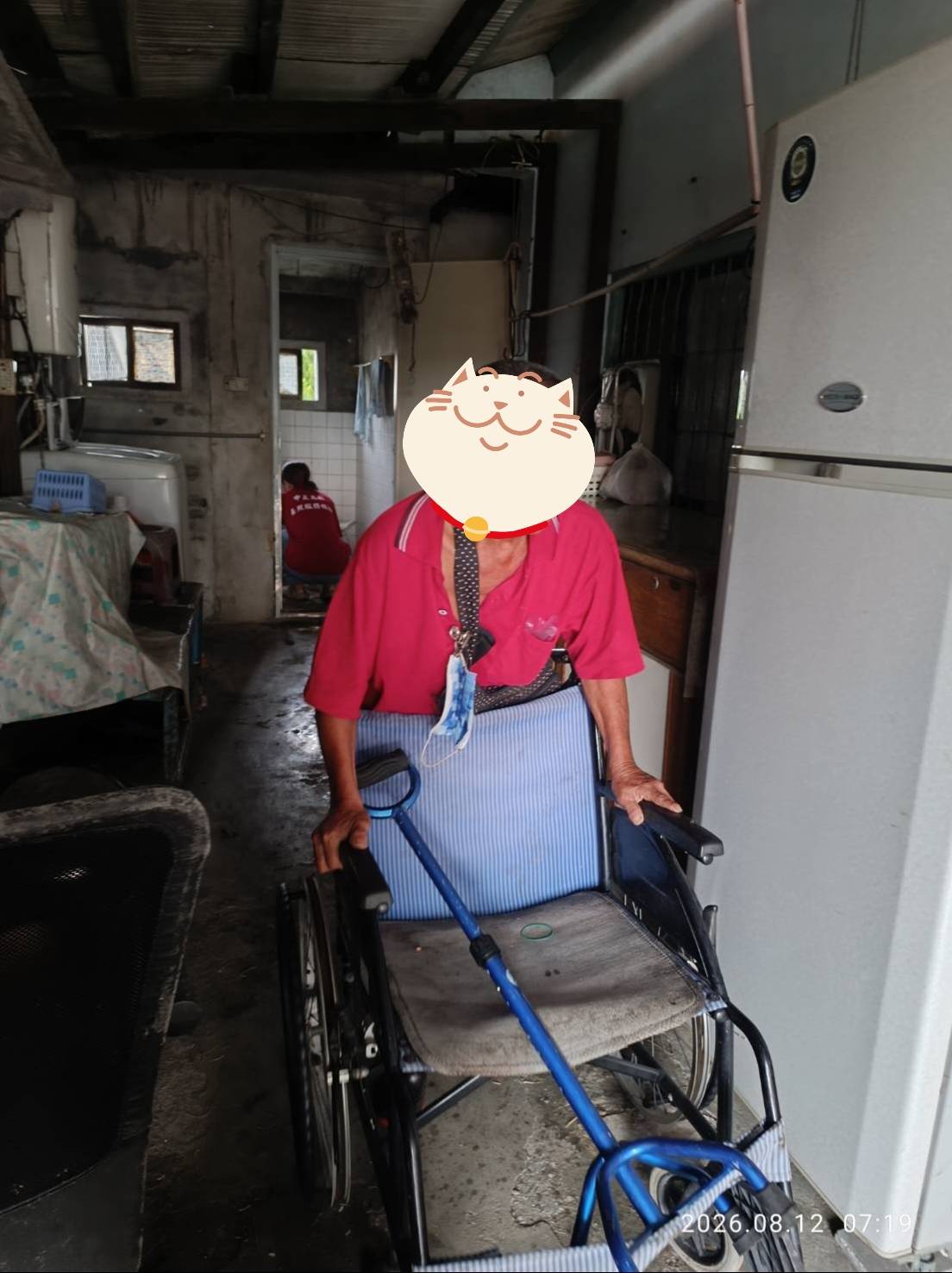
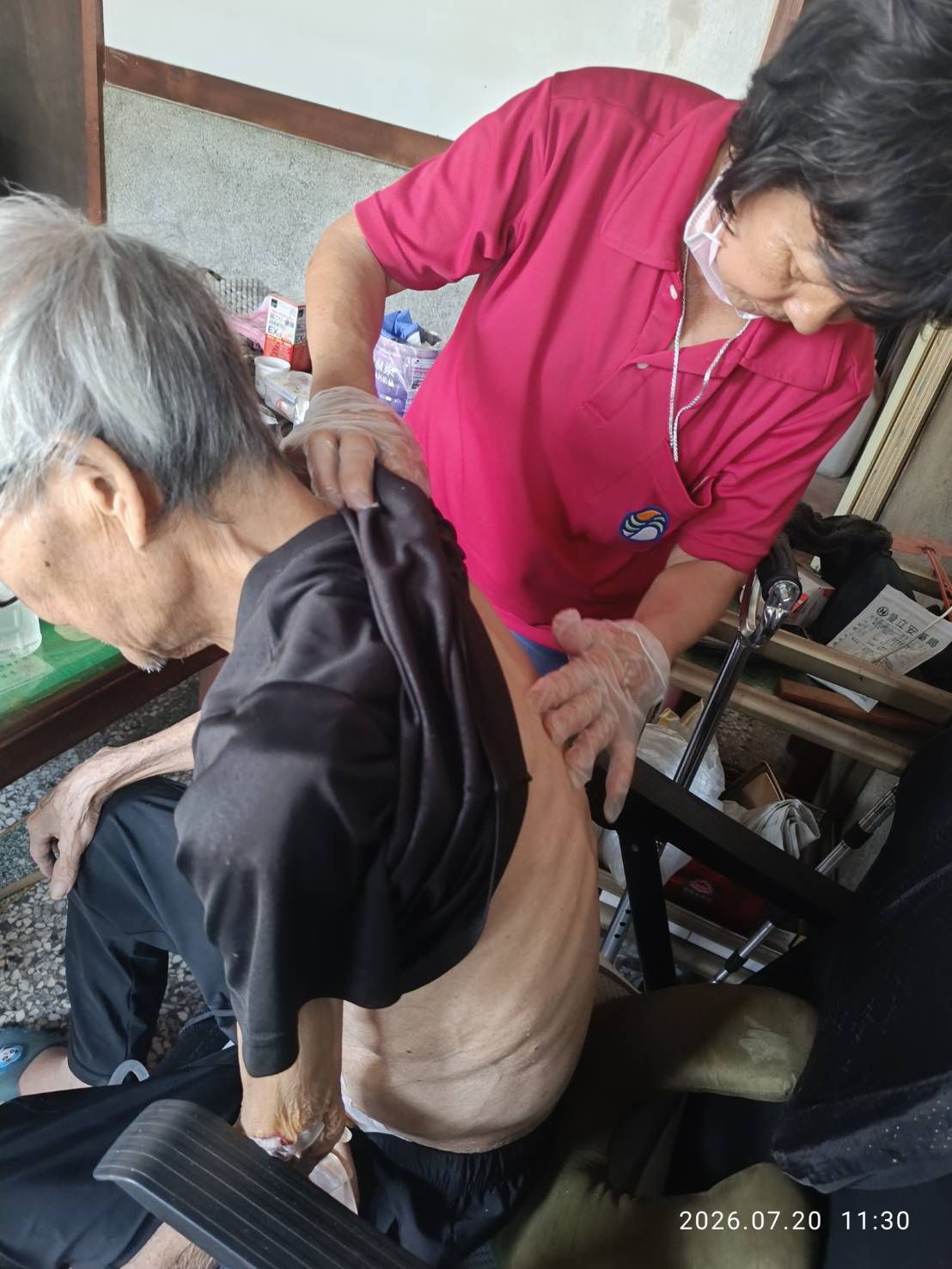
Home care services mean that trained care workers come to an older adult’s home to help with things like bathing, turning in bed, and rehabilitation exercises, so they can be well cared for in the home they know.
The biggest advantage is that older adults can get care and help without moving or entering a facility. Living in familiar surroundings feels more secure and makes it easier to keep a good quality of life.
From 2026, you are eligible if a county or city Long-Term Care Management Center assesses you at care need Level 2 or above, and you belong to any one of the following groups:
Call the Long-Term Care Hotline 1966 / apply at your local health center / apply through Chung Cheng Gaoling (05-220-1001) / apply through the hospital during a hospital stay / apply online
Where you live, the caregiver’s difficulties, the older adult’s condition, and so on
After you apply, the Long-Term Care Management Center sends a care manager and a case manager to your home to assess ADL/IADL, cognition, mobility, and the home environment
After the assessment, the center assigns a care level (Levels 2 to 8) and determines your household category
The case manager recommends the most suitable services (home care, respite care, and others) based on the client’s situation
Once the plan is approved, services can begin. Each month we apply for your subsidy amount (based on actual use). You only pay your co-payment, and we take care of the rest.
Normally the case manager reviews every 6 months and the care manager reviews once a year. An older adult’s condition can change, whether it worsens or stays stable. If anything changes, tell your care manager or case manager and ask for a new assessment. The subsidy amount may be adjusted too.
From the A-Unit referral to the care worker’s first visit, we make sure everything is completed within 4 working days.
| Disability level | Monthly subsidy limit | Category 3 co-payment rate | Category 2 co-payment rate | Category 1 co-payment rate |
|---|---|---|---|---|
| Level 2 | $10,020 | 16% | 5% | 0% |
| Level 3 | $15,460 | 16% | 5% | 0% |
| Level 4 | $18,580 | 16% | 5% | 0% |
| Level 5 | $24,100 | 16% | 5% | 0% |
| Level 6 | $28,070 | 16% | 5% | 0% |
| Level 7 | $32,090 | 16% | 5% | 0% |
| Level 8 | $36,180 | 16% | 5% | 0% |
Home care services are provided by home care workers, who help older adults with the parts of daily life they find difficult. The services fall into three main groups:
These may look like small things, but they matter a great deal to an older adult's quality of life. For those with limited mobility or declining health, a little help goes a long way toward living with dignity.
| Code | Name | Usage limits | Description |
|---|---|---|---|
| BA01 | Basic body cleaning | — | Combing hair and grooming the face, dressing and undressing, bed baths, hair washing in bed, and cleaning up after toileting (including changing diapers and emptying urine bags during the visit). Hair washing in bed and toileting cleanup may be skipped if the client does not need them. |
| BA02 | Basic daily care | 30 minutes per unit; up to 3 hours per day | Help with turning over, transferring, getting in and out of bed, sitting down and standing up, brushing teeth and washing the face, dressing and undressing, toileting, changing diapers or sanitary pads, emptying and cleaning commodes, stoma bag care, washing the face and/or hands, shaving, trimming fingernails and toenails, help with taking medication, making the bed (and changing sheets), perineal rinsing (without full body cleansing), and similar tasks. |
| BA03 | Vital signs check | — | Measuring the blood pressure, temperature, pulse, and breathing of the person receiving care. Results are recorded, and any abnormal readings are reported to the family and the case manager (or care manager). |
| BA04 | Help with eating or tube feeding | — | Setting up the eating area, heating meals, preparing utensils, help with feeding (or tube feeding), watching how much the person eats and how they respond, advising and talking with the care recipient and family about assisted or tube feeding, and cleaning up afterward. |
| BA05 | Meal service | — | Preparing a meal at the client's home and cleaning up the cooking tools and tableware afterward. One meal preparation counts as one package (for the client only, one serving). |
| BA07 | Help with bathing and hair washing | — | Helping or guiding the client to the bathroom, dressing and undressing, full-body showers, sitz baths or tub baths, hair washing, cleaning up after toileting (including changing diapers and emptying urine bags during the visit), and setting up and cleaning the bathroom before and after. |
| BA08 | Foot care | — | Checking the toenails and the skin of the feet. Trimming the toenails and the skin around them, treating calluses, and foot massage and care. |
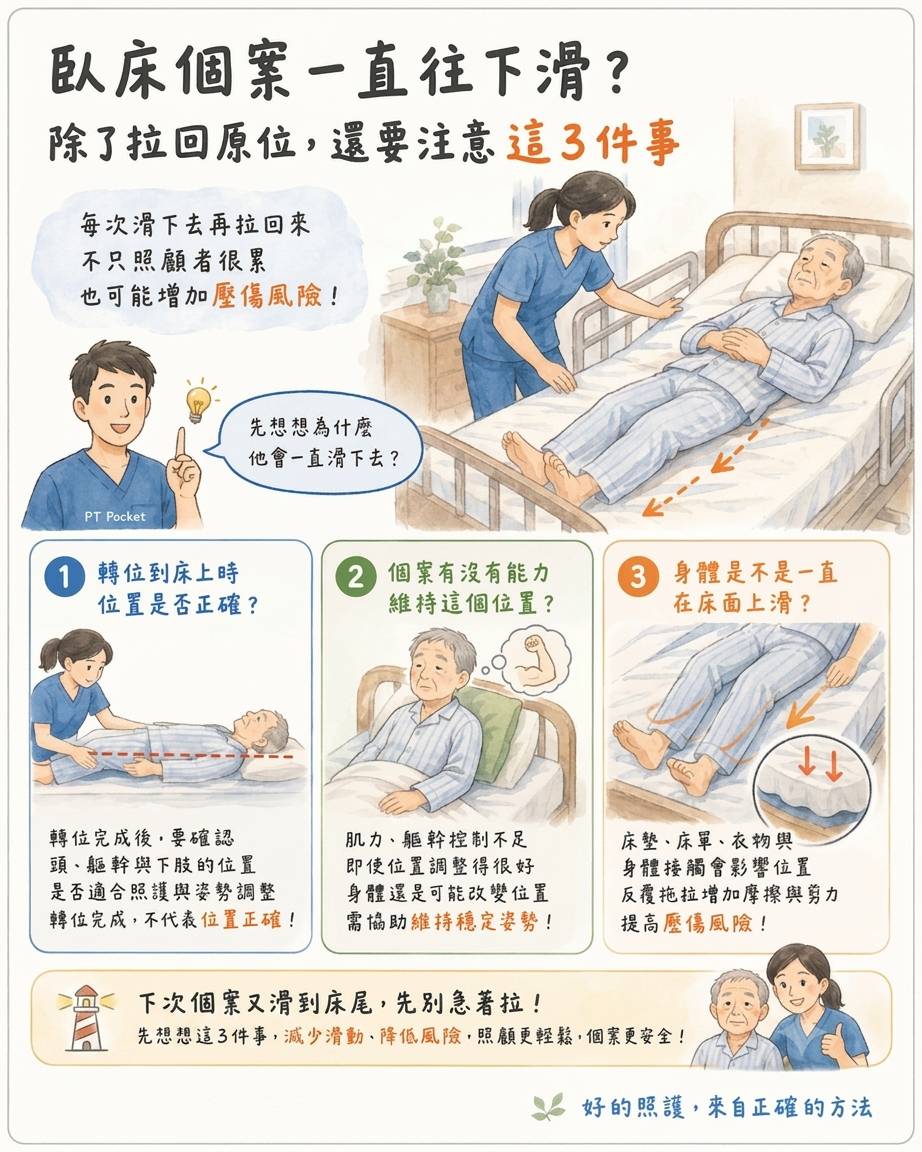
| BA10 | Turning and back patting | — | Chest percussion, vibration, turning over, and related care guidance. |
| BA11 | Joint exercises | — | Passive exercises for the arms and legs, or encouraging the person receiving care to do active exercises or standing practice. |
| BA12 | Help with stairs | Up + down = 2 times | Helping the client go up or down stairs, or carrying a wheelchair up or down stairs, for at least one full floor. |
| BA13 | Accompanied outings | 30 minutes per unit | Shopping, social activities, running errands, religious activities, dining out, walks, going to and from school, regular rehabilitation or dialysis, and exercise. |
| BA14 | Accompaniment to medical visits | Medical visits of 1 to 90 minutes; for visits over 90 minutes, combine with BA13 (accompanied outings) | Help with registration (including appointments), getting the client ready, going with them to the appointment, and listening to and passing on the doctor's instructions and precautions. |
| BA15-1 | Housekeeping help (personal use) | 30 minutes per unit; not for deep cleaning | Household help such as simple cleaning of the main living areas (bedroom and bathroom), washing, drying, and ironing clothes (including going to a self-service laundromat), and simple mending. Cleaning methods include vacuuming, wet cleaning, rinsing, and dusting. |
| BA15-2 | Housekeeping help (shared) | 30 minutes per unit; not for deep cleaning | For clients who do not live alone, housework help must be for the client's own needs. If the area is shared with family members, only 50% of the cost of this package is covered, and the other 50% must be paid by the client. |
| BA16-1 | Shopping, pick-up, or delivery errands | One-way distance within 5 km; the client pays for any extra distance | Items and tasks include meals, groceries, daily necessities, medicine, mailing, subsidized supplies, sending clothes and bed linens to be washed (or picking them up), and necessary errands (such as visiting a government office or paying bills). |
| BA17a | Suctioning secretions from an artificial airway (not an endotracheal tube) | — | Cleaning, suctioning, and removing secretions from an artificial airway (not an endotracheal tube). Simple care of secretions at a tracheostomy site (including care of connected stoma equipment, and changing gauze and securing ties). |
| BA17b | Suctioning secretions from the mouth (in front of the uvula) | — | Cleaning, suctioning, and removing secretions from the mouth (in front of the uvula). |
| BA17c | Cleaning and securing urinary catheters and nasogastric tubes | Up to 7 times per week | Urinary catheter cleaning: includes rinsing the genital area, the urethral opening, and the outer part of the catheter, and changing the tape that secures the catheter. Nasogastric tube cleaning: includes cleaning the skin of the nose, checking that the tube has not slipped, and changing the tape that secures the tube. |
| BA17d1 | Blood glucose testing | Once per day | Checking blood sugar with a portable glucose meter. |
| BA17d2 | Glycerin enema for constipation | Up to 3 times per week | Relieving constipation with a glycerin enema bulb. |
| BA17e | Filling a pill box as instructed | At least once a week, at the lowest frequency | Placing medicine into a pill box according to the instructions on the medicine bag. |
| BA18 | Safety supervision | 30 minutes per unit; for people with intellectual or mental disabilities only | Visiting the client's home to keep them company, offer support (such as games or hobbies), watch over their safety or help (such as taking part in daily activities), and watch for anything unusual. |
| BA20 | Companionship | 30 minutes per unit | Visiting the client's home to keep them company and watch over them, join in daily activities, or read printed or online news or letters aloud. |
| BA22 | Check-in visits | Between 6:00 AM and 8:00 PM, at least 3 times | Visiting the home of the person receiving long-term care benefits and giving simple help. |
| BA23 | Help with hair washing | — | Helping the client transfer or guiding them to the bathroom, dressing and undressing, hair washing, cleaning body parts that are wet or soiled, and preparing and tidying the space before and after. |
| BA24 | Help with toileting | — | Helping the client transfer or guiding them to the bathroom, supporting and assisting with urination and bowel movements, handling sweat, phlegm, or vomit, checking waste, changing urine bags, cleaning stoma bags, caring for the skin around a colostomy (including changing and emptying the stoma bag), checking genital care afterward, and explaining how to manage bladder and bowel control and incontinence. |
| GA09 | Home respite care | 2 hours per unit; up to 10 hours per day | Trained care workers visit the client's home to provide personal care, including help with toileting, bathing, dressing, oral care, eating, taking medication, turning over, back patting, simple passive joint exercises, getting in and out of bed, exercising together, using daily living aids, and other services. |
| SC09 | Short-term home care service | 2 hours per unit; up to 10 hours per day | Substitute care for families who already employ a live-in migrant caregiver. Trained care workers visit the client's home to provide personal care, including help with toileting, bathing, dressing, oral care, eating, taking medication, turning over, back patting, simple passive joint exercises, getting in and out of bed, exercising together, using daily living aids, and other services. |
| No. | Service item | Reimbursement price (NT$) | Indigenous area reimbursement price (NT$) | Client co-payment (Category 3, 16%) | Client co-payment (Category 2, 5%) | Client co-payment (Category 1, 0%) |
|---|---|---|---|---|---|---|
| BA01 | Basic body cleaning | 260 | 310 | 41 | 13 | 0 |
| BA02 | Basic daily care | 195 | 235 | 31 | 9 | 0 |
| BA03 | Vital signs check | 35 | 40 | 5 | 1 | 0 |
| BA04 | Help with eating or tube feeding | 130 | 155 | 20 | 6 | 0 |
| BA05 | Meal care | 310 | 370 | 49 | 15 | 0 |
| BA07 | Help with bathing and hair washing | 325 | 385 | 52 | 16 | 0 |
| BA08 | Foot care | 500 | 600 | 80 | 25 | 0 |
| BA10 | Turning and back patting | 155 | 190 | 24 | 7 | 0 |
| BA11 | Limb and joint exercises | 195 | 235 | 31 | 9 | 0 |
| BA12 | Help with stairs | 130 | 155 | 20 | 6 | 0 |
| BA13 | Accompanied outings | 195 | 235 | 31 | 9 | 0 |
| BA14 | Accompaniment to medical visits | 685 | 825 | 109 | 34 | 0 |
| BA15-1 | Housekeeping help (personal use) | 195 | 235 | 31 | 9 | 0 |
| BA15-2 | Housekeeping help (shared) | 195 | 235 | 112 | 101 | 97 |
| BA16-1 | Errands: shopping, pick-up or delivery (personal use) | 130 | 155 | 20 | 6 | 0 |
| BA16-2 | Errands: shopping, pick-up or delivery (shared) | 130 | 155 | 75 | 68 | 65 |
| BA17a | Suctioning secretions from an artificial airway (not an endotracheal tube) | 75 | 90 | 12 | 3 | 0 |
| BA17b | Suctioning secretions from the mouth (in front of the uvula) | 65 | 80 | 10 | 3 | 0 |
| BA17c | Cleaning and securing urinary catheters and nasogastric tubes | 50 | 60 | 8 | 2 | 0 |
| BA17d1 | Blood glucose testing | 50 | 60 | 8 | 2 | 0 |
| BA17d2 | Glycerin enema for constipation | 50 | 60 | 8 | 2 | 0 |
| BA17e | Filling a pill box as instructed | 50 | 60 | 8 | 2 | 0 |
| BA18 | Safety supervision | 200 | 240 | 32 | 10 | 0 |
| BA20 | Companionship | 175 | 210 | 28 | 8 | 0 |
| BA22 | Check-in visits | 130 | 160 | 20 | 6 | 0 |
| BA23 | Help with hair washing | 200 | 240 | 32 | 10 | 0 |
| BA24 | Help with toileting | 220 | 265 | 35 | 11 | 0 |
| GA09 | Home respite care, 1 unit (2 hours) | 770 | 925 | 123 | 38 | 0 |
| SC09 | Short-term home care, 1 unit (2 hours) | 770 | 925 | 123 | 38 | 0 |
| — | Missed-visit fee (client not available) | — | — | 100 | 100 | 100 |
| — | Extra-distance fee for shopping errands | — | — | 13 / paid by the client for each extra 1 km | 13 / paid by the client for each extra 1 km | 13 / paid by the client for each extra 1 km |
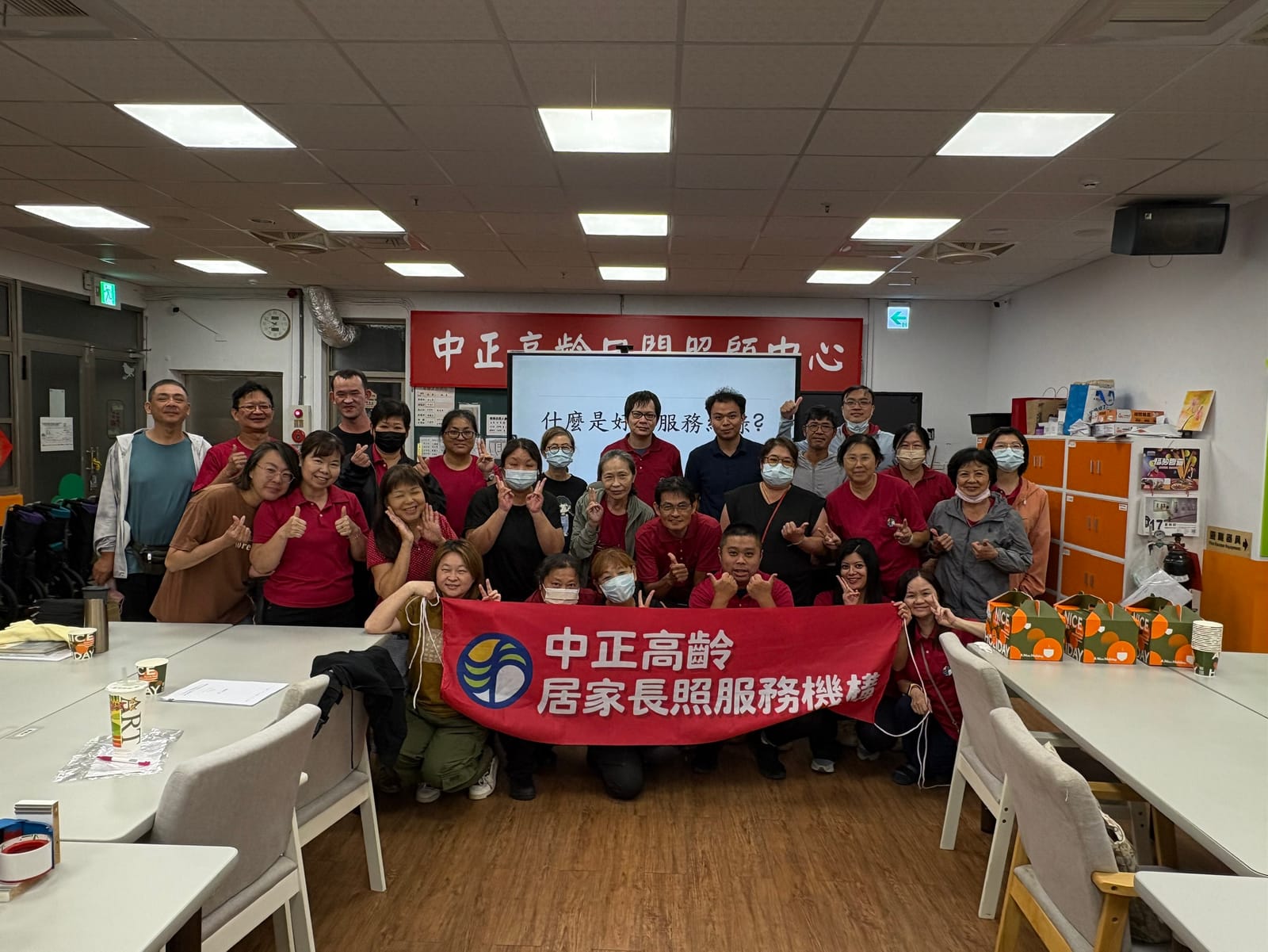
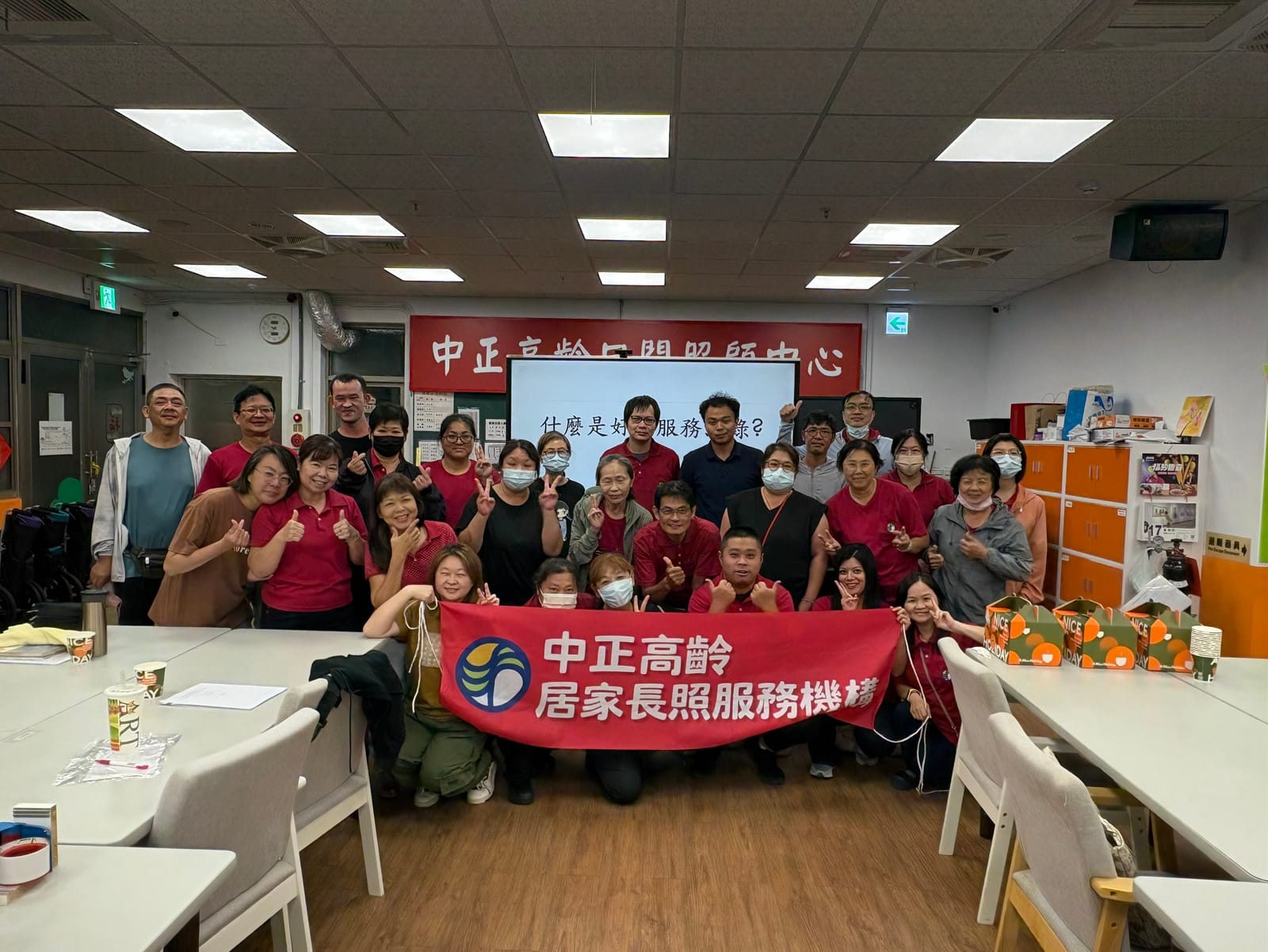
Our home care workers and supervisors treat every older adult with sincerity. We care for each client as if they were family, offering warm, honest, and dependable help.
Our care workers do tasks together with clients in an interactive way and encourage them to take part. What clients can do for themselves, they do themselves (such as washing their own private areas or helping wash vegetables). This makes care very different: it protects dignity and helps slow disability and dementia decline, so clients can age healthily, age at home, age successfully, and age with dignity.
Chung Cheng Gaoling puts the needs of older adults first, so that care is personal, continuous, and varied. We offer dependable and diverse services, assess the care needs of each household, and ease the family's caregiving stress with the right kind of help. Every client has a different style of care, so that each person looks forward to the care worker's visit.
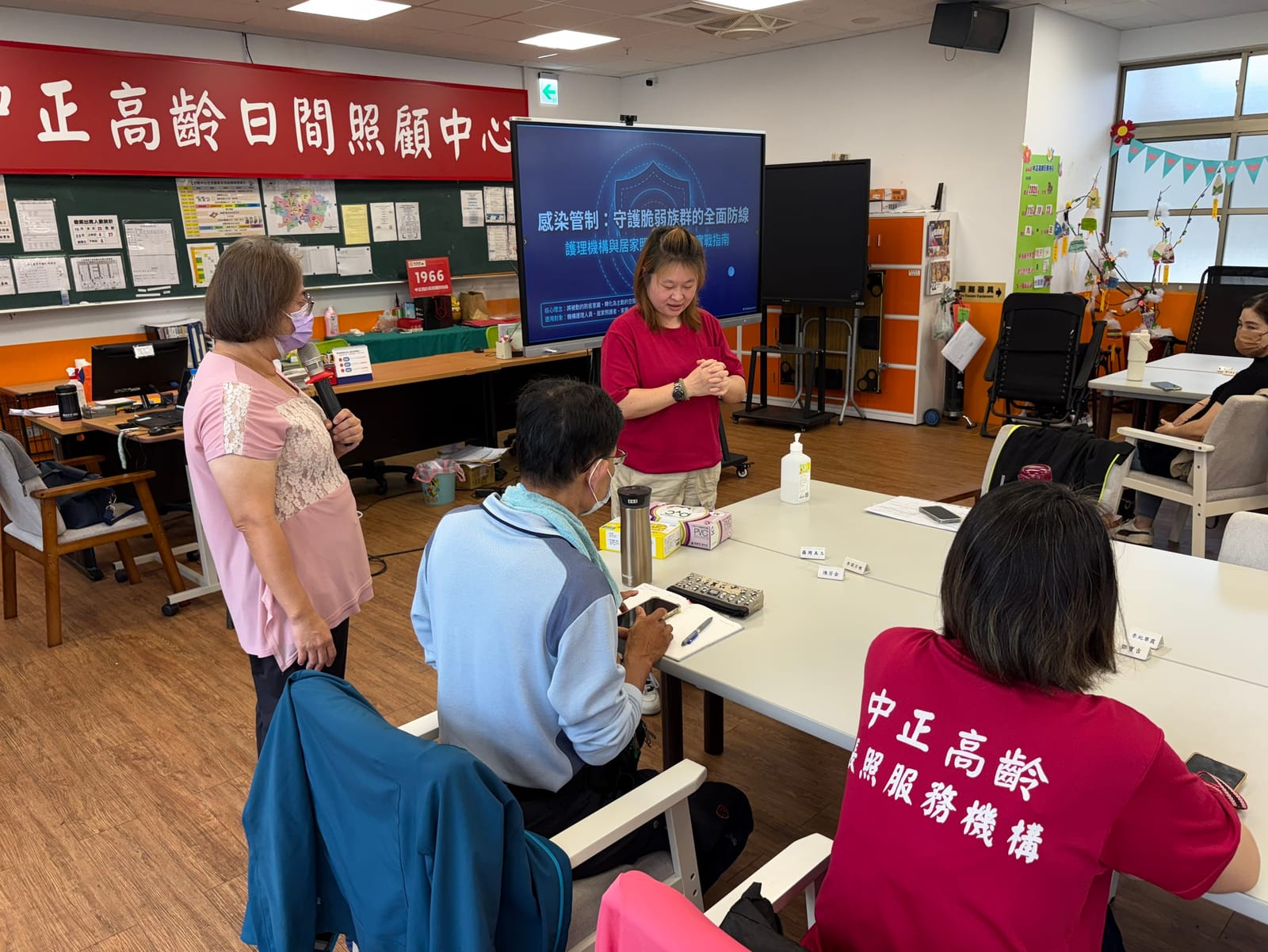
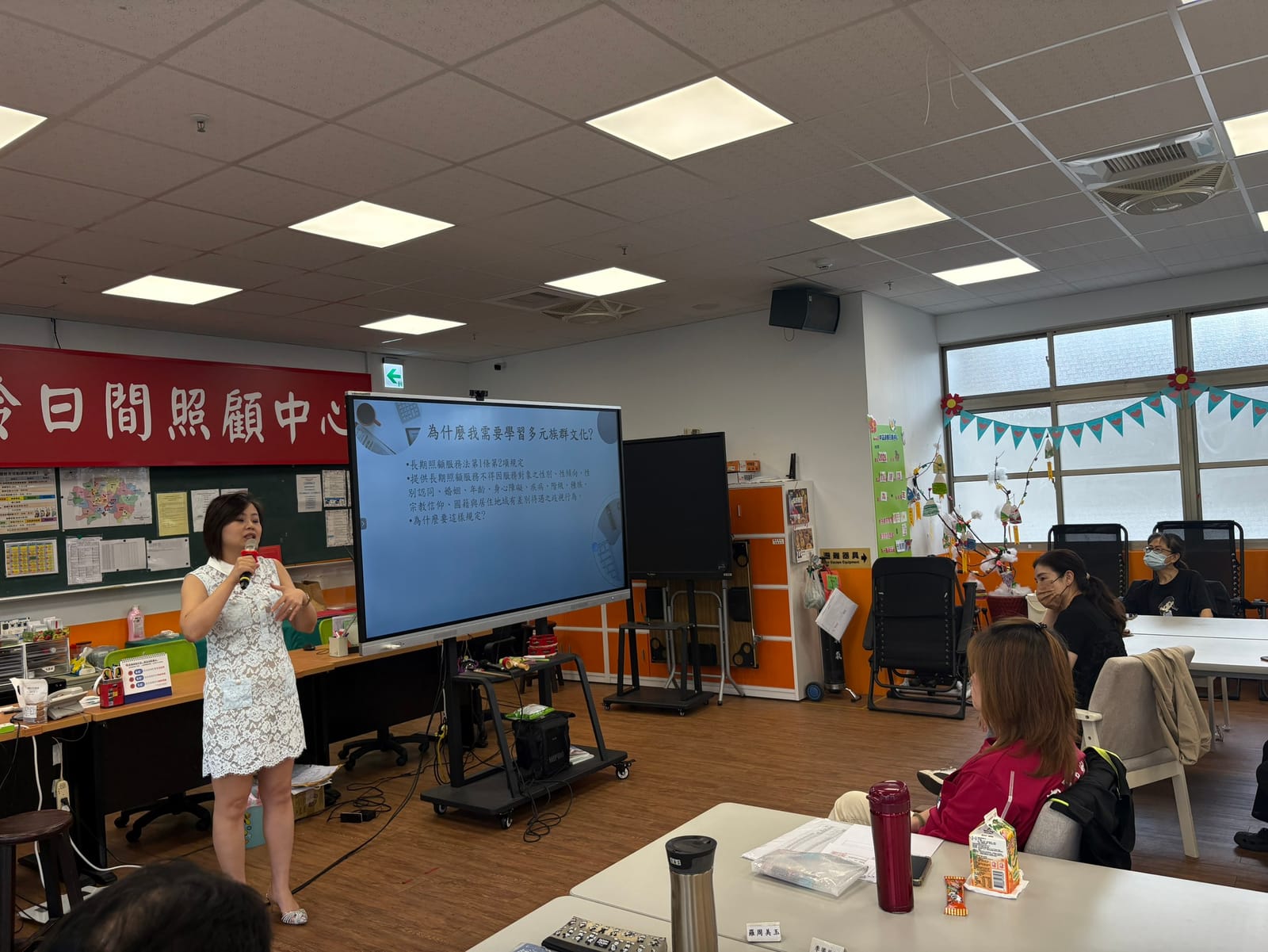
We do more than meet service needs. Each home care worker and supervisor acts as a guardian for the households they visit. If anything seems off, they raise the alarm and give the family sincere, practical advice. When needed, we hold case conferences with a team of professionals (social workers, nurses, care workers, occupational and physical therapists, dietitians, and more) to solve care problems, and we make the right emergency reports to help vulnerable clients.
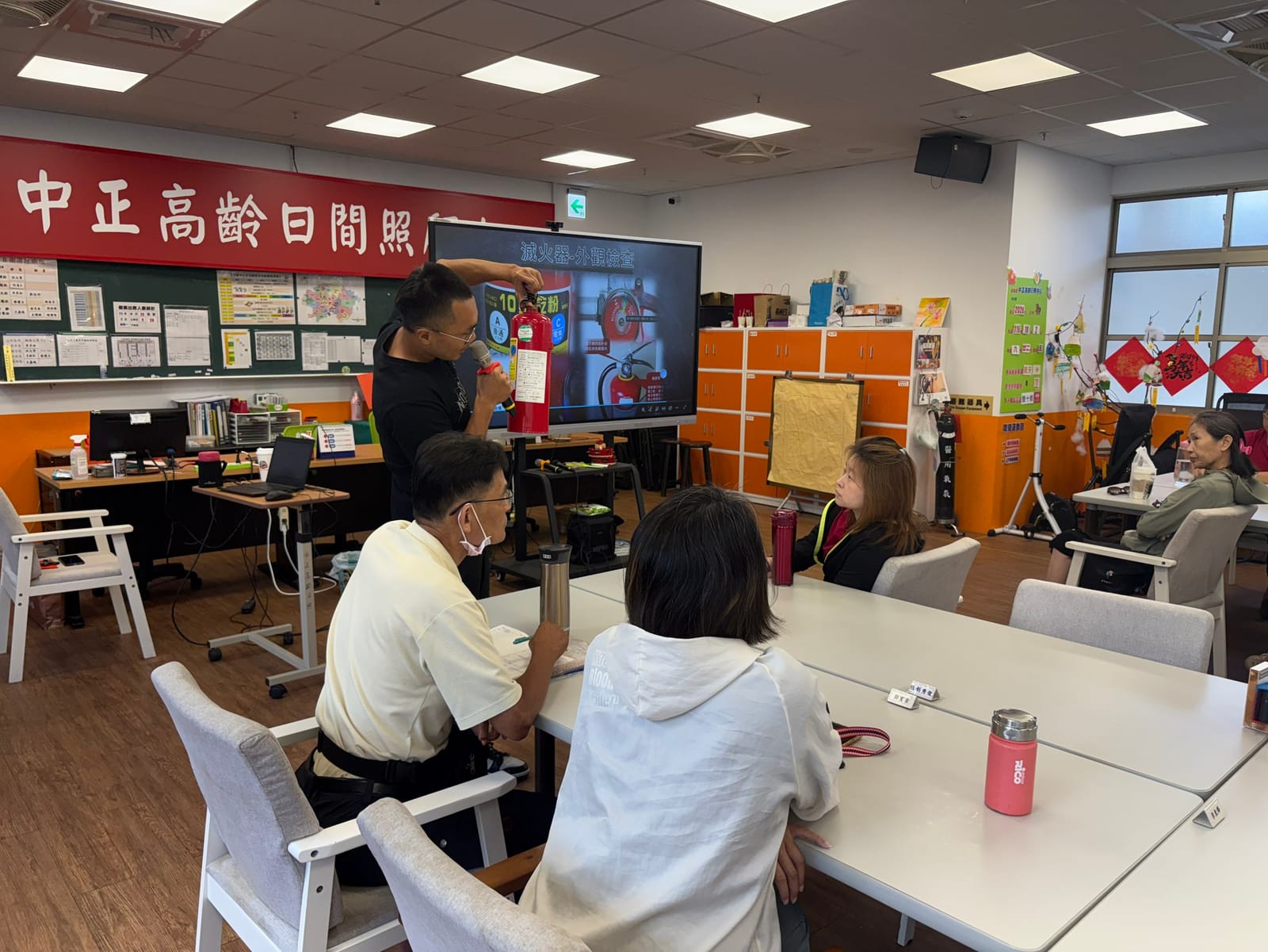
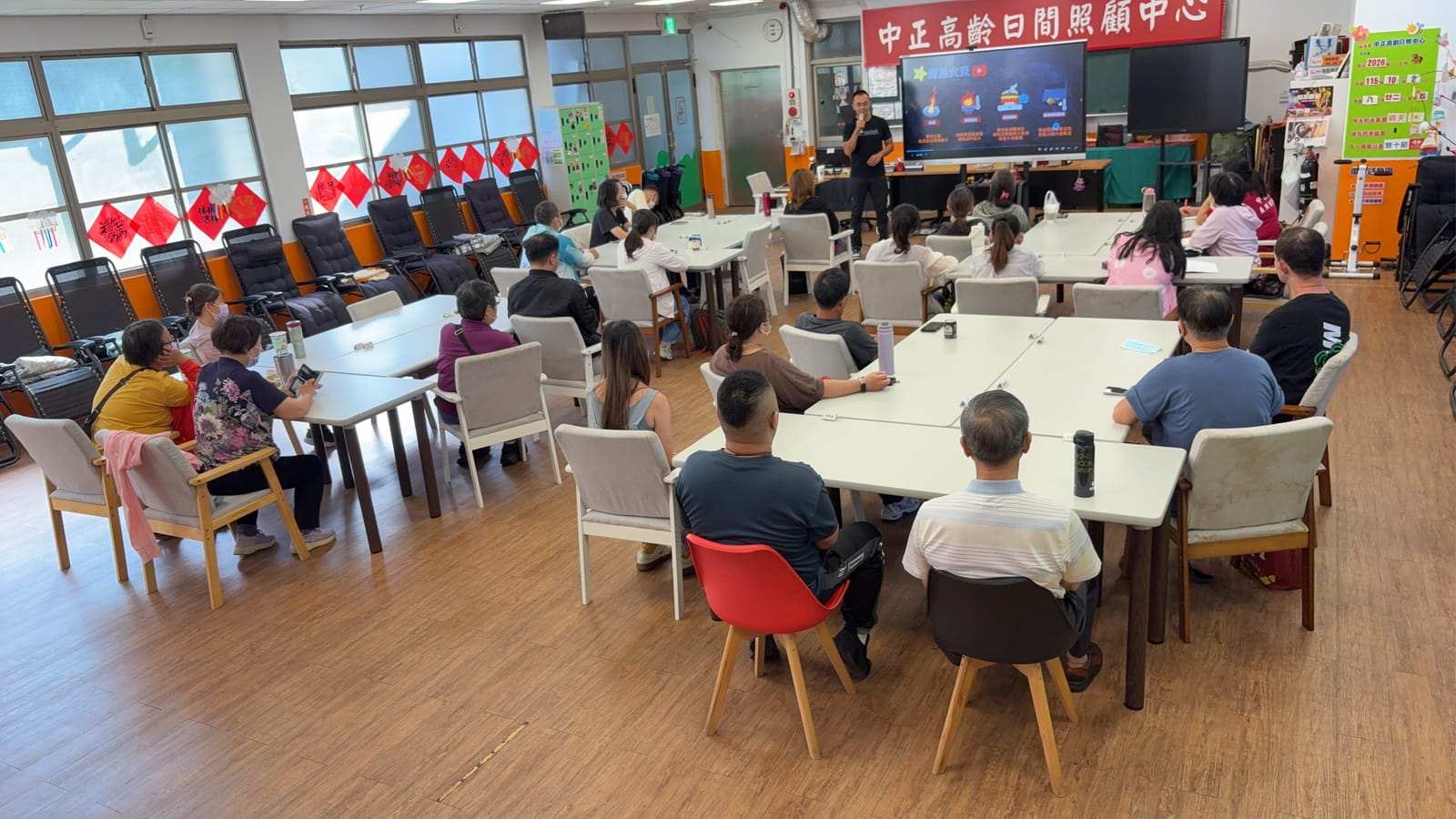
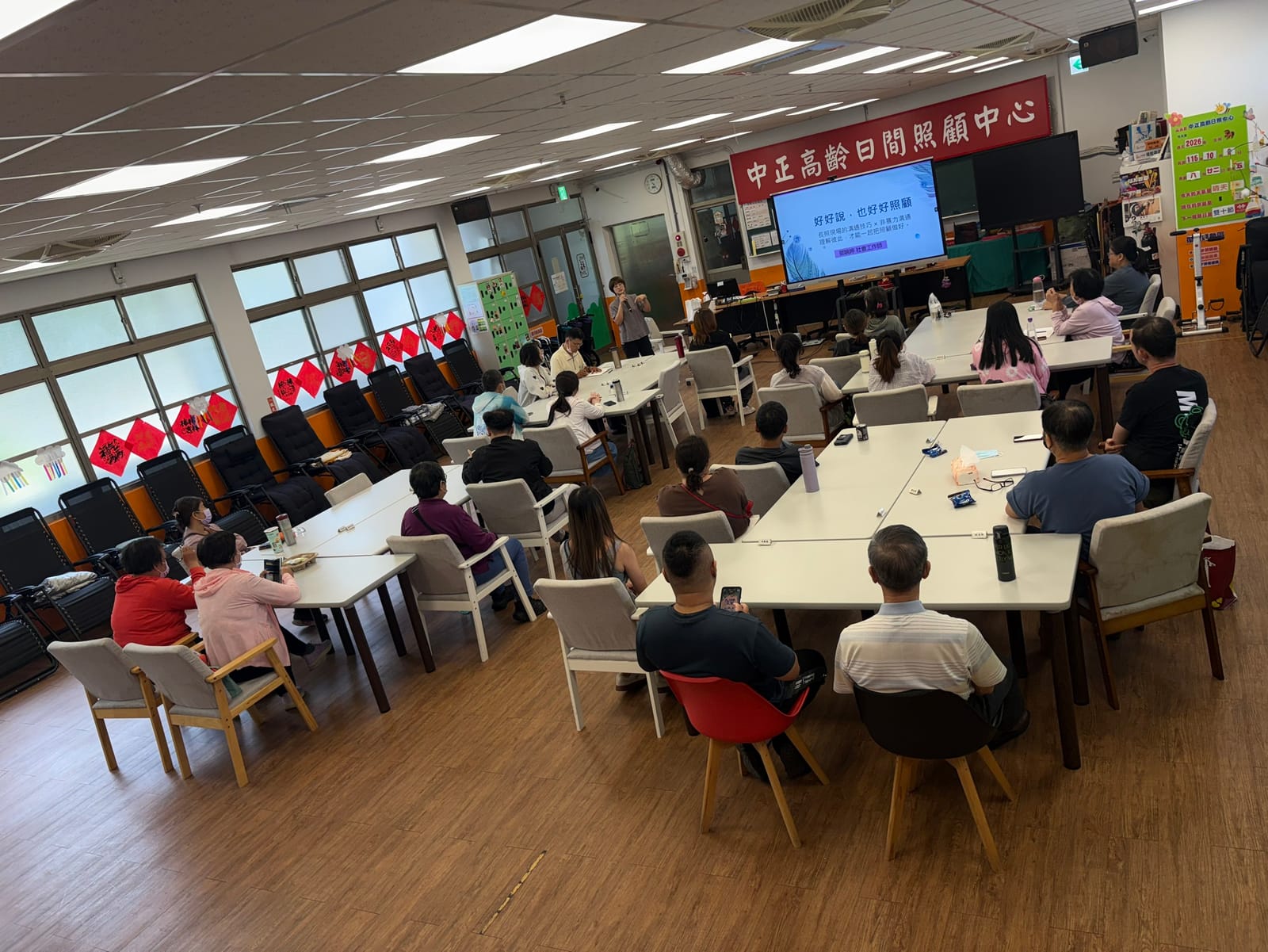
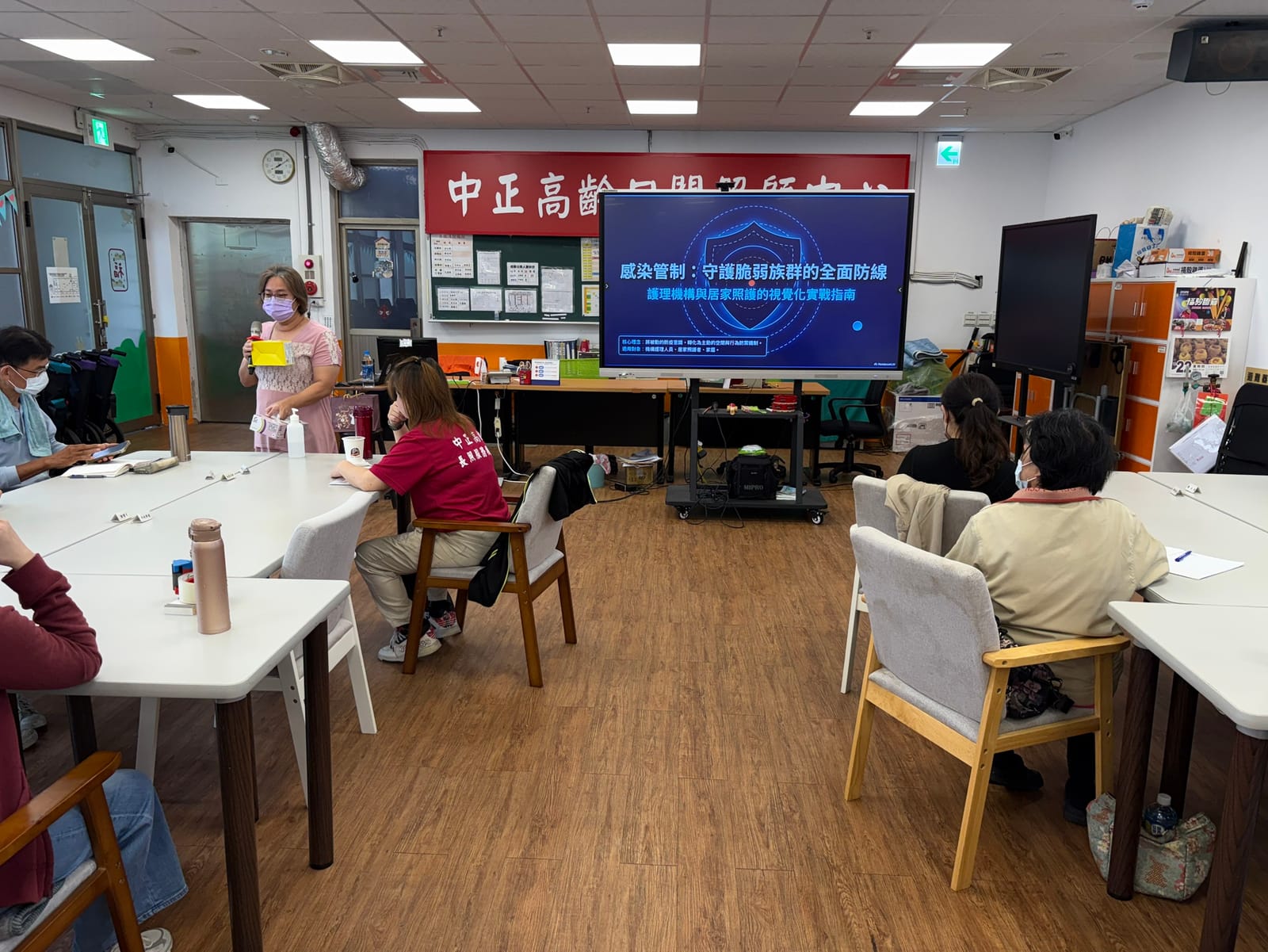
Website planning: Chung Cheng Gaoling|Software design: Old Tree Technology
Copyright © 2026 中正高齡長照社團法人 (Chung Cheng Gaoling Long-Term Care Association)
All rights reserved.


Phone: 05-220-1001 / 05-220-2001
Email: [email protected]
Minxiong: 嘉義縣民雄鄉福樂村新生1街1號2樓
Zhuqi: 嘉義縣竹崎鄉竹崎村中華路33號(家照)
Dalin: 嘉義縣大林鎮平林里水源新城76號
Home Nursing Station: 嘉義市民生南路55巷2號7樓之5
Alishan: 嘉義縣阿里山鄉樂野村樂野90-1號
This month: 1786 visitors / Last month: 8876 visitors
Website planning: Chung Cheng Gaoling|Software design: Old Tree Technology
Copyright © 2026 中正高齡長照社團法人 (Chung Cheng Gaoling Long-Term Care Association)
All rights reserved.