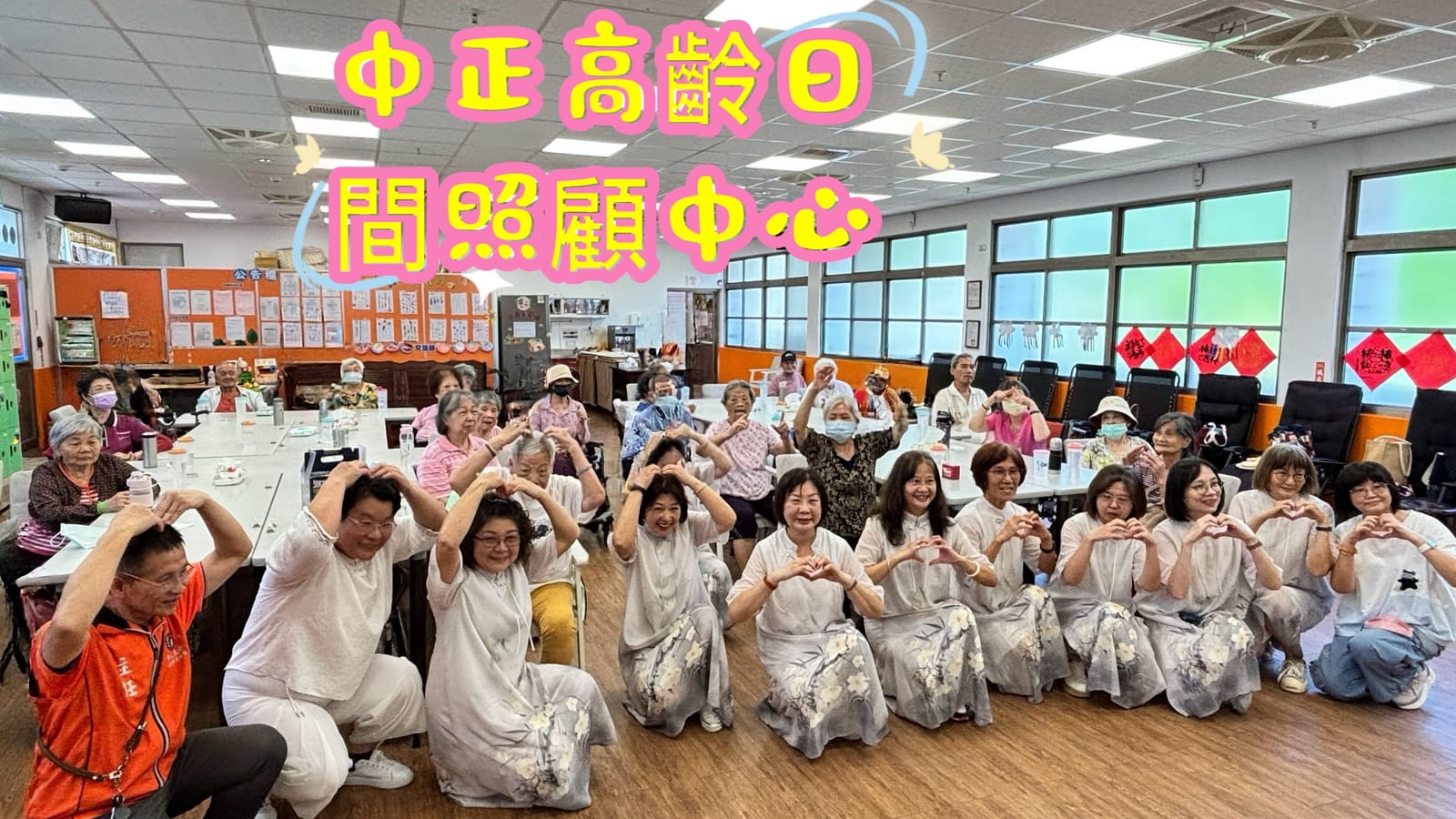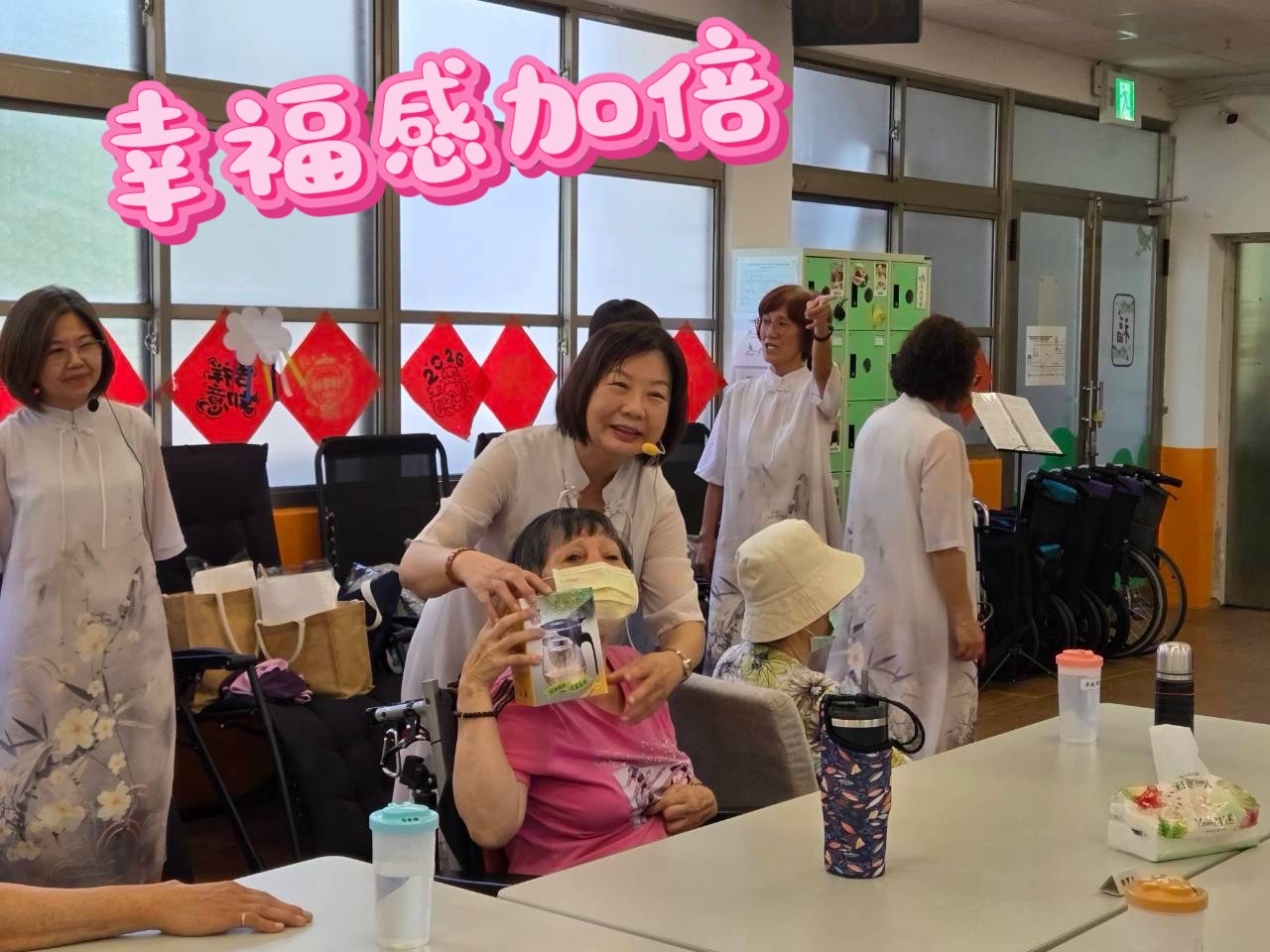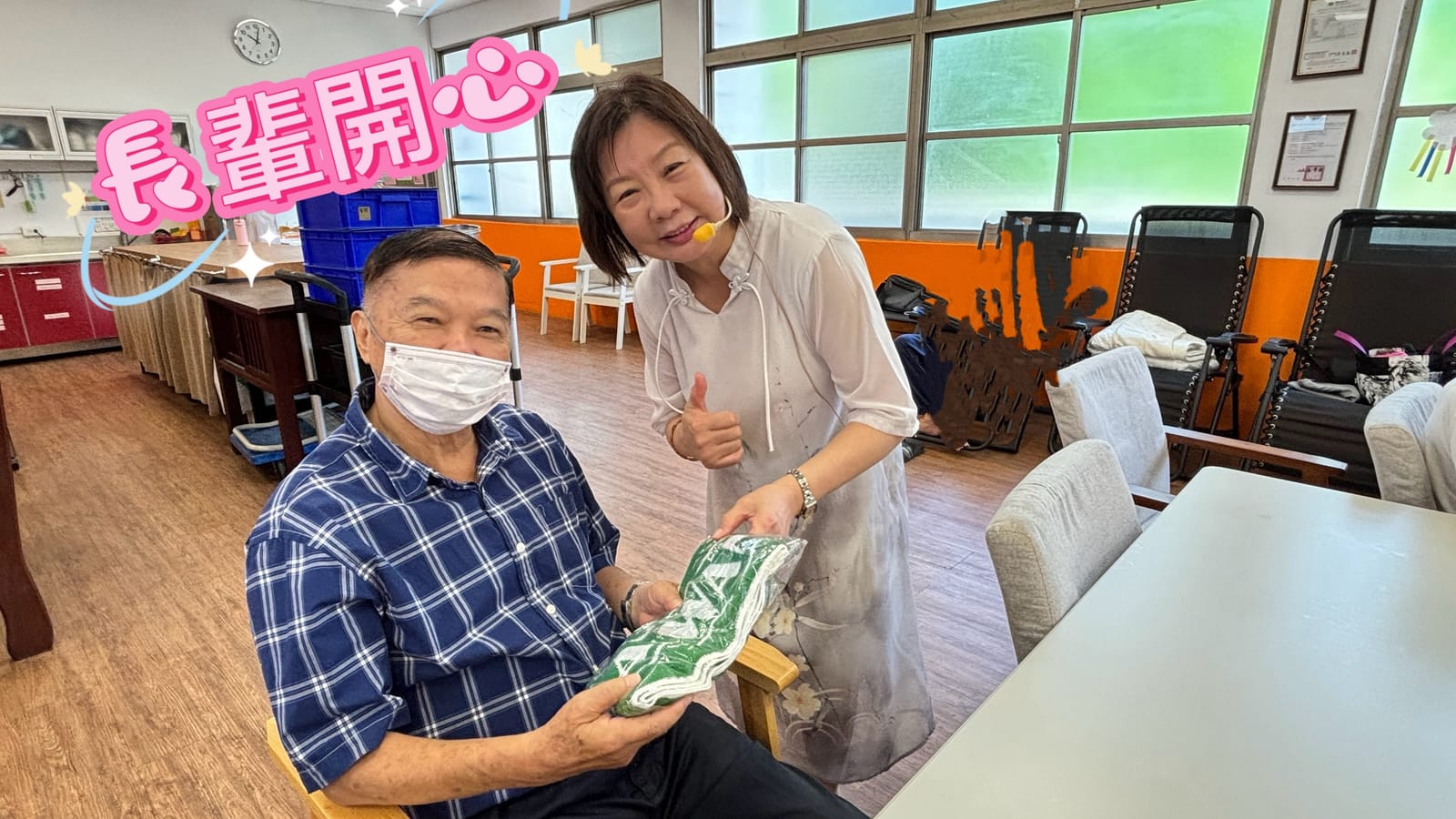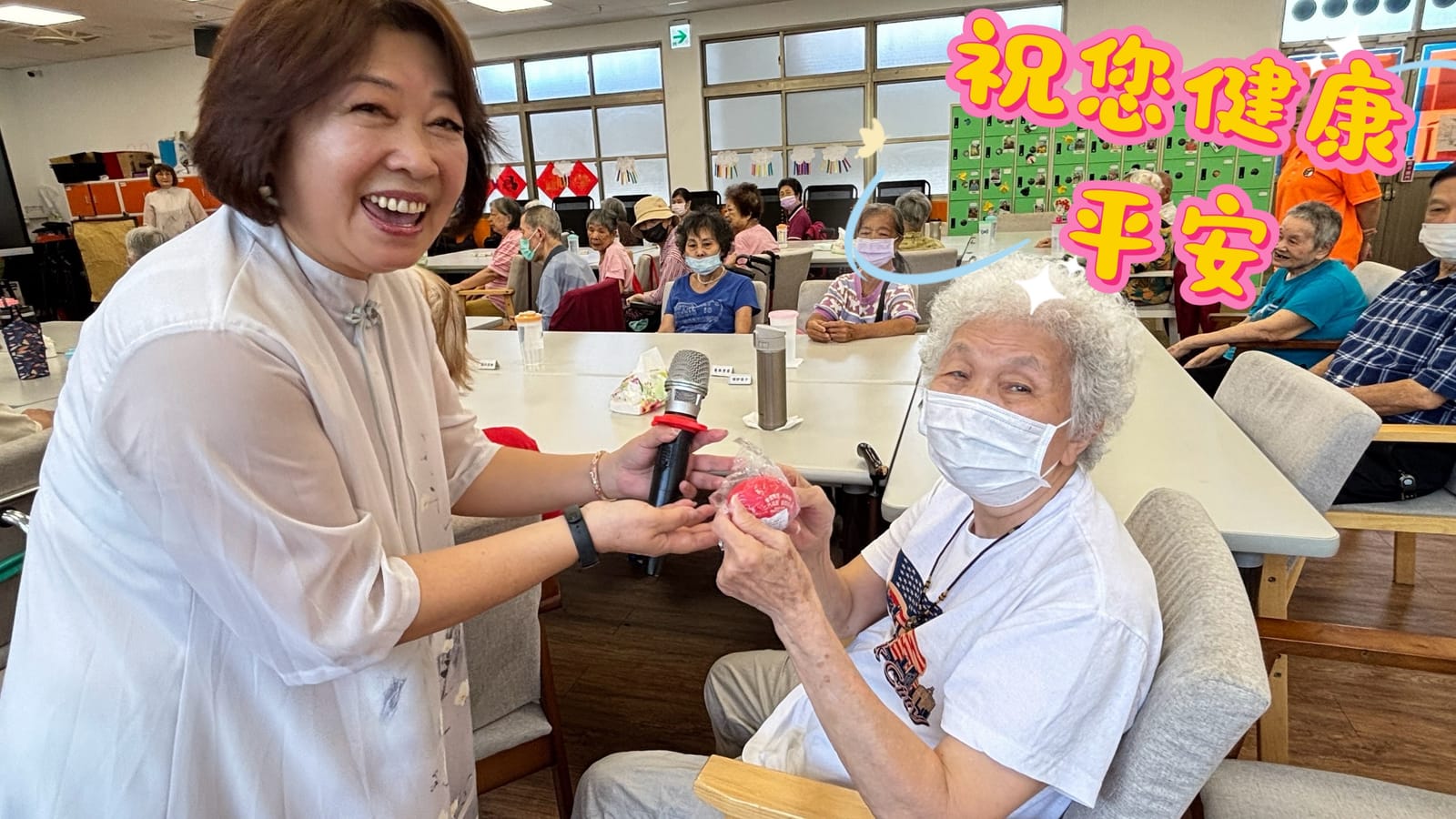

Phone: 05-220-1001 / 05-220-2001
Email: [email protected]
Minxiong: 嘉義縣民雄鄉福樂村新生1街1號2樓
Zhuqi: 嘉義縣竹崎鄉竹崎村中華路33號(家照)
Dalin: 嘉義縣大林鎮平林里水源新城76號
Home Nursing Station: 嘉義市民生南路55巷2號7樓之5
Alishan: 嘉義縣阿里山鄉樂野村樂野90-1號

 Day care center
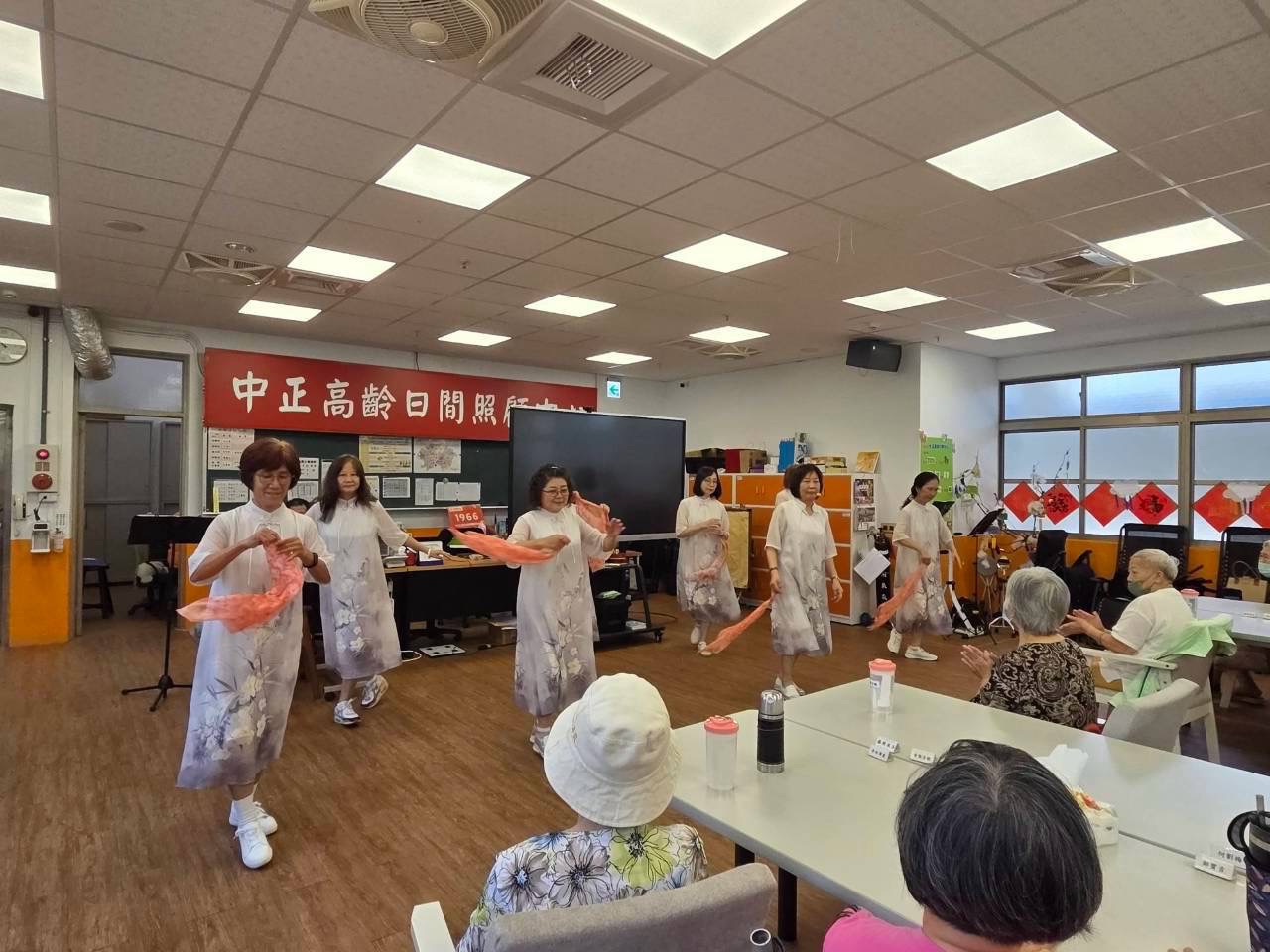
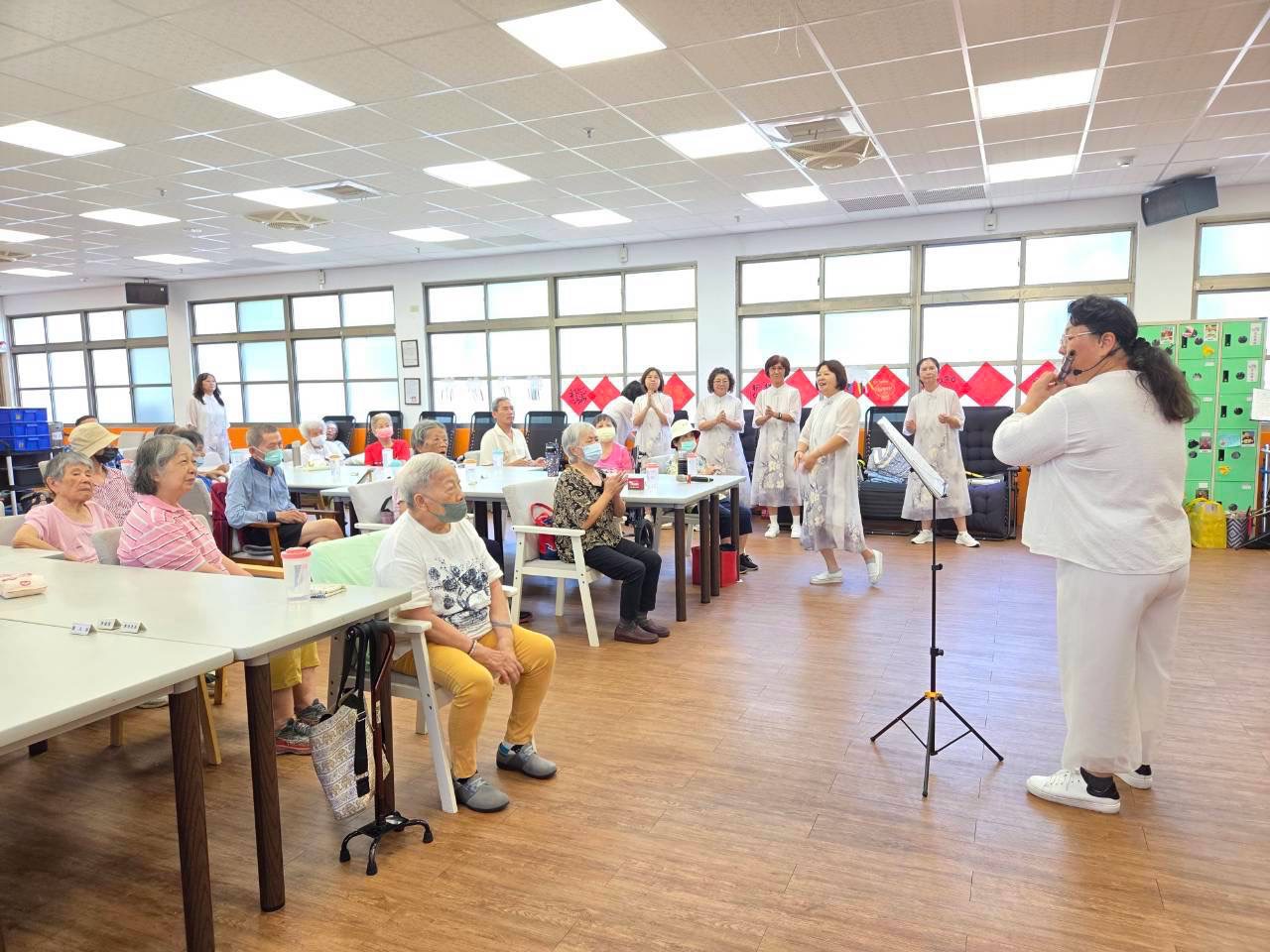
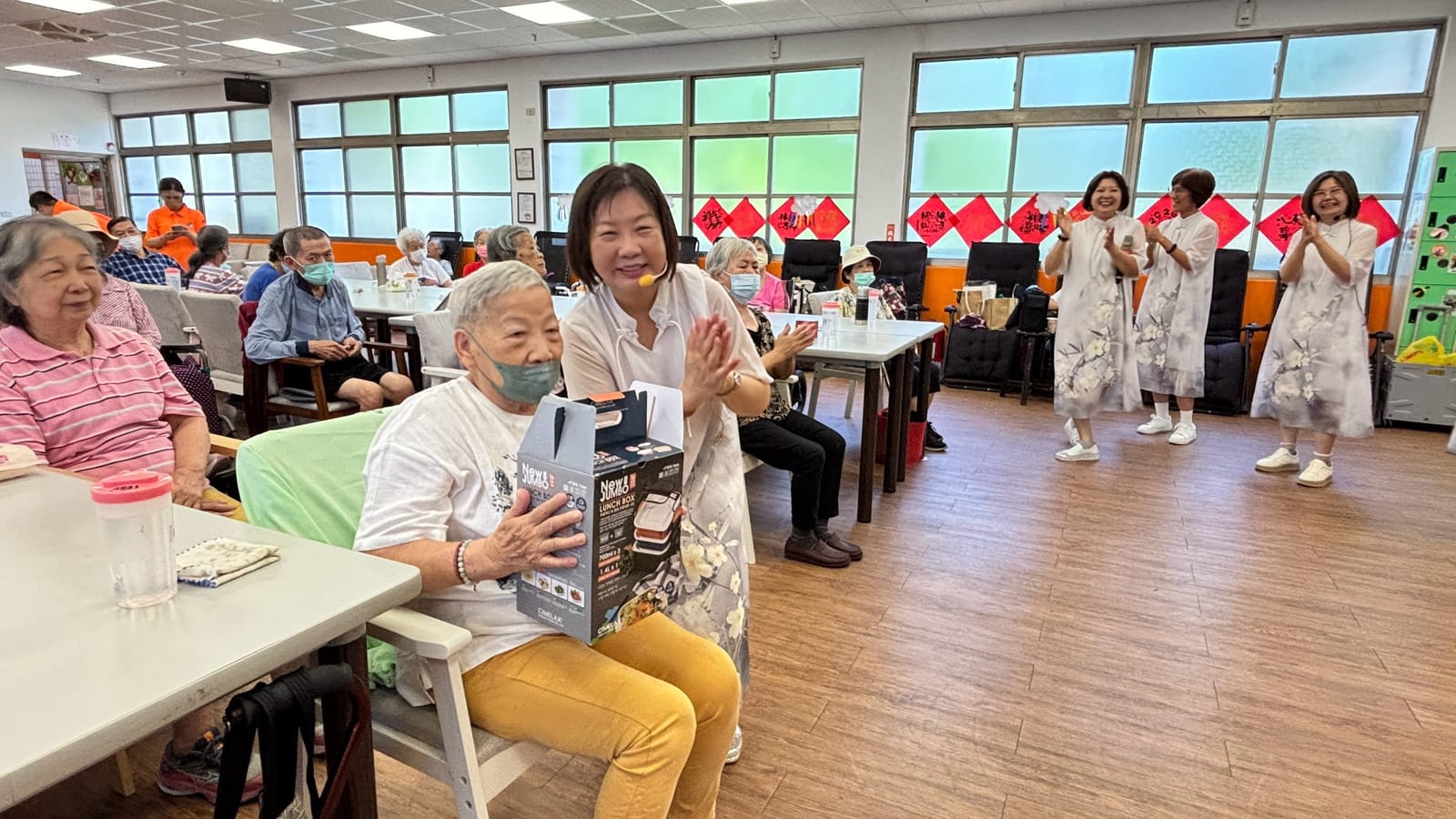
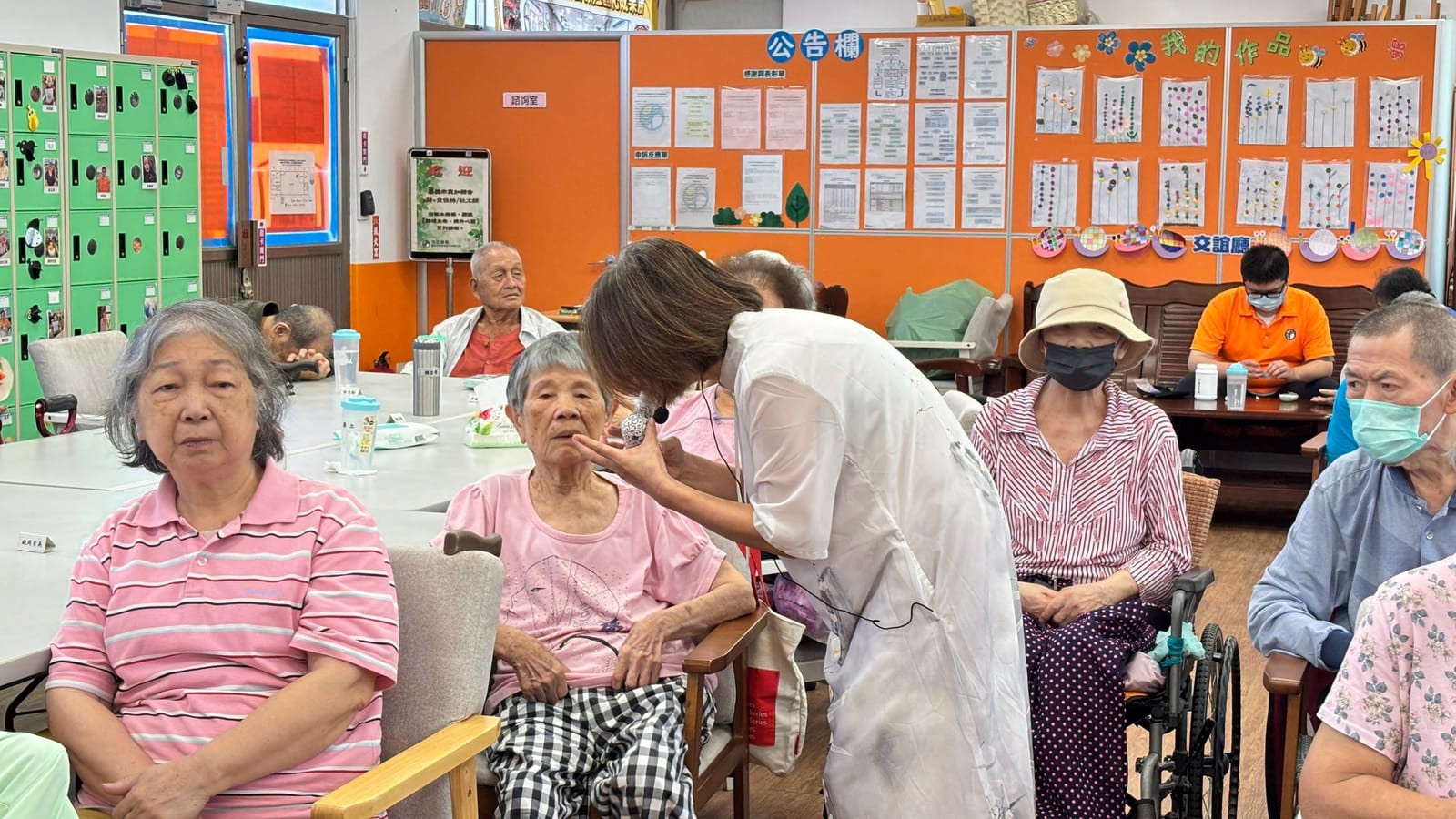
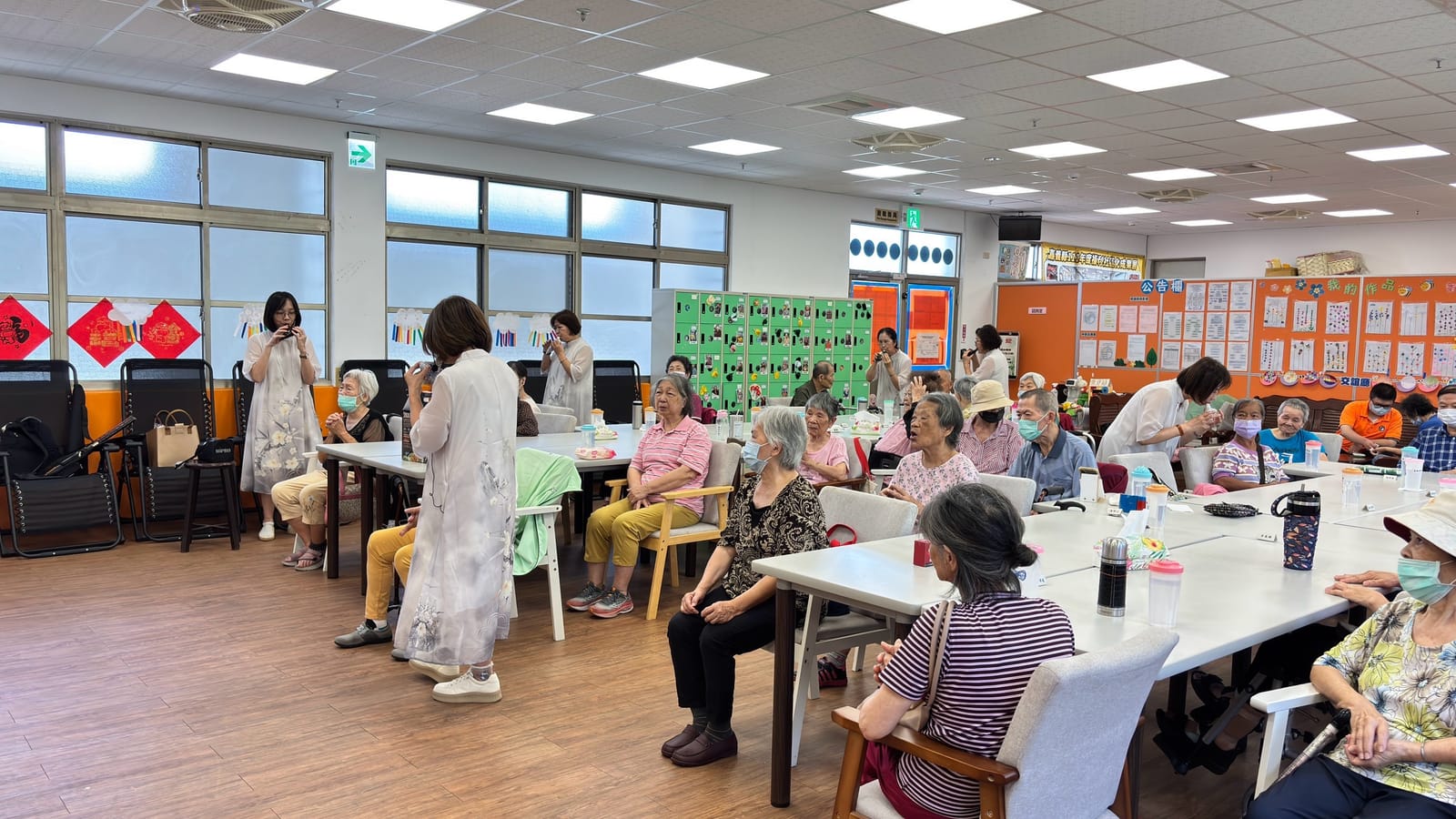
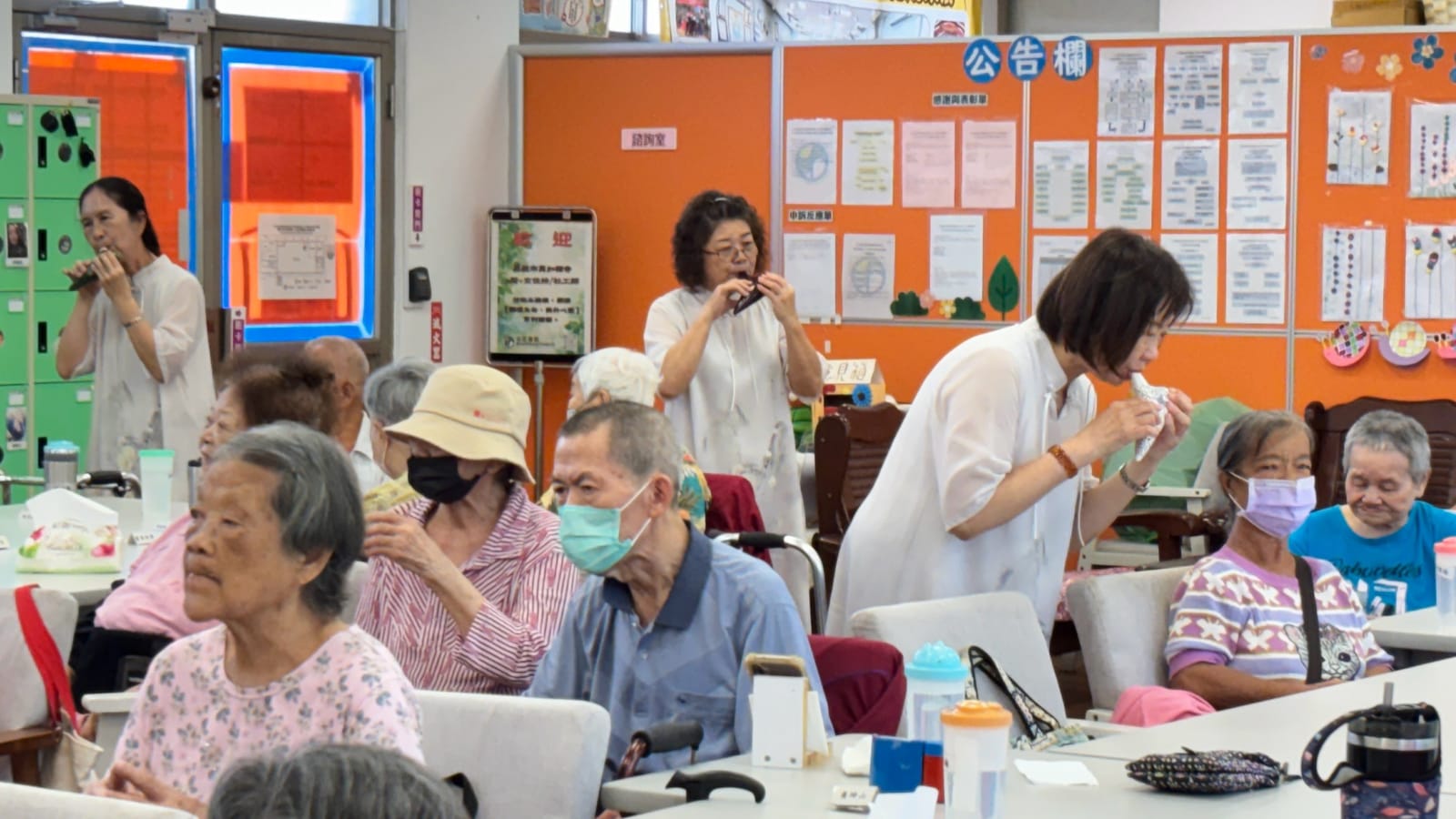
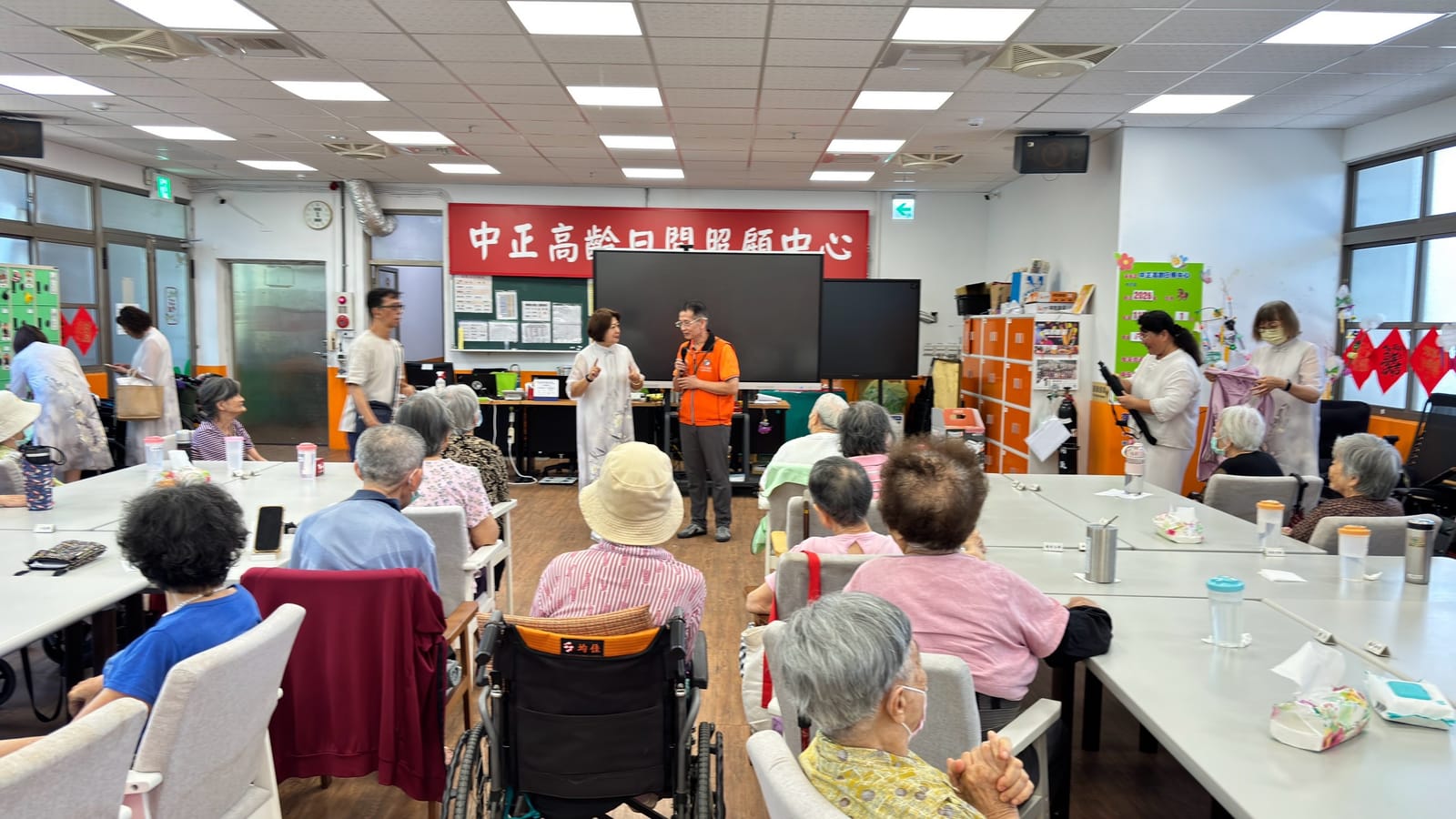
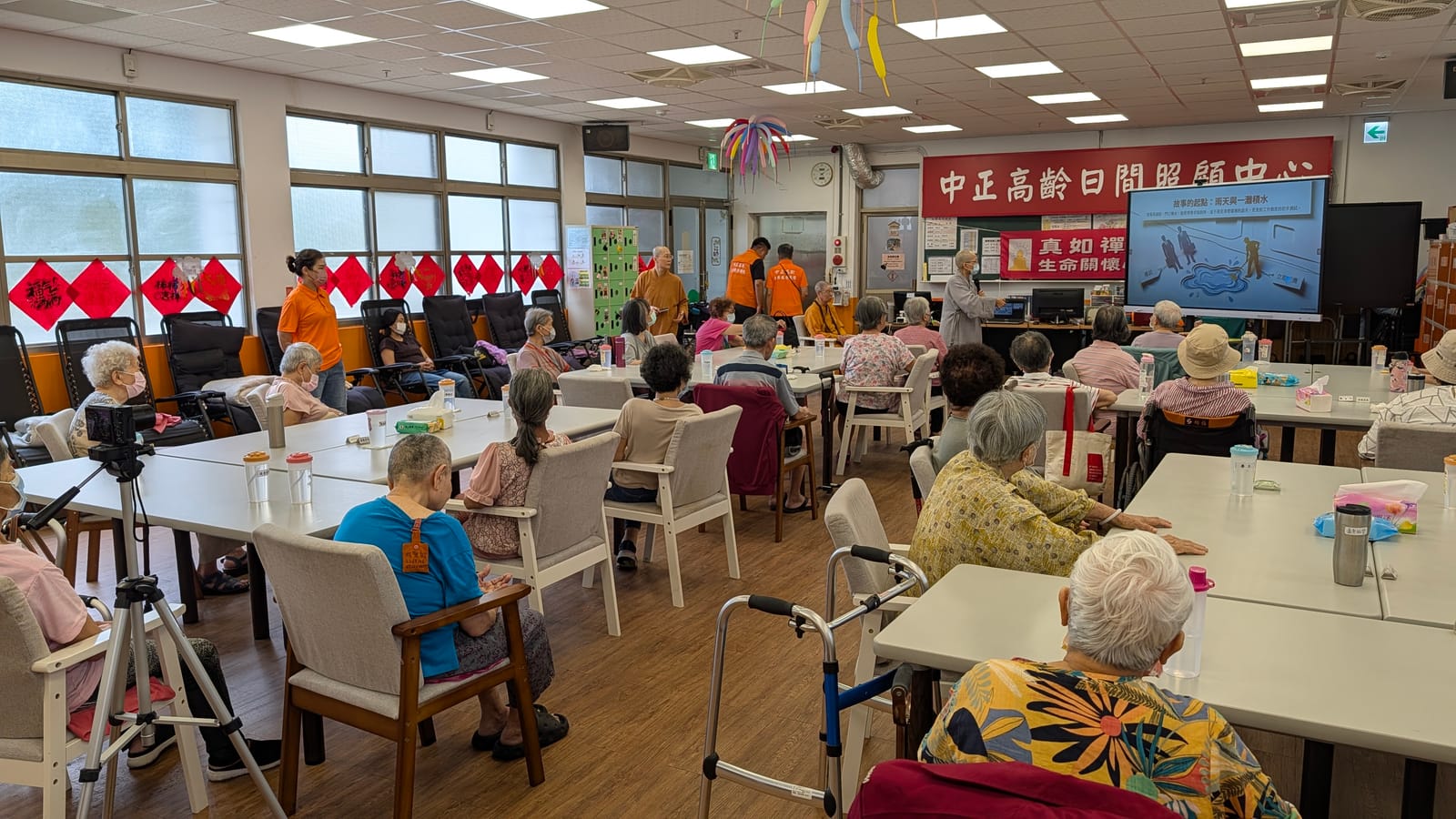
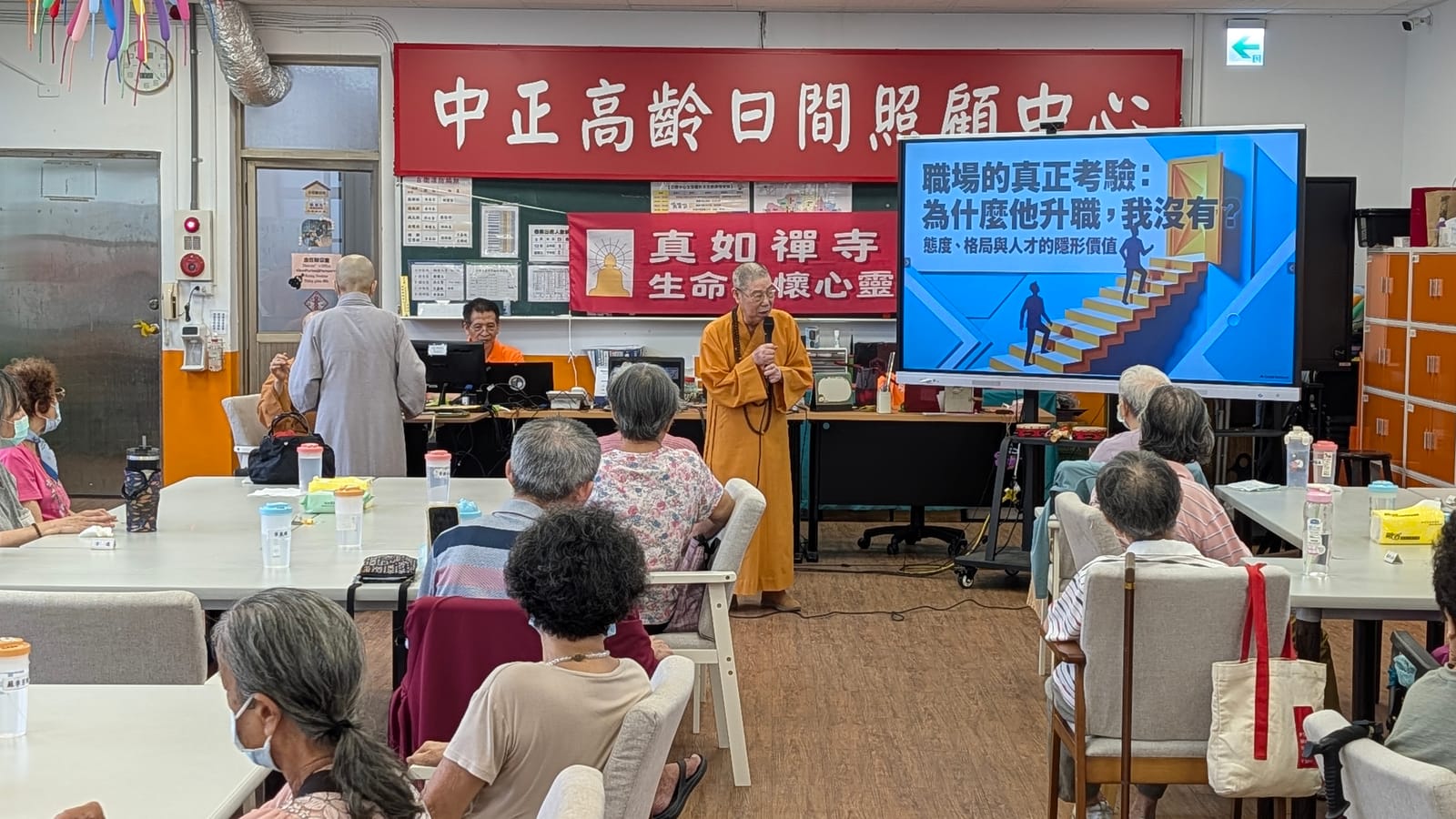
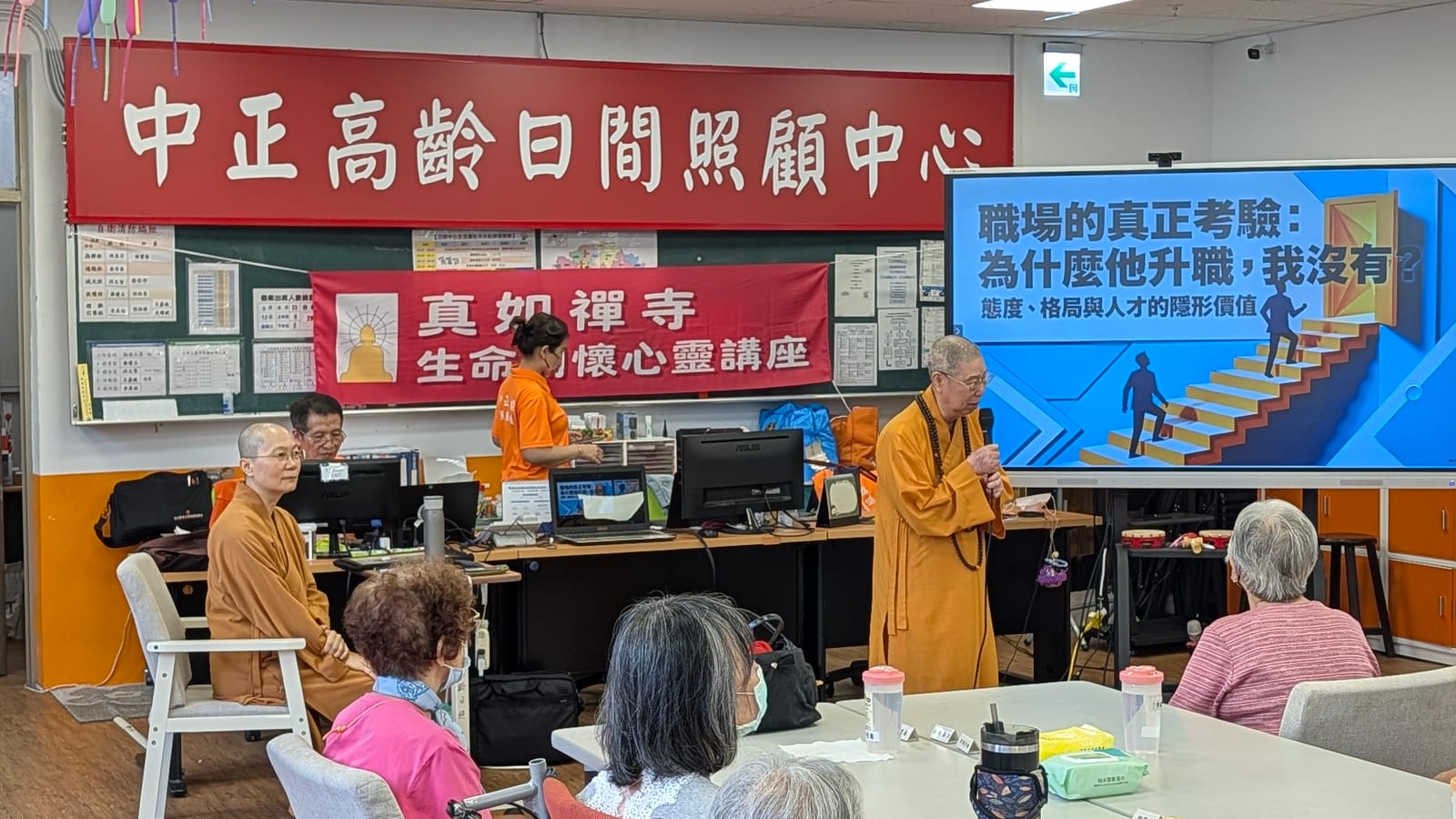
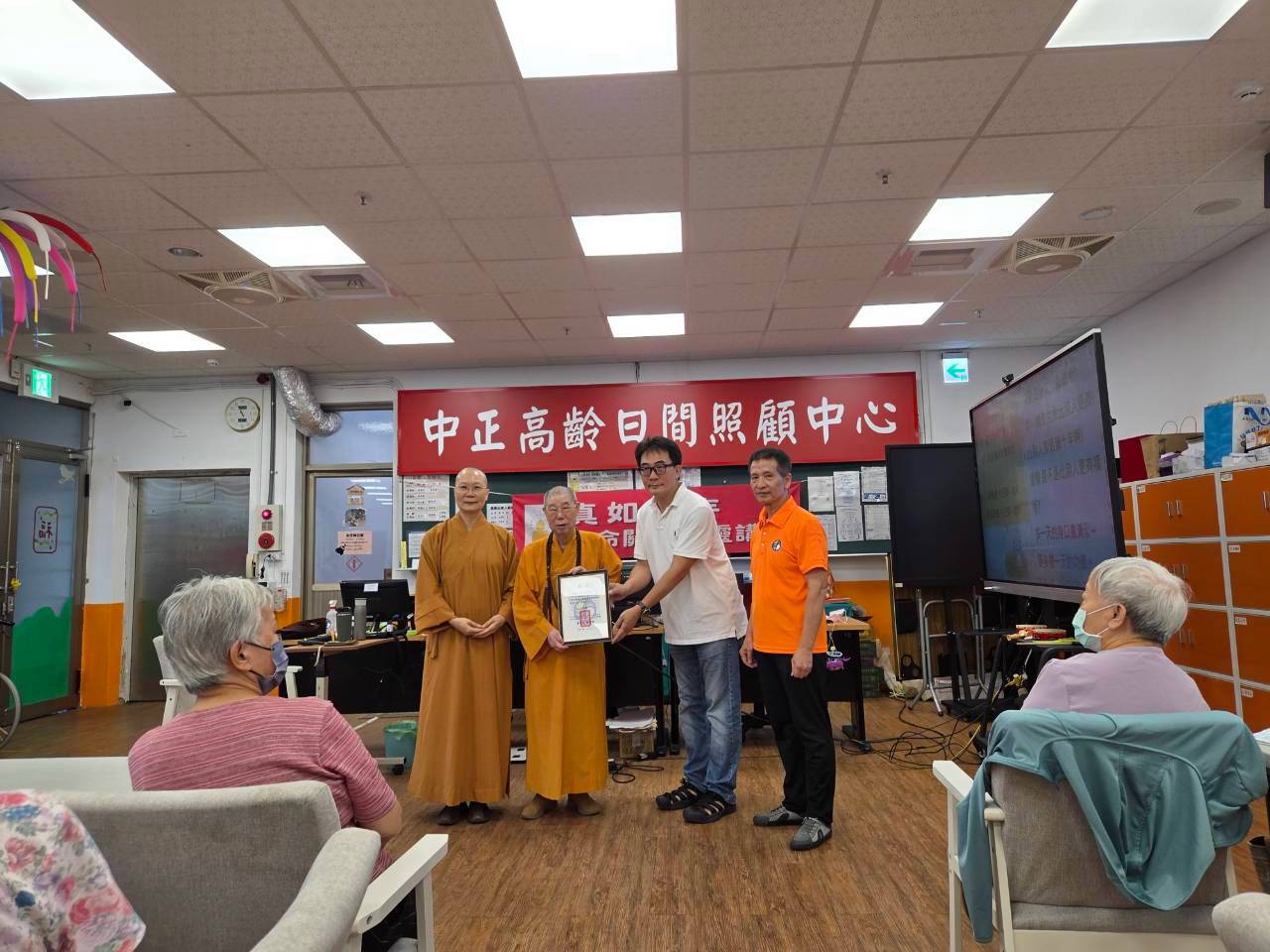
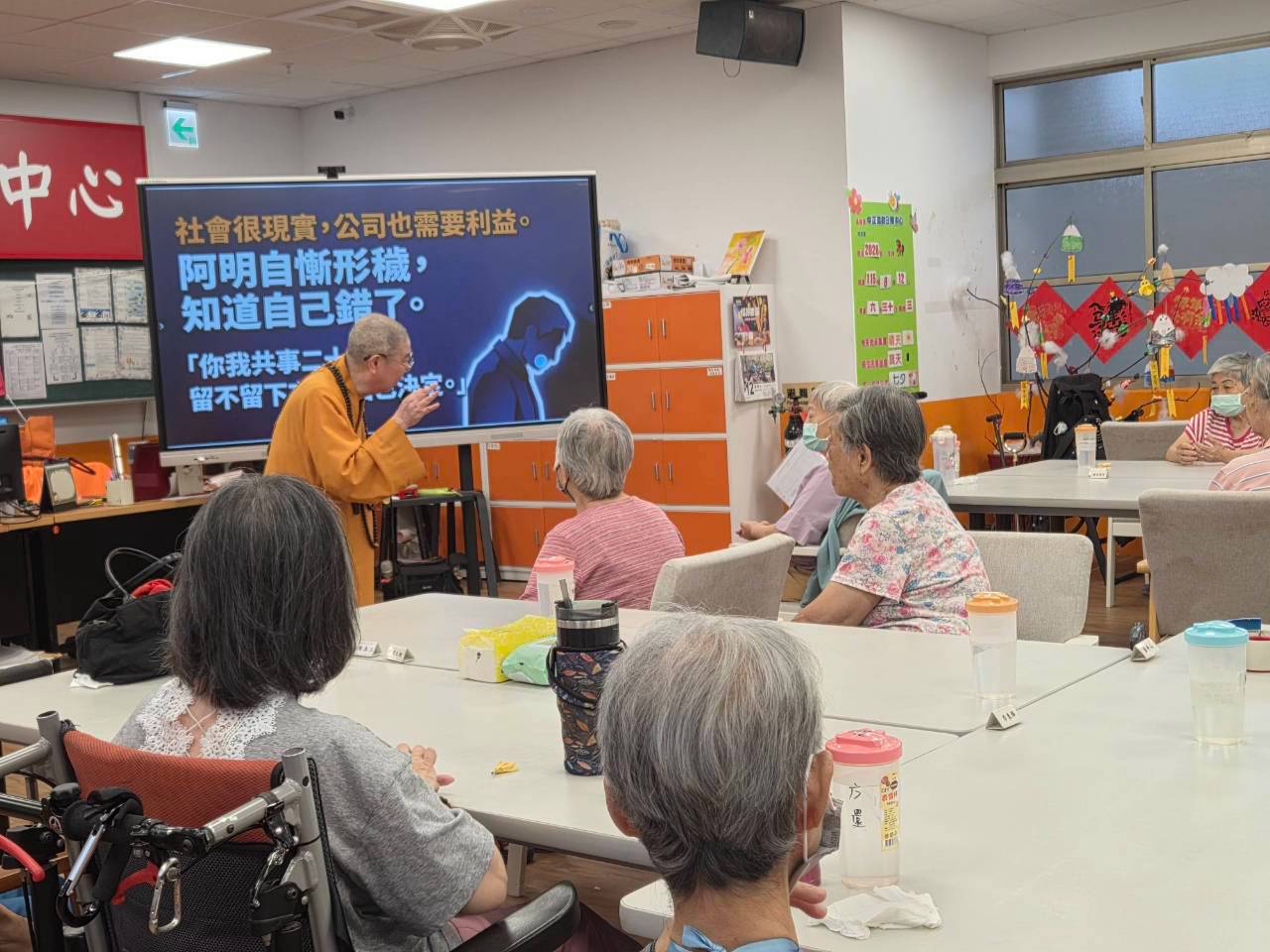
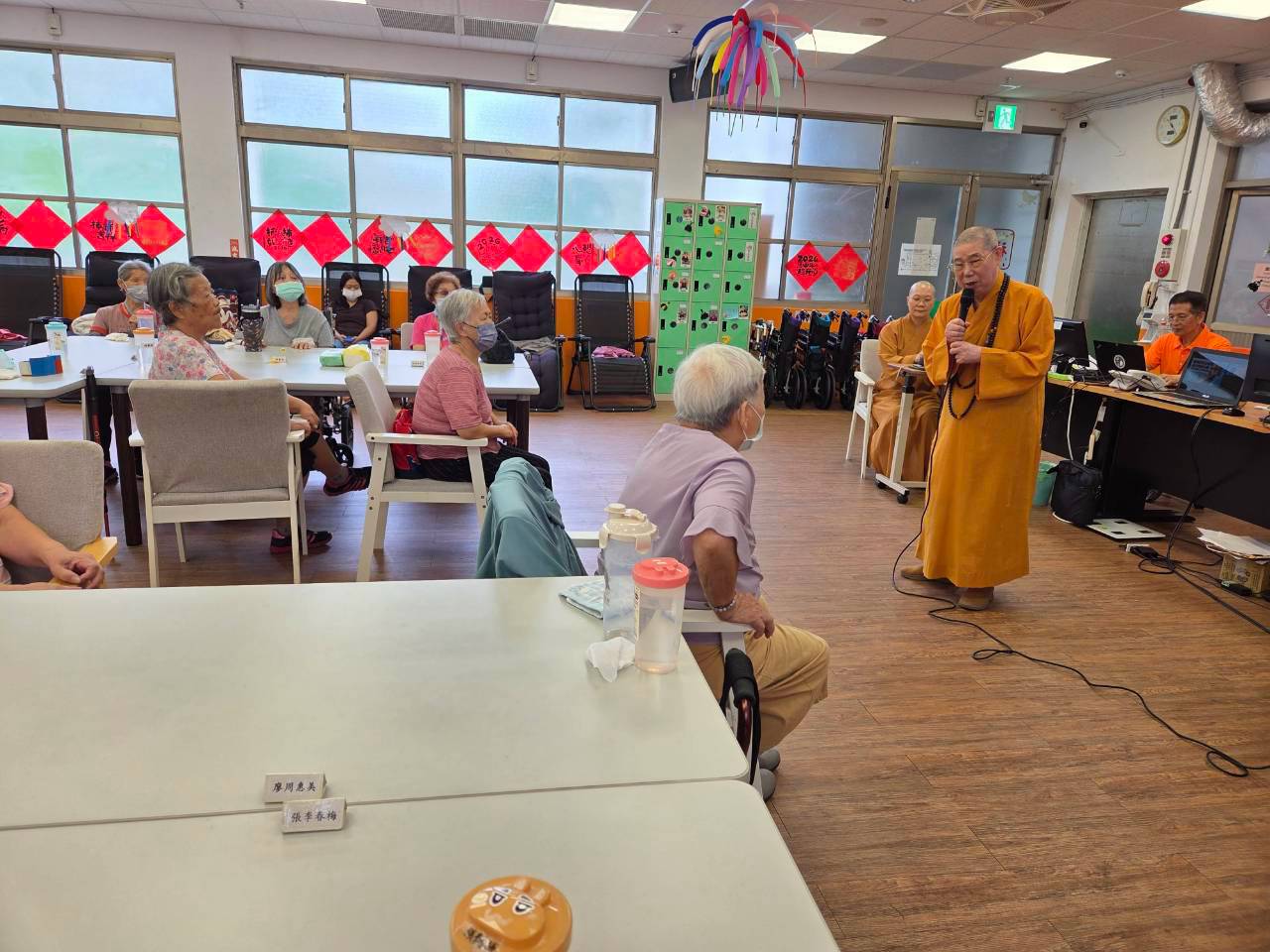
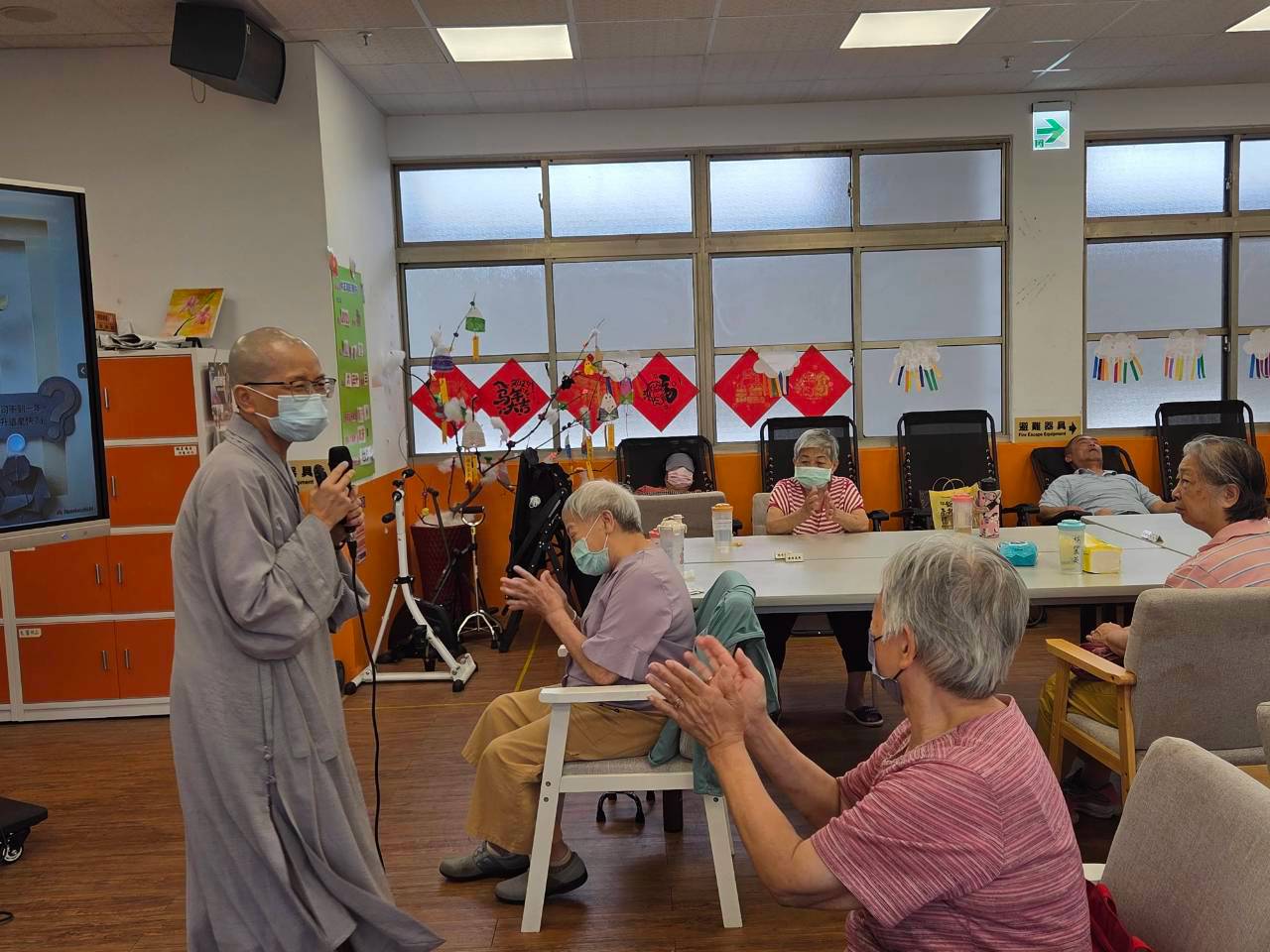
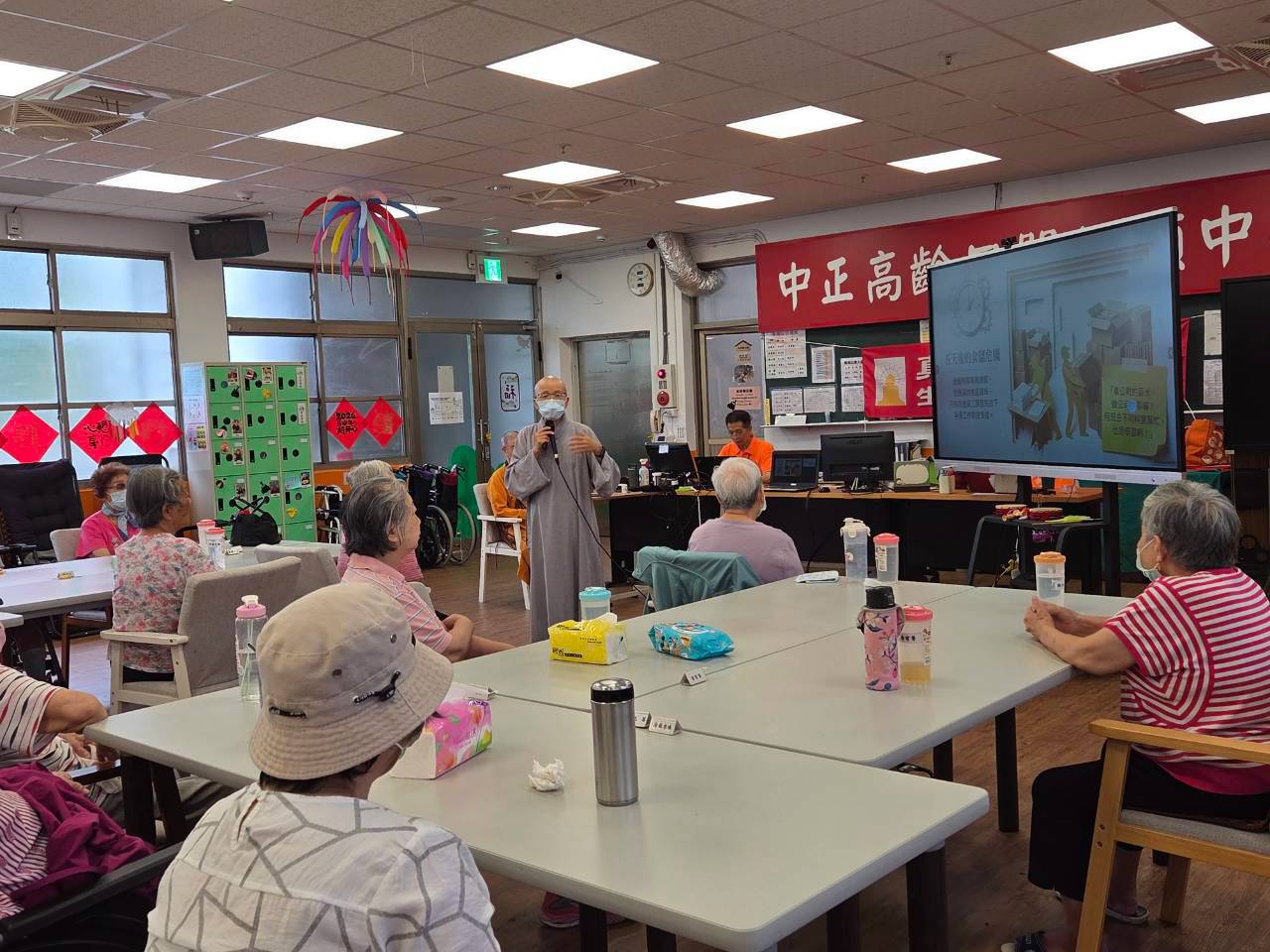
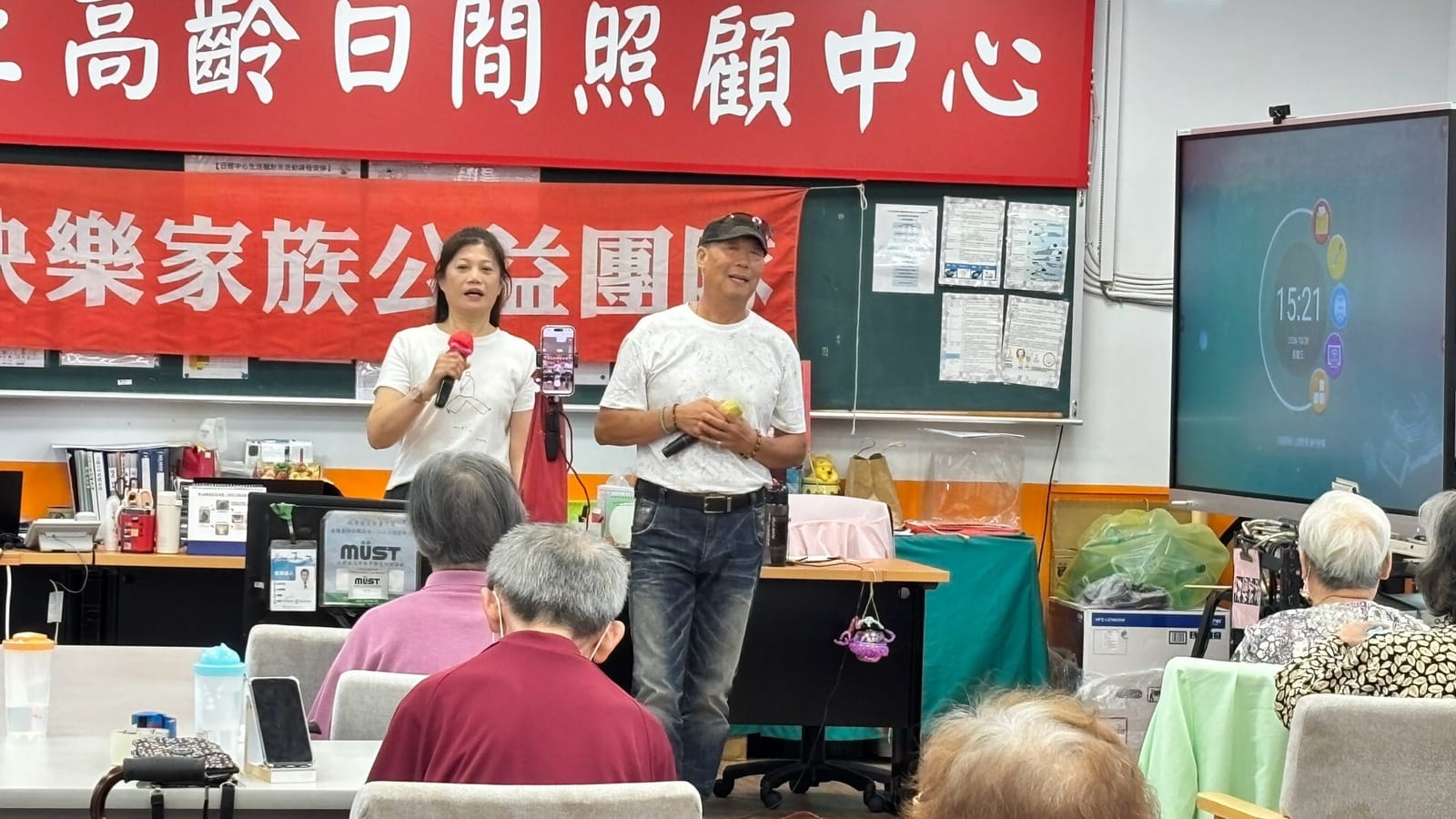
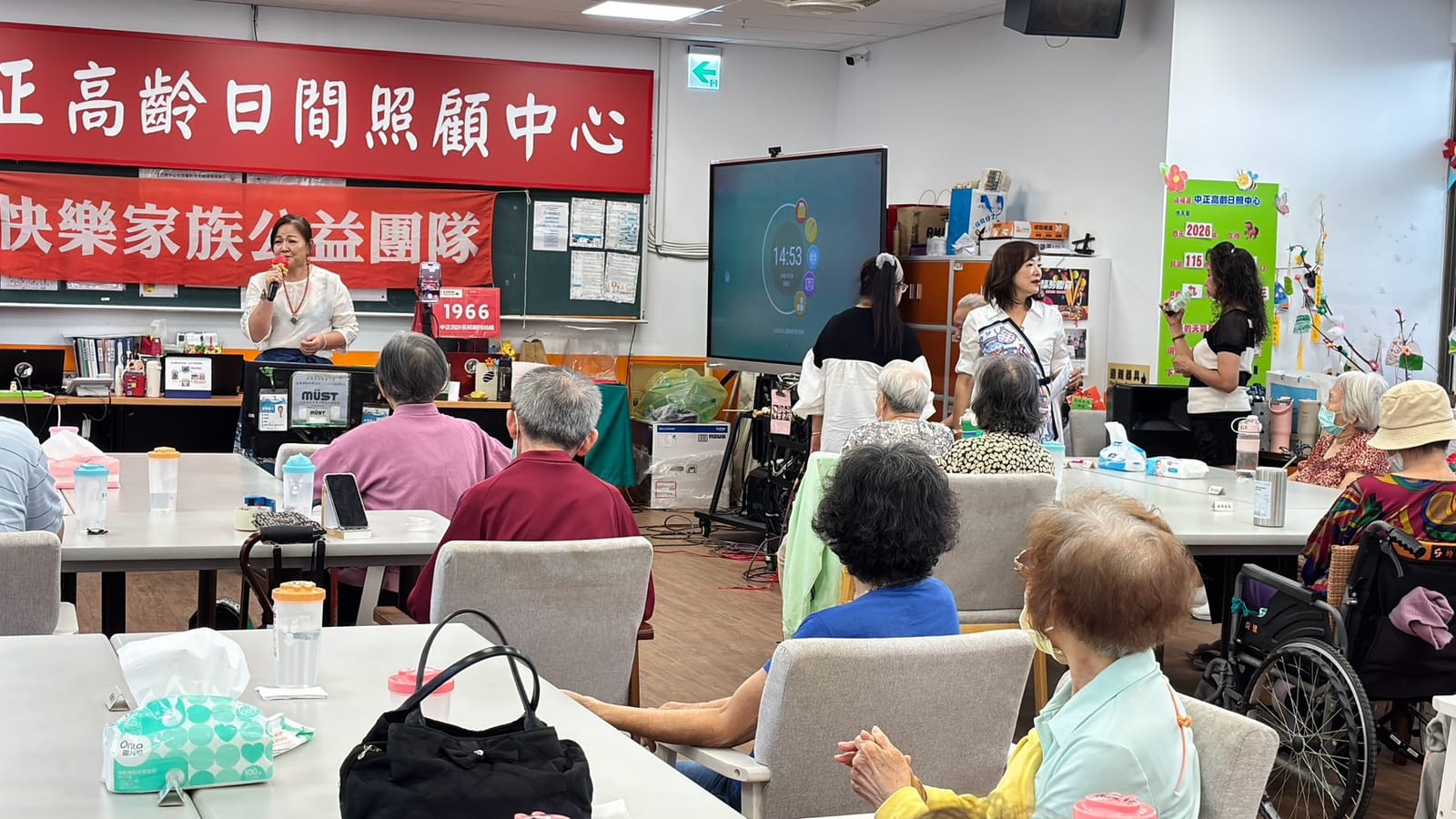
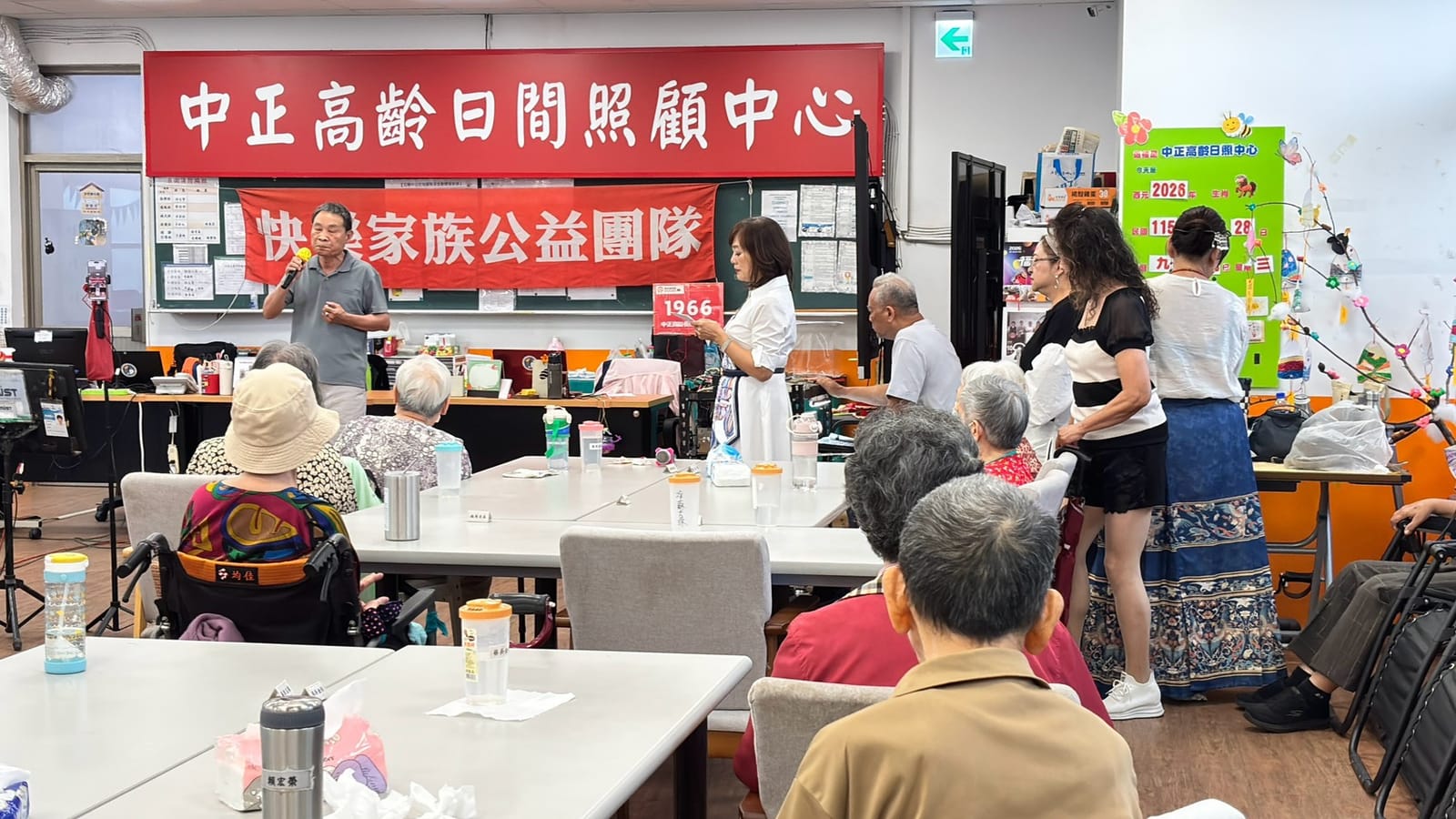
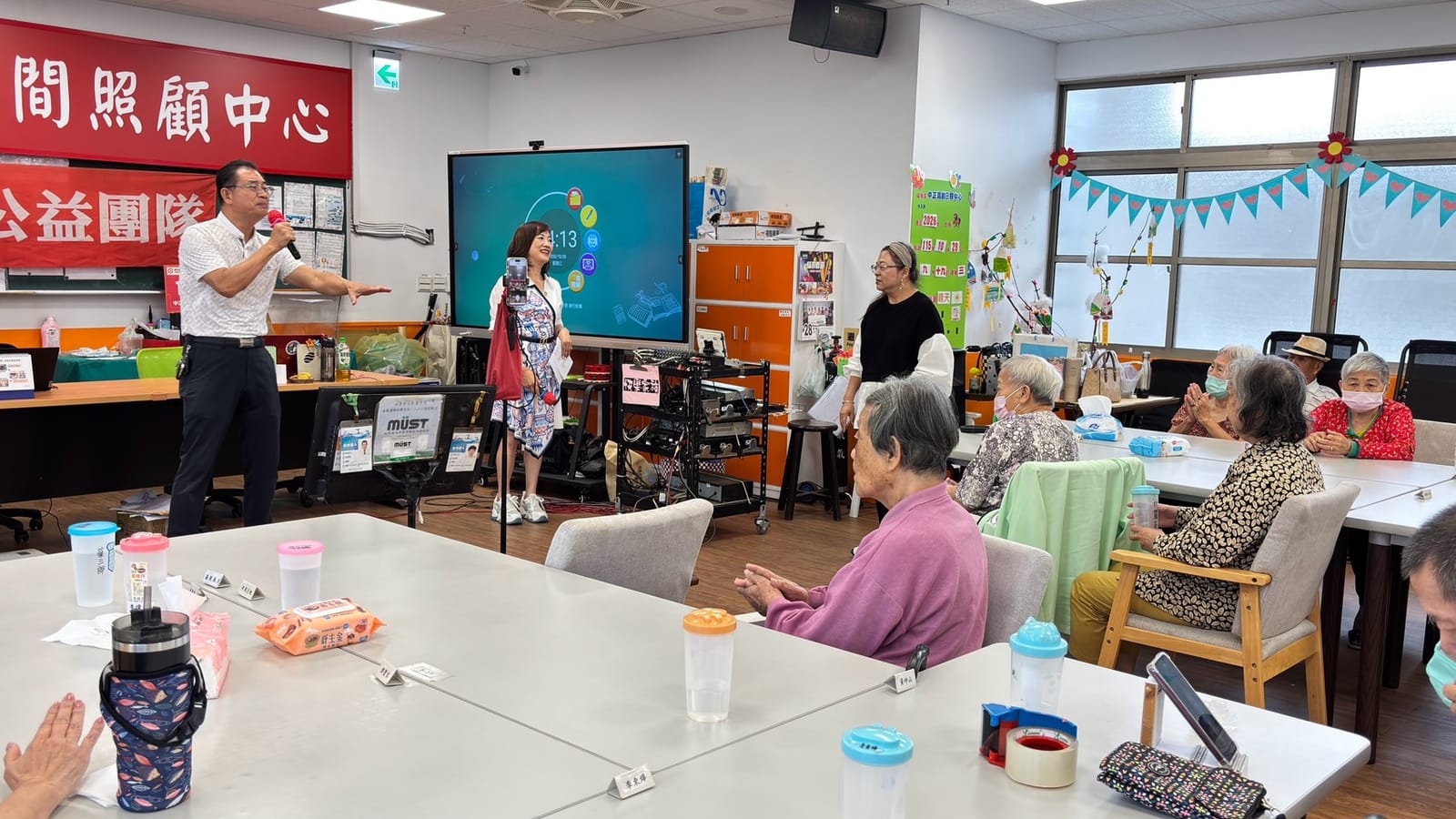
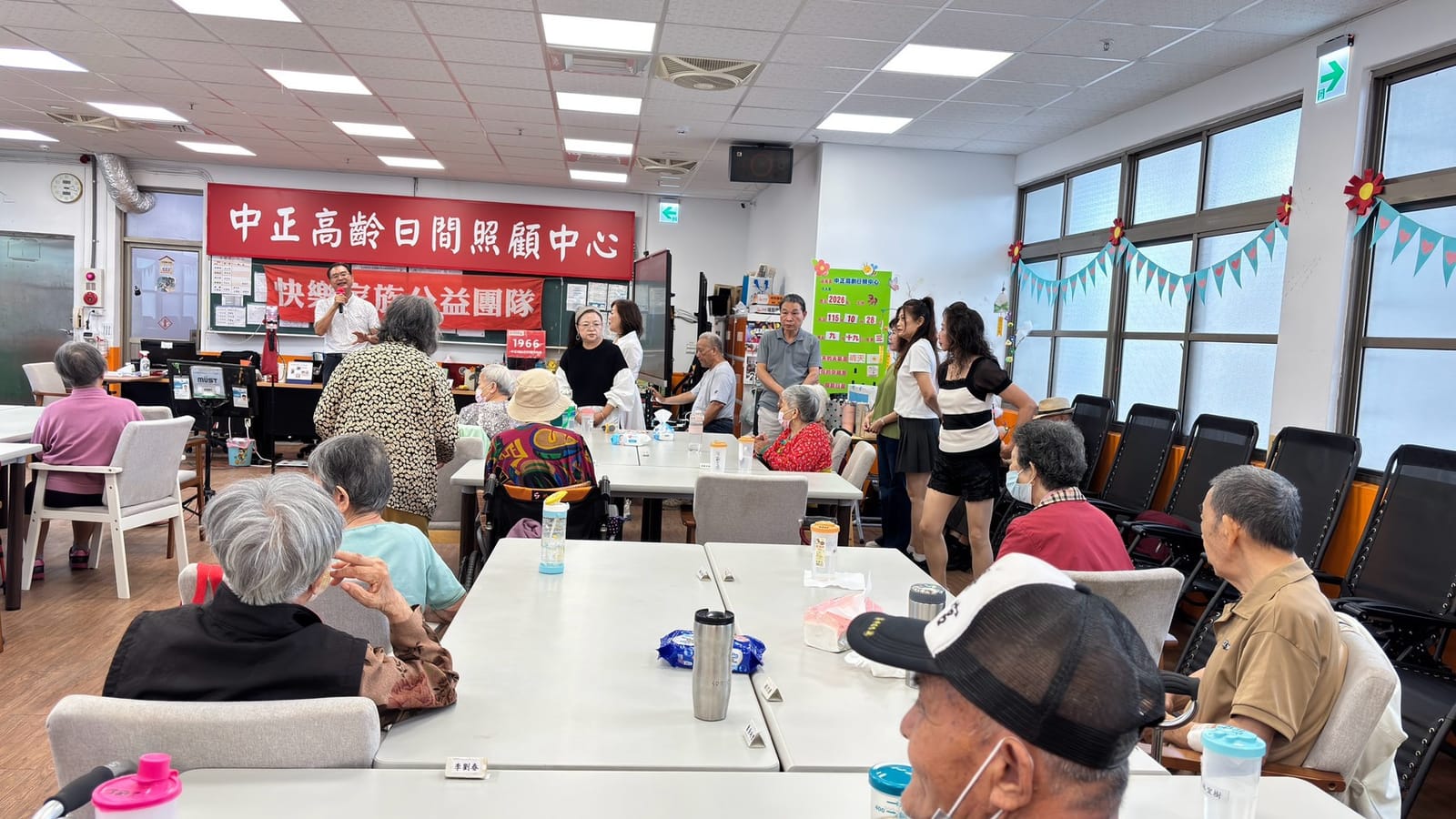
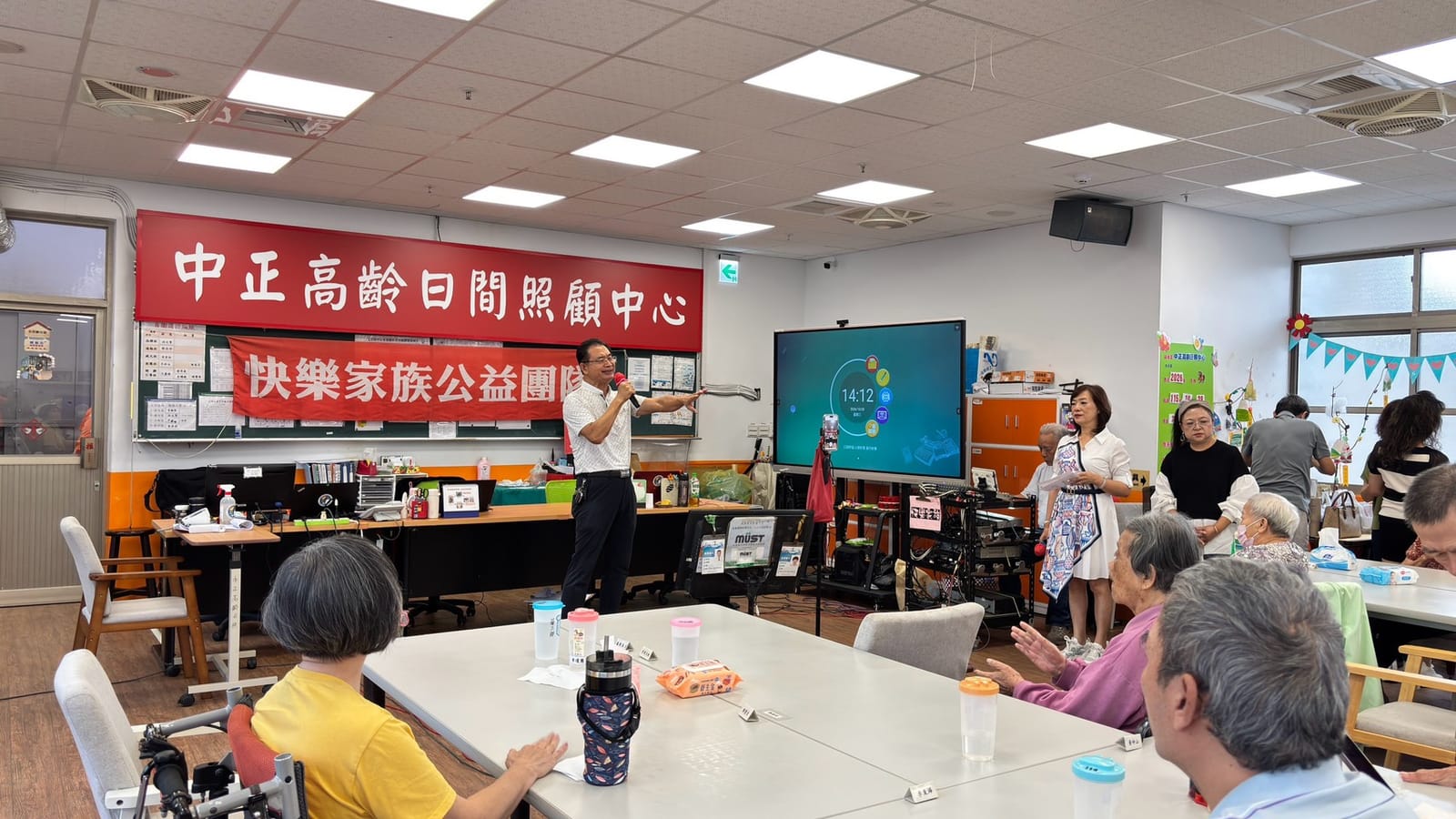
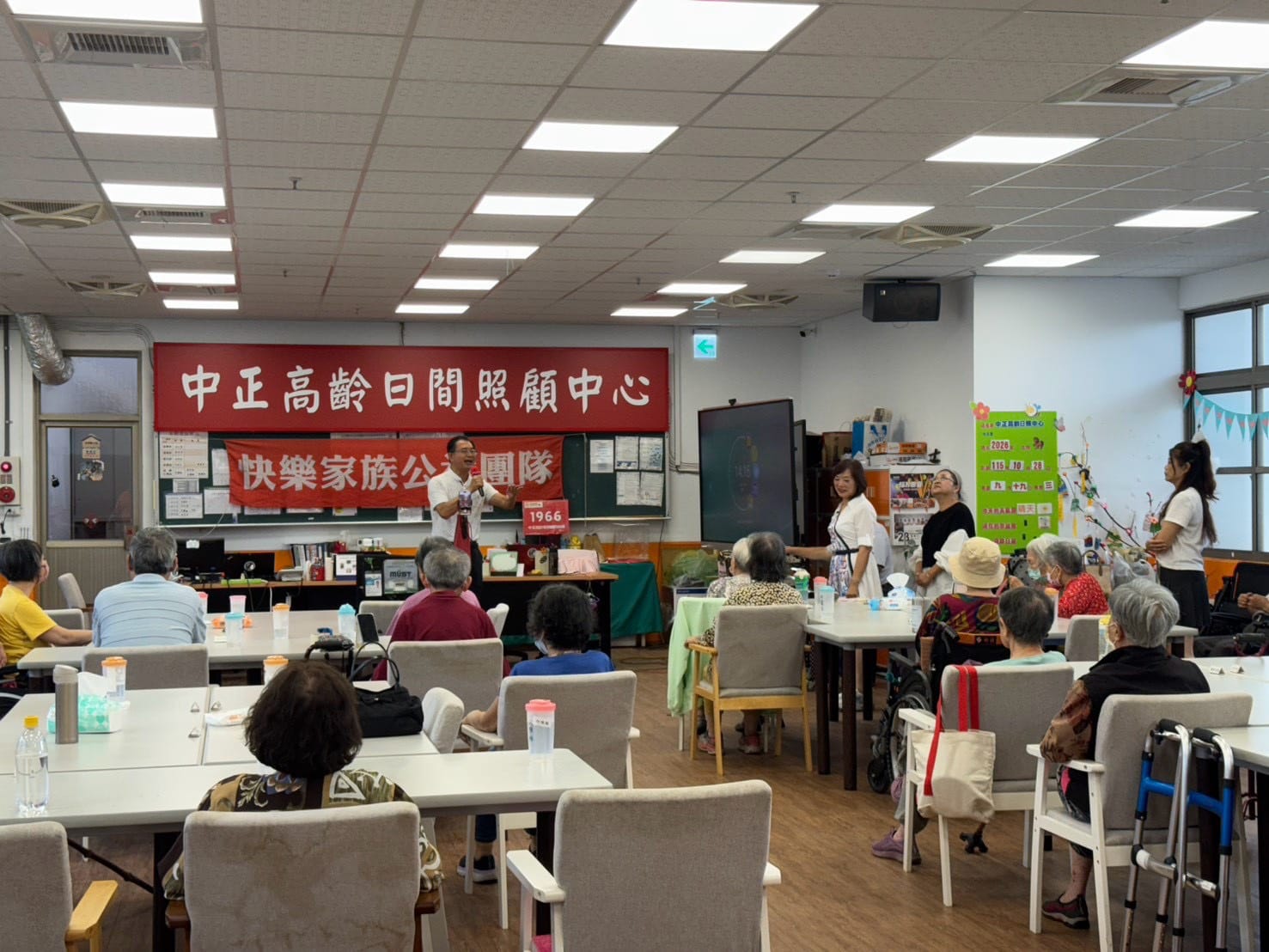
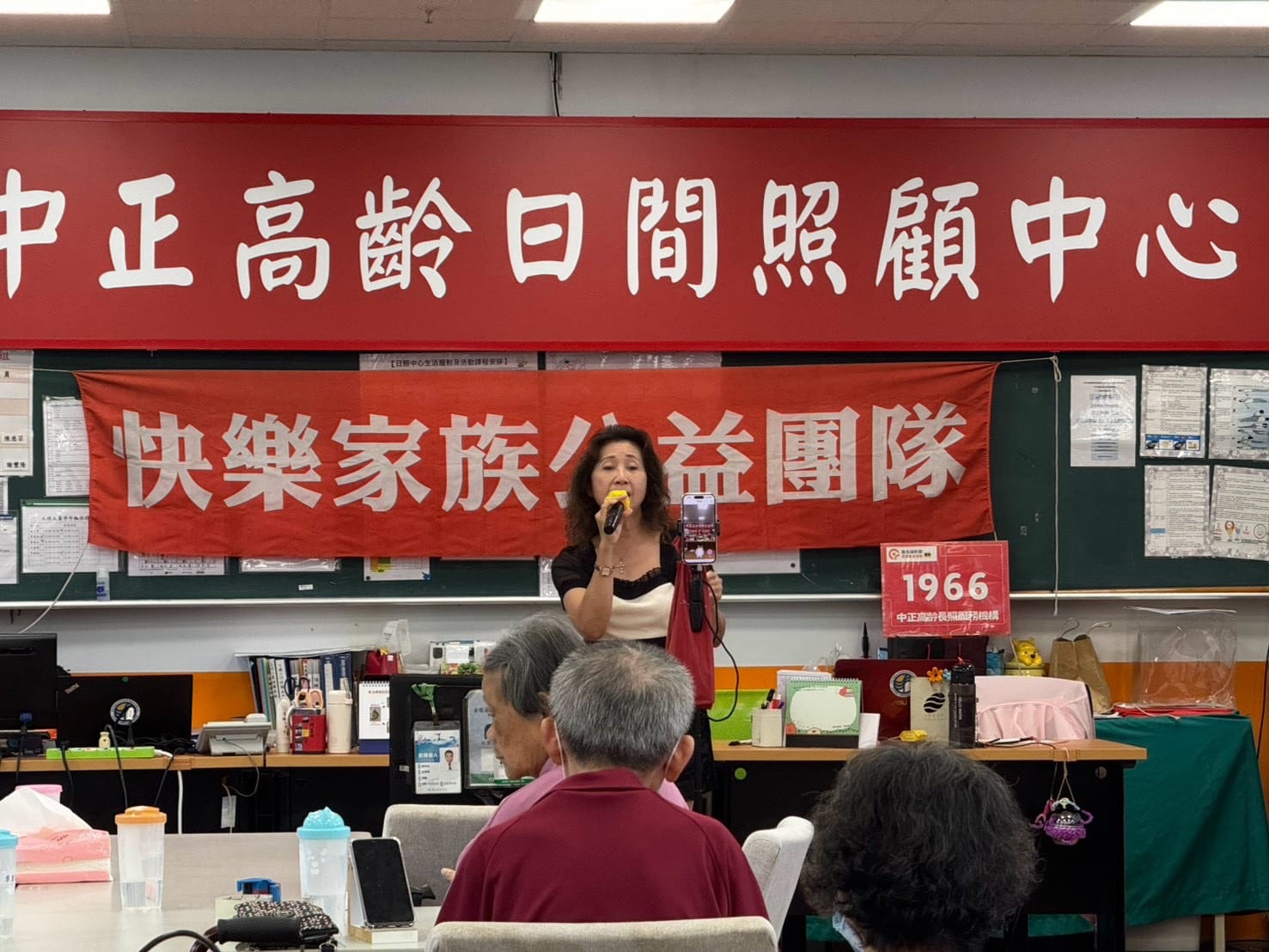
Our day care center offers a full range of services, mainly covering daily care, health management, and social and rehabilitation activities:
We serve balanced lunches and snacks, and help or supervise older adults with toileting, eating, dressing, and personal hygiene.
Our professional staff check vital signs such as blood pressure and blood sugar every day, and provide medication supervision, wound care, and health advice.
Our own shuttle buses take older adults to and from the center safely at set times every day.
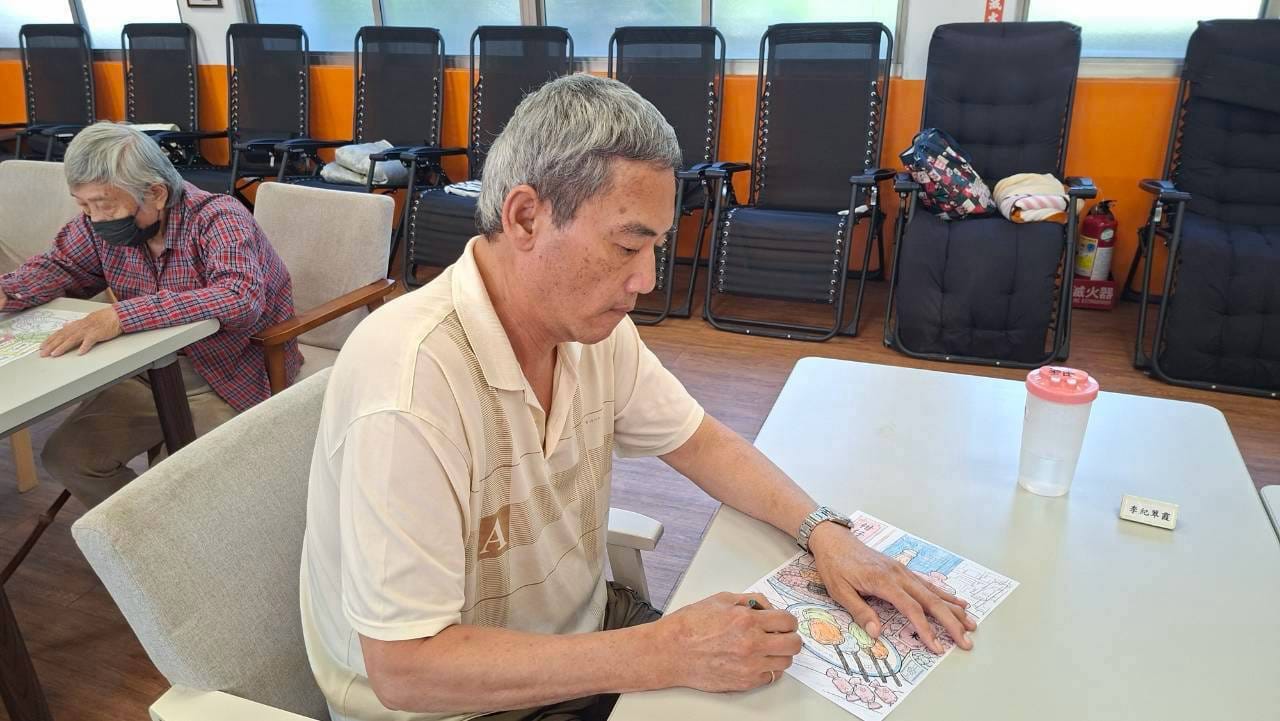
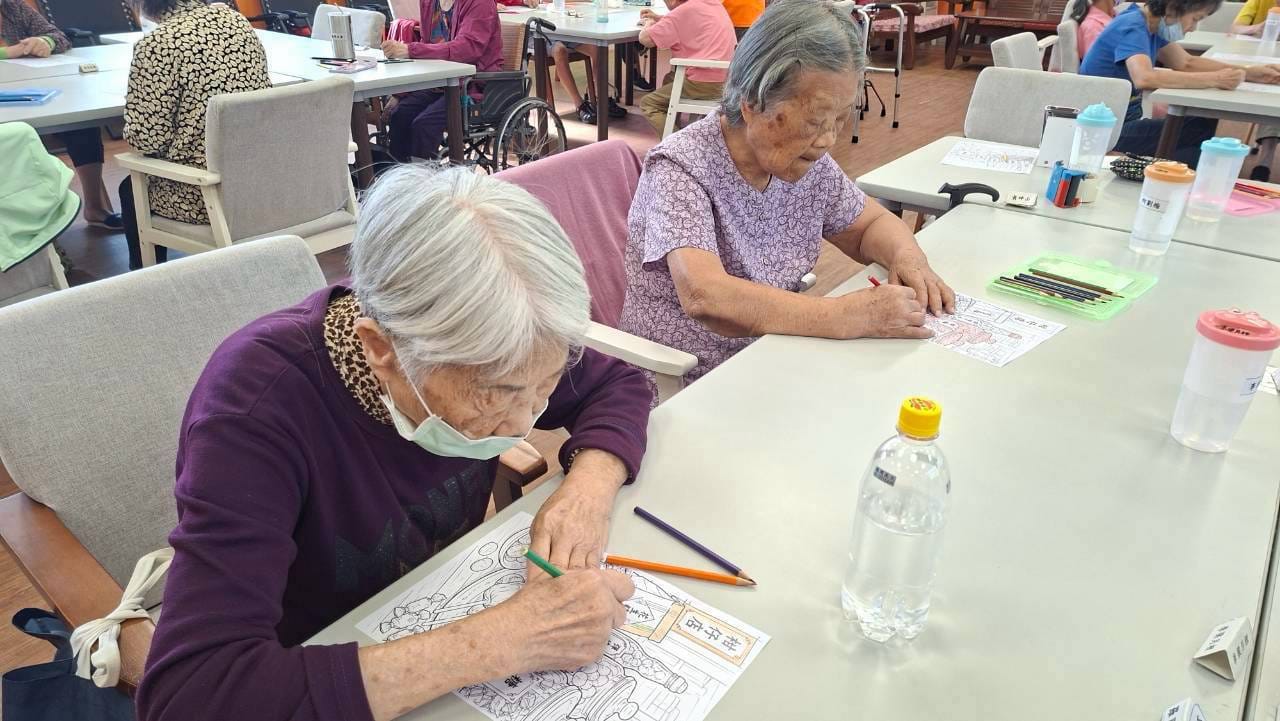
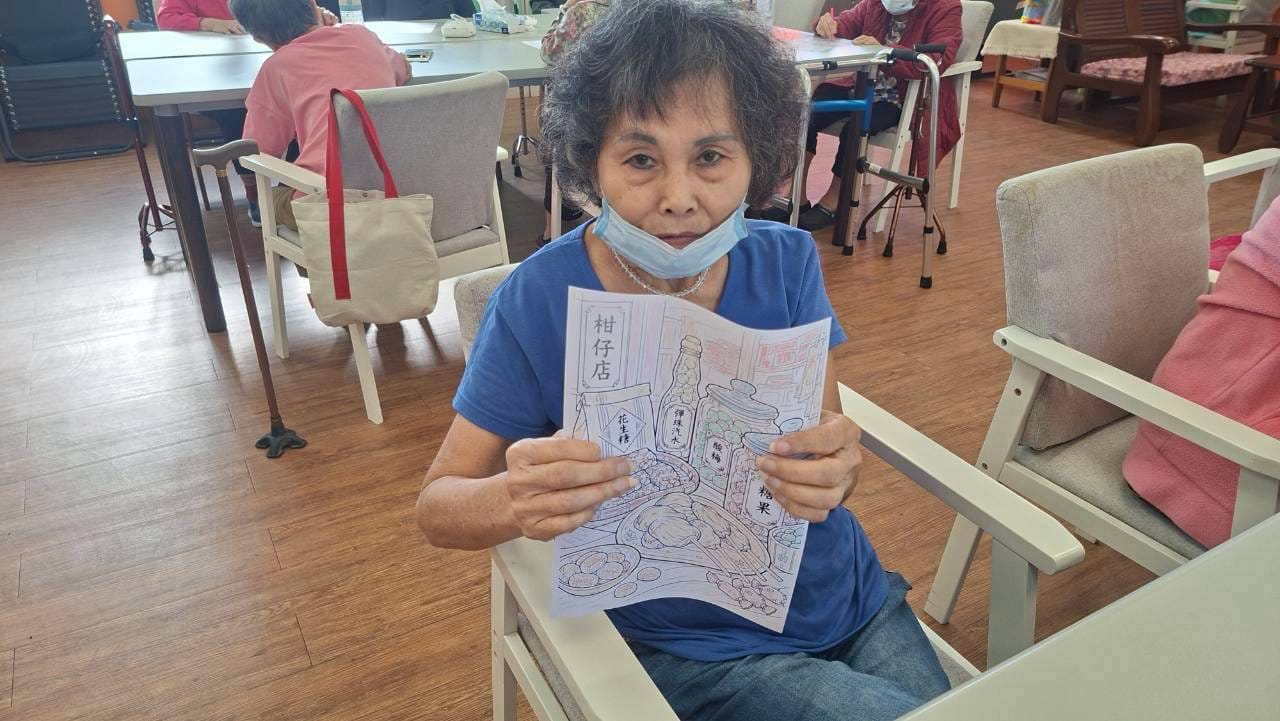
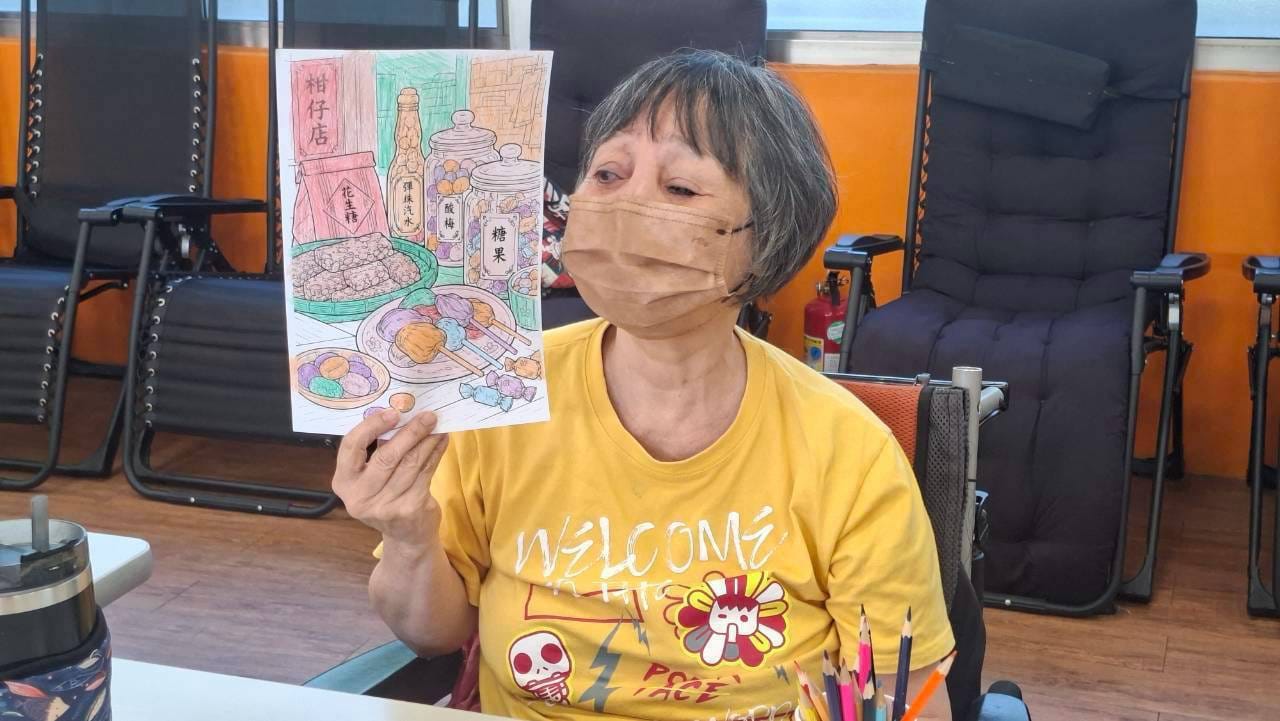
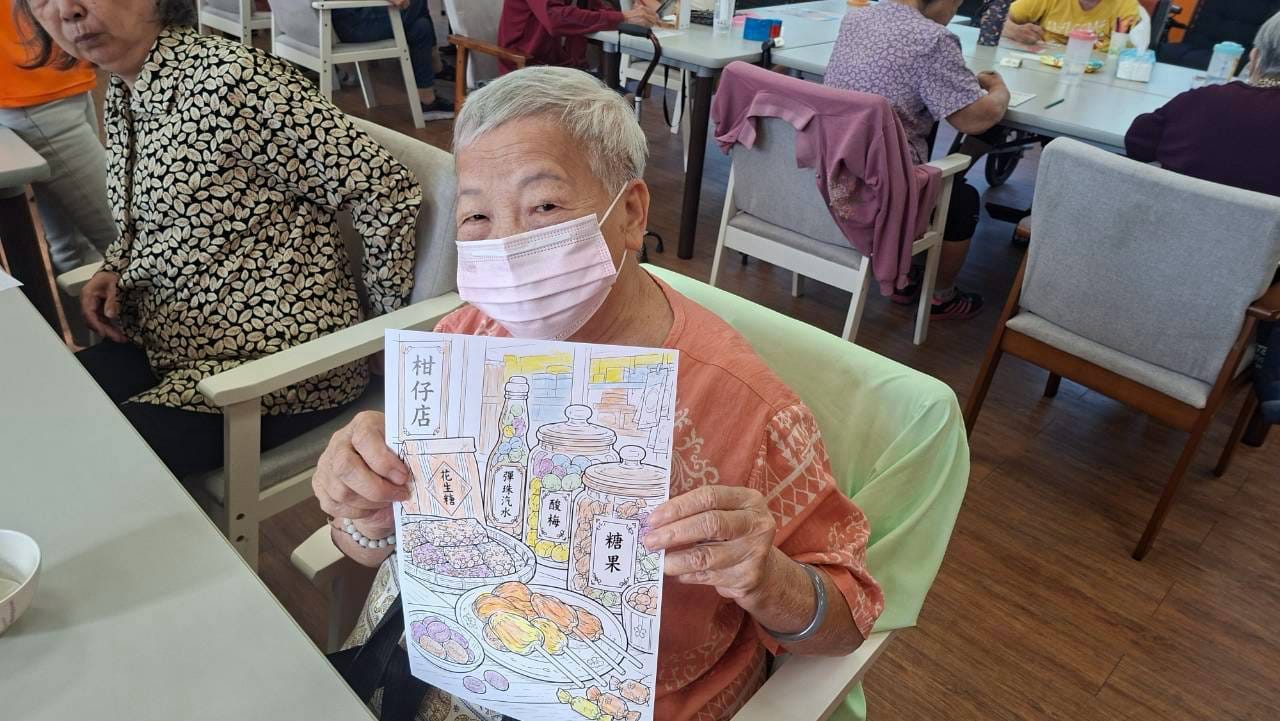
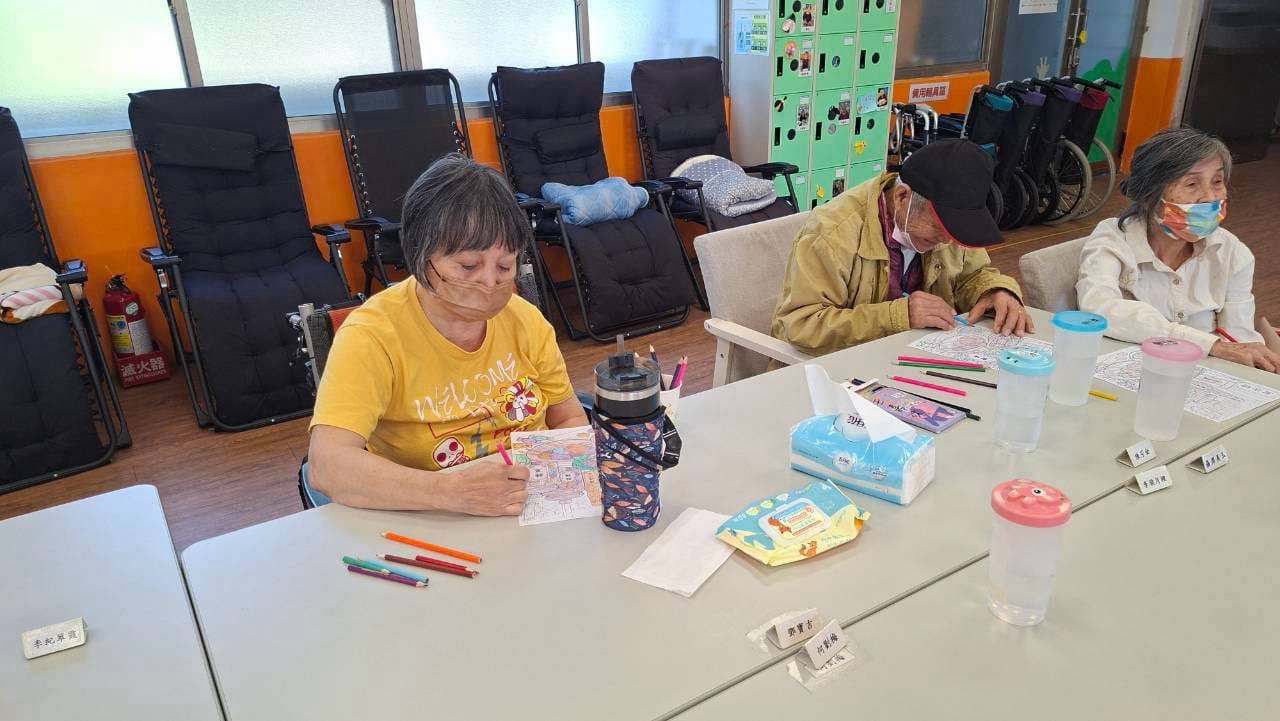
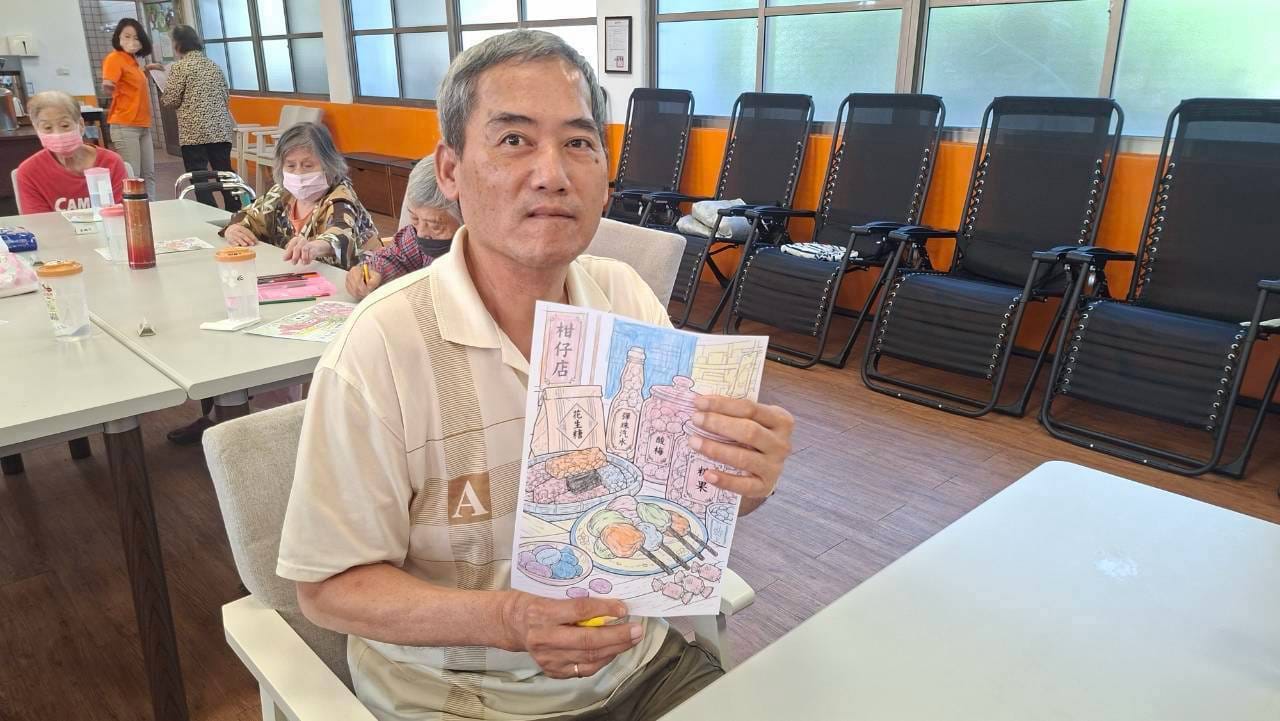
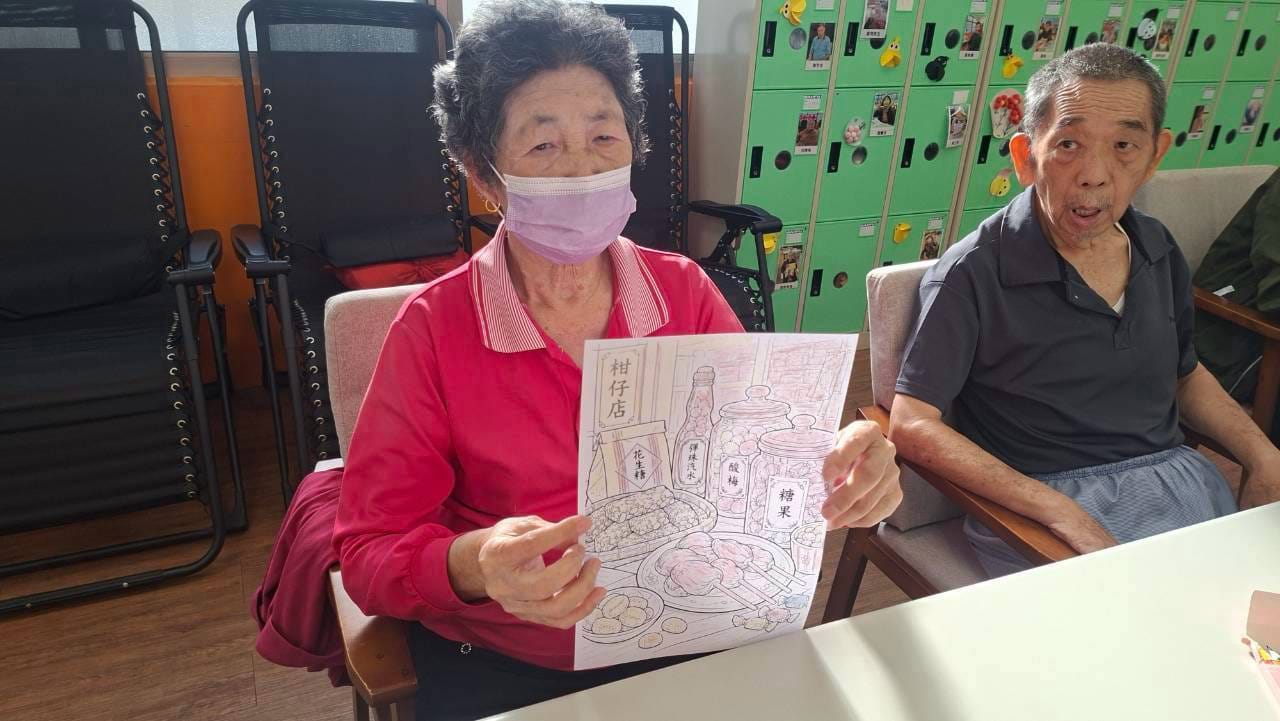
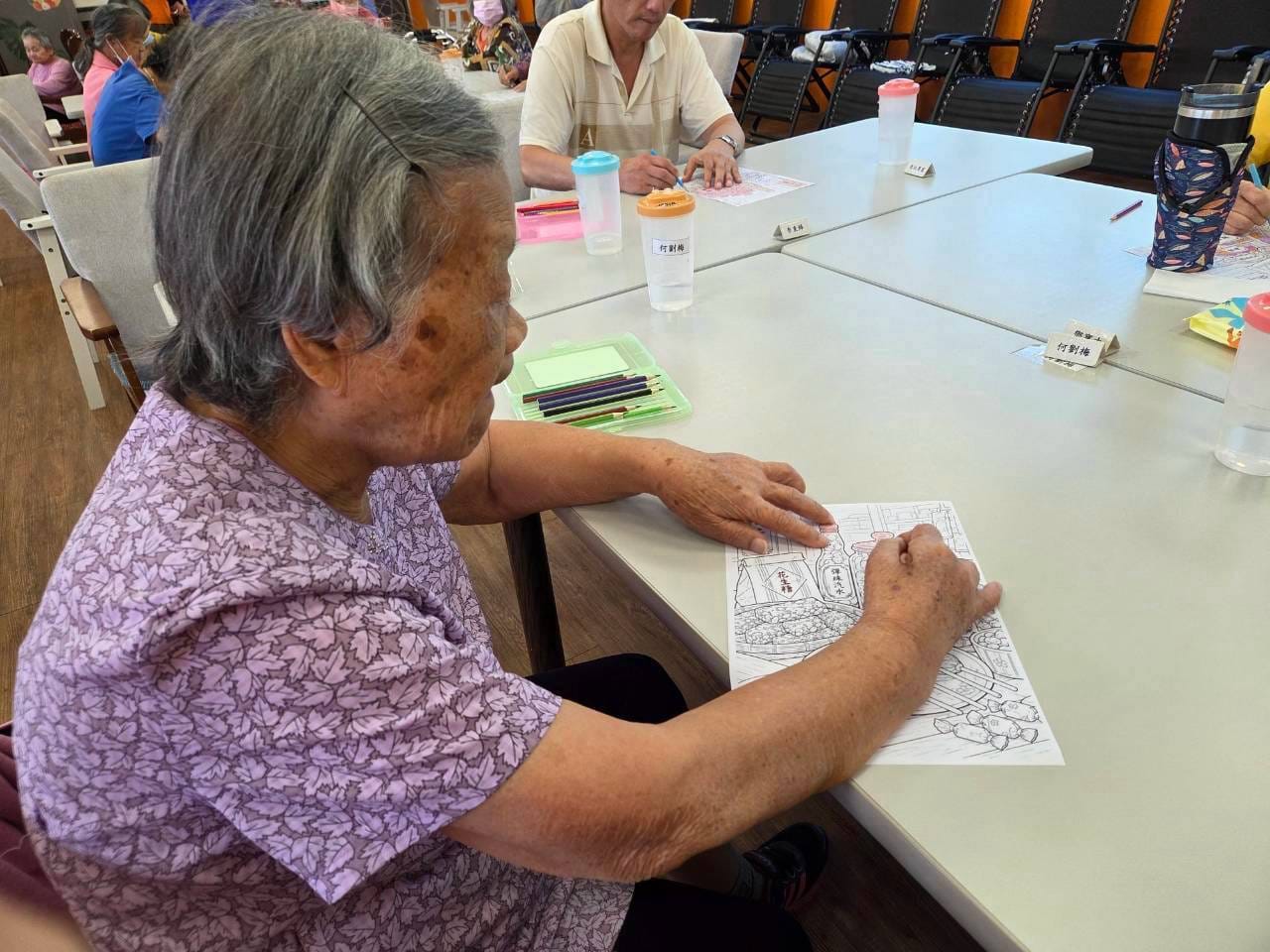
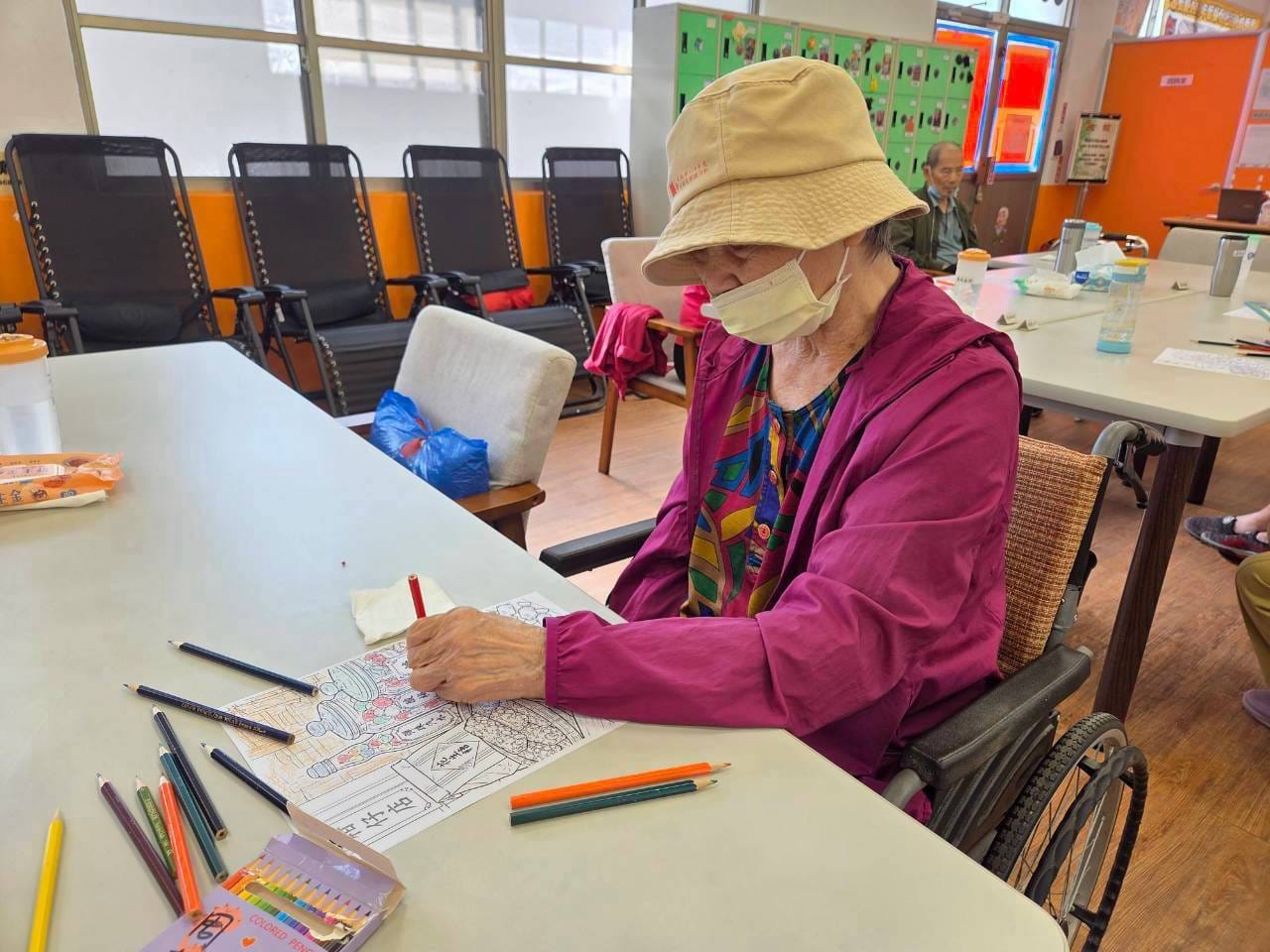
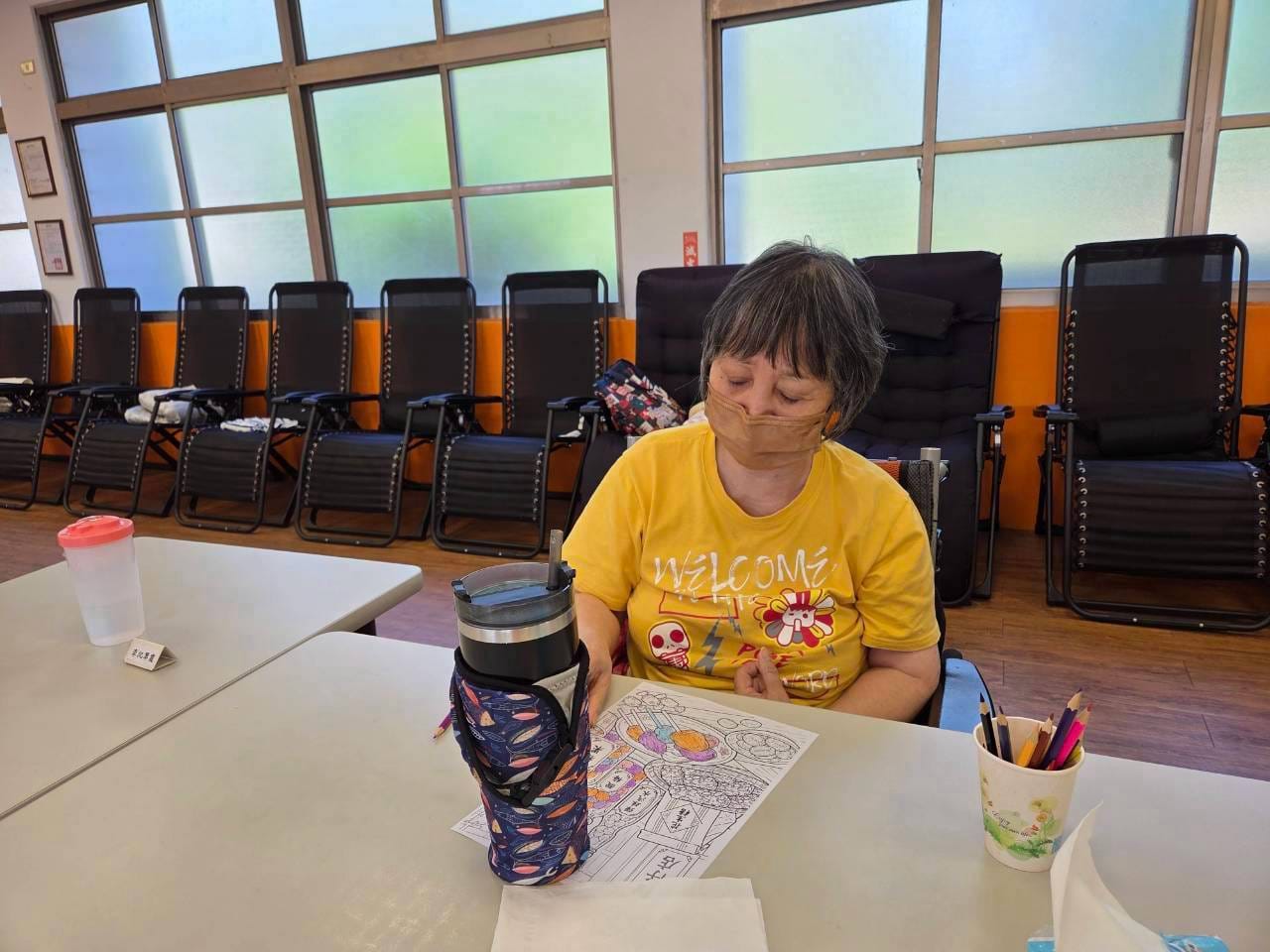
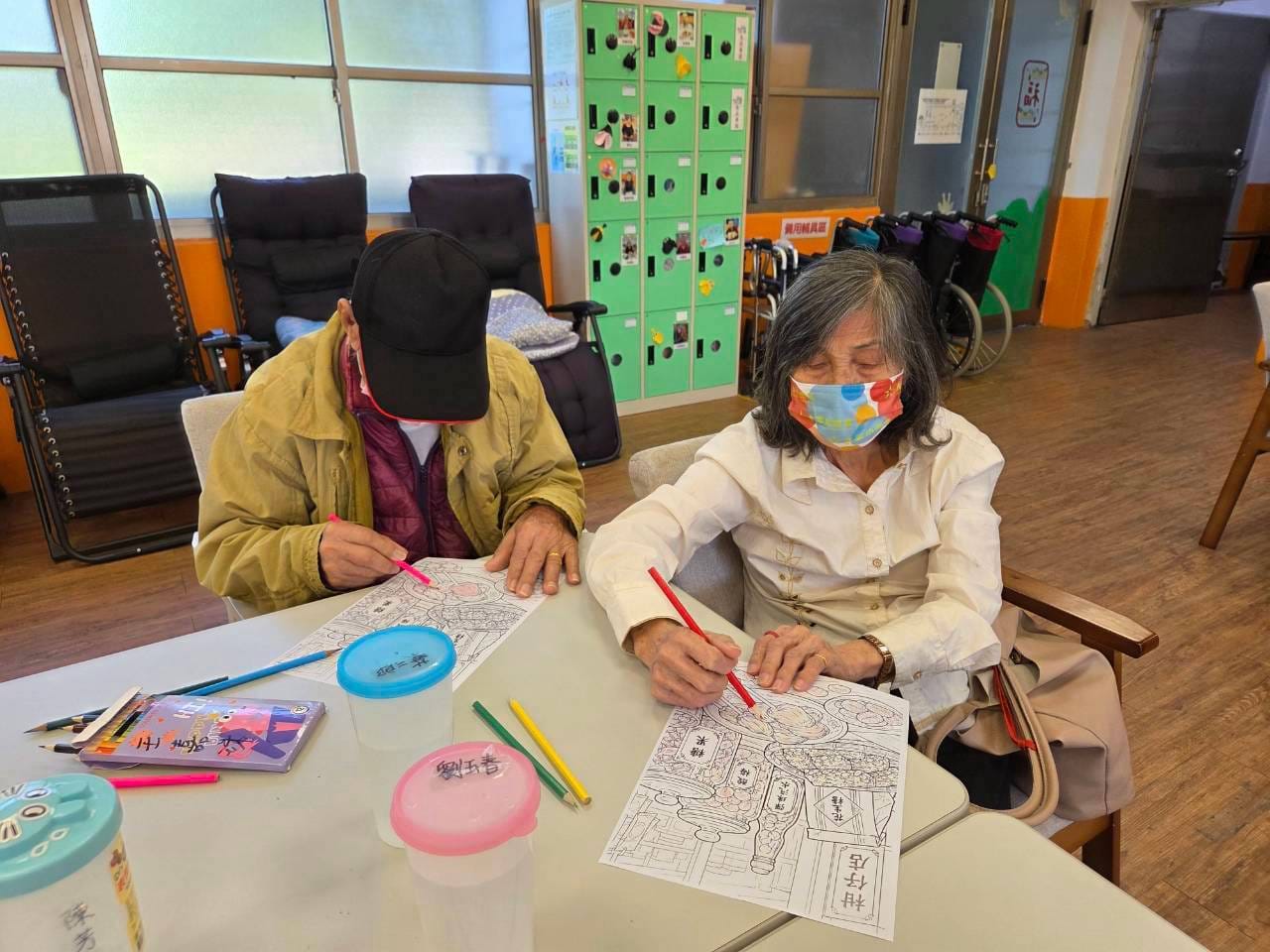
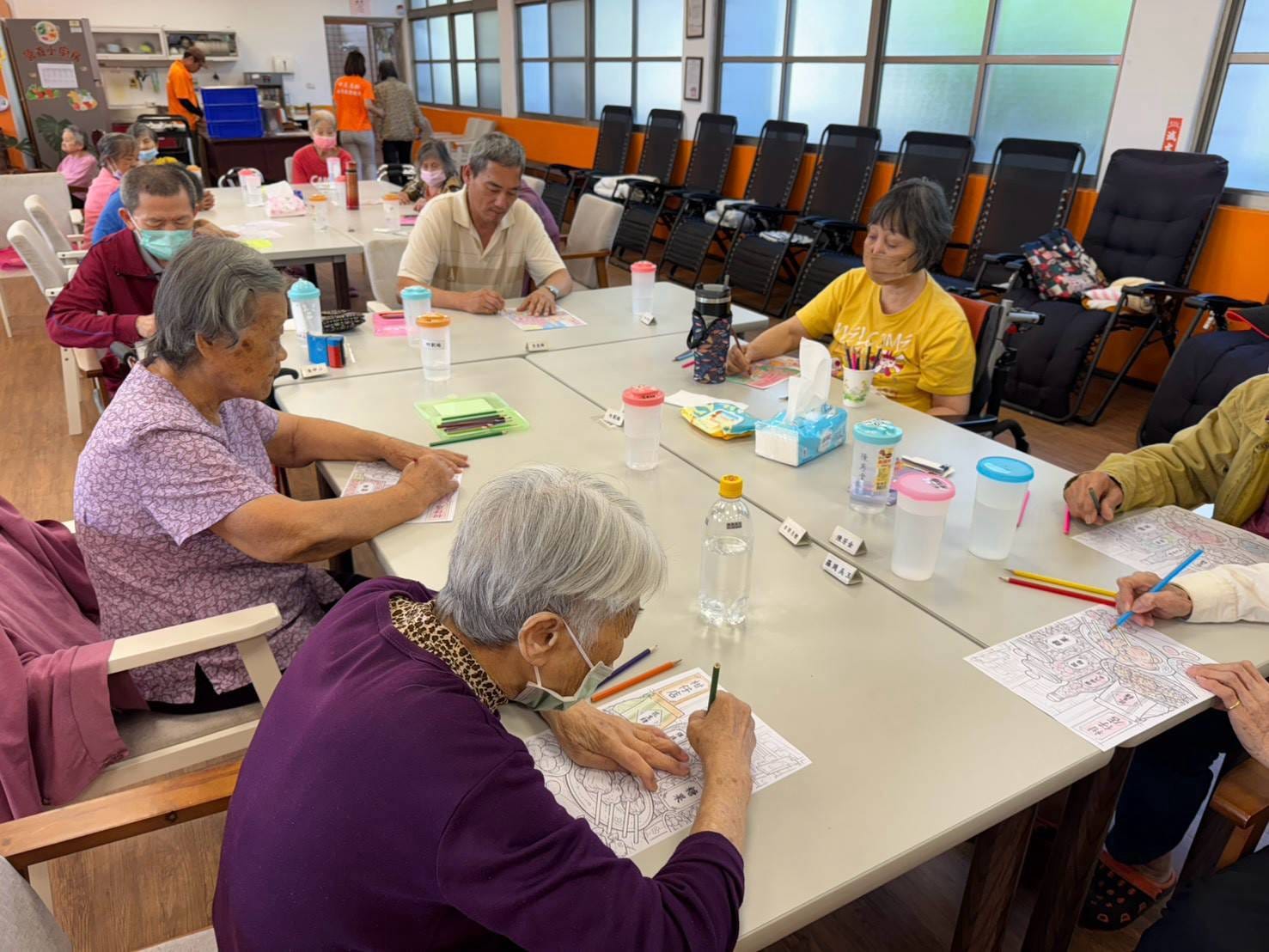
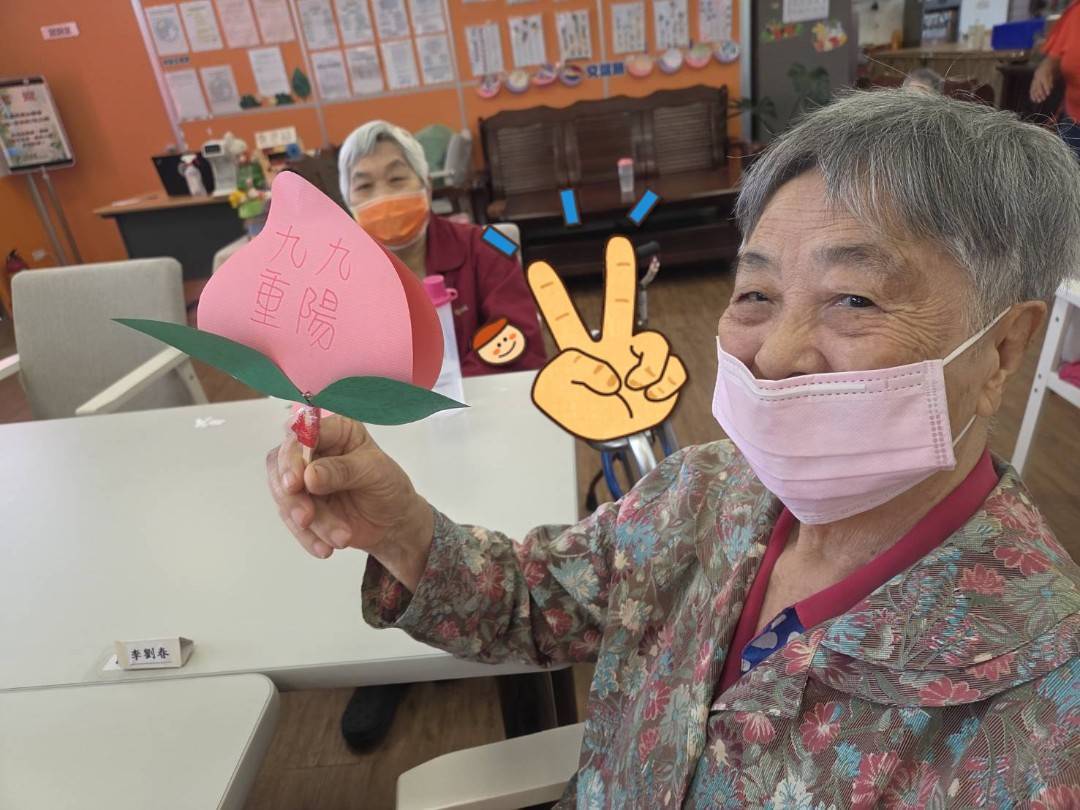
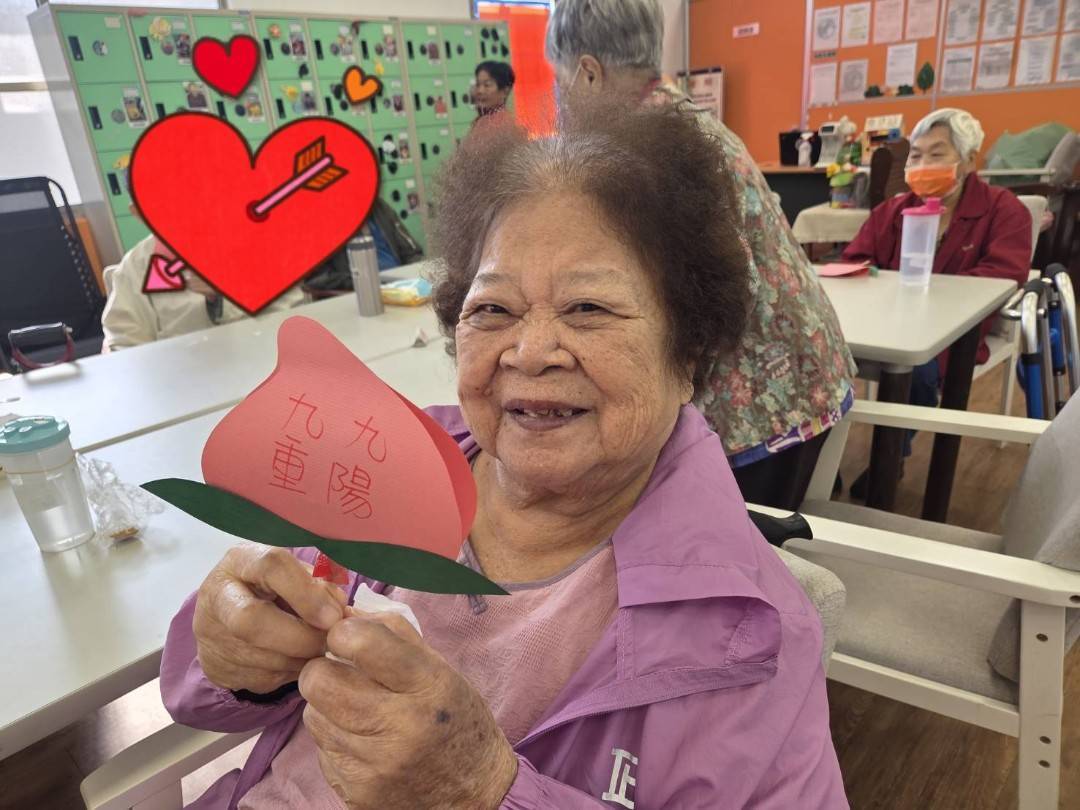
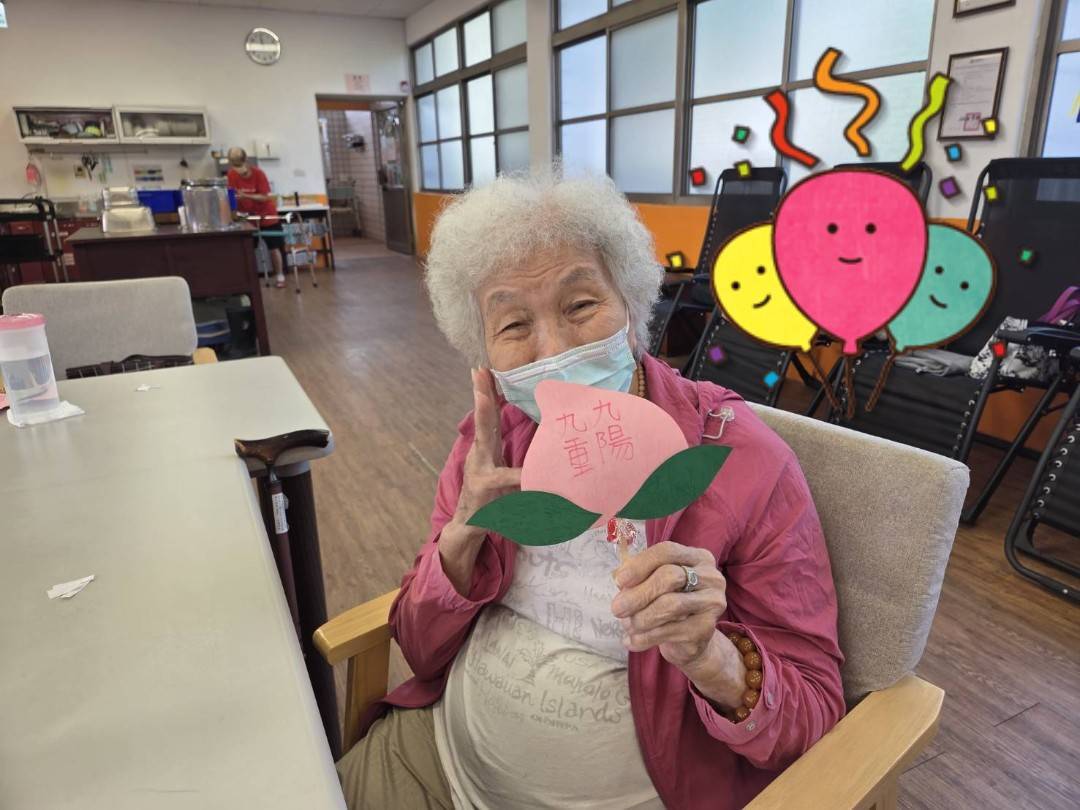
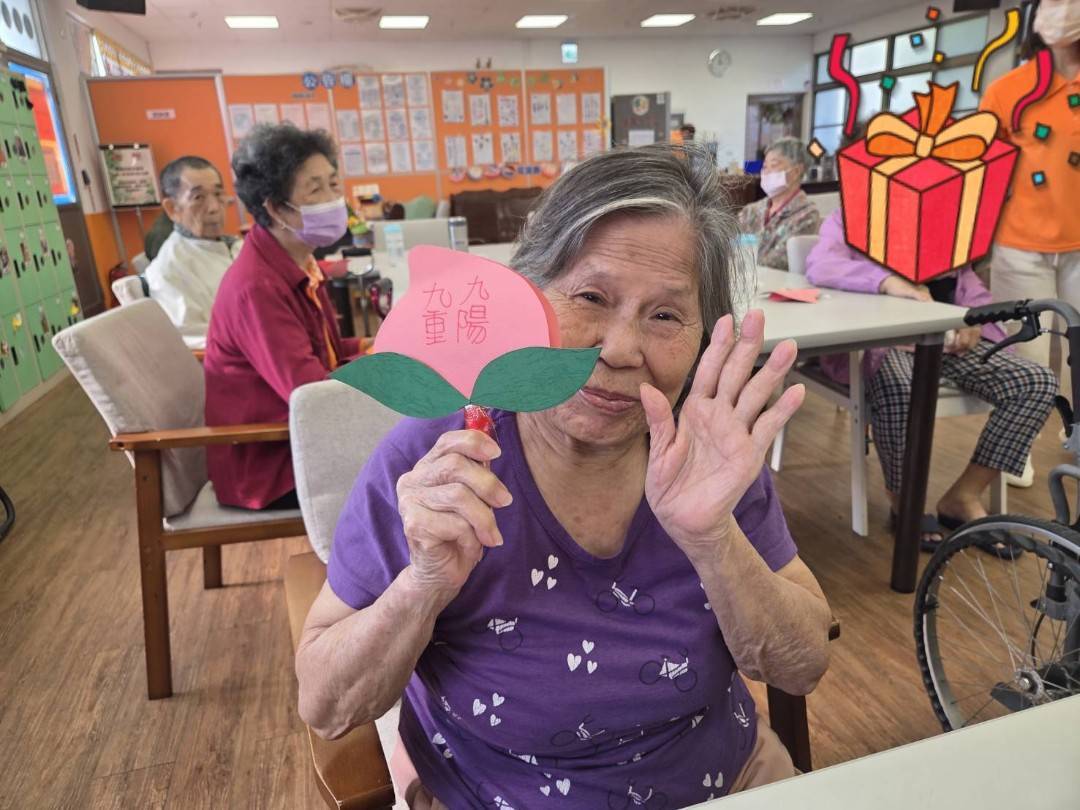
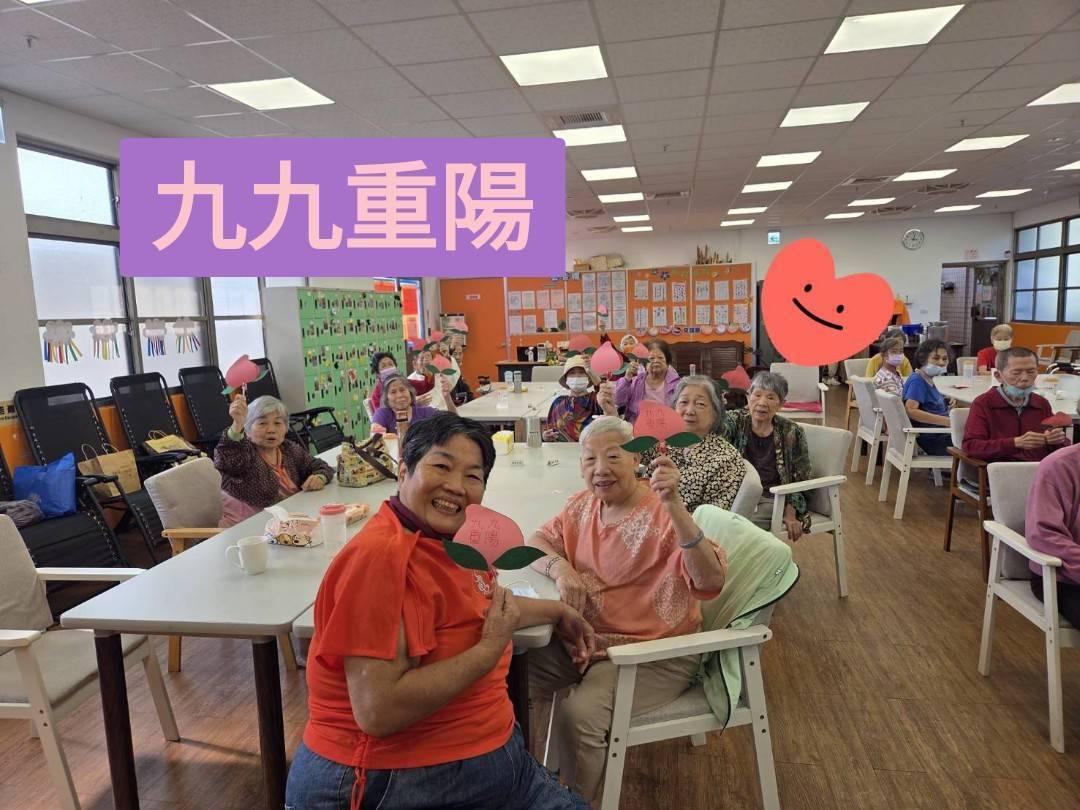
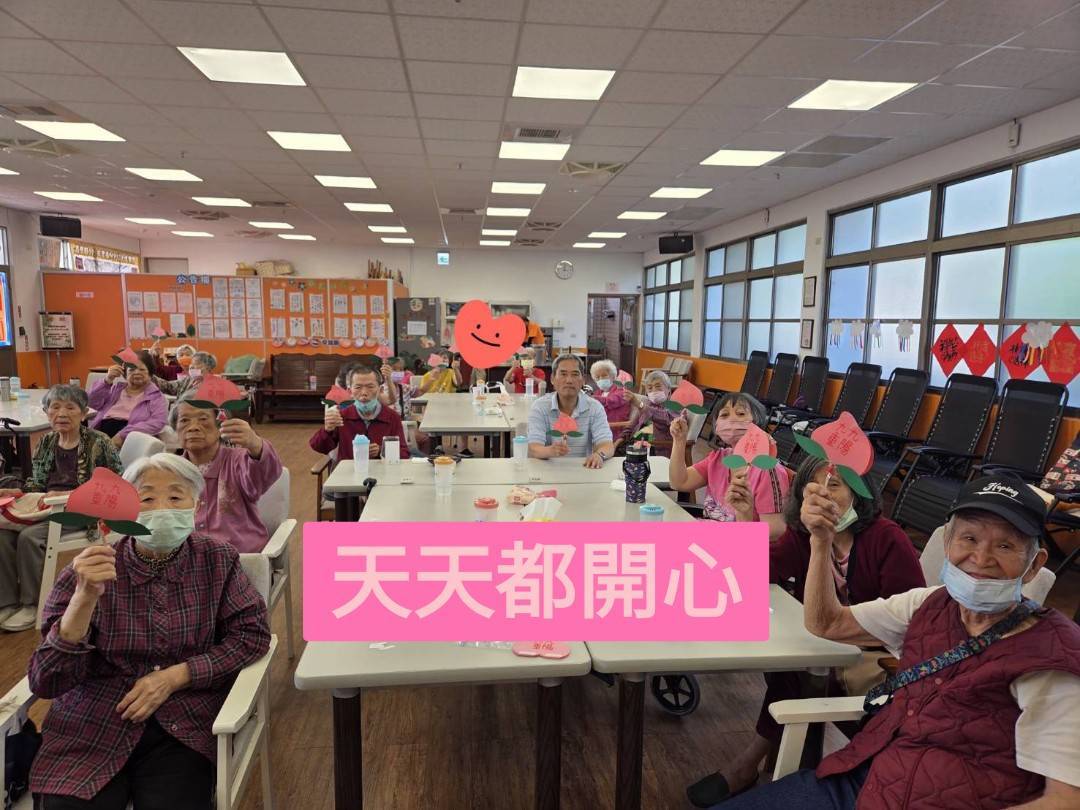
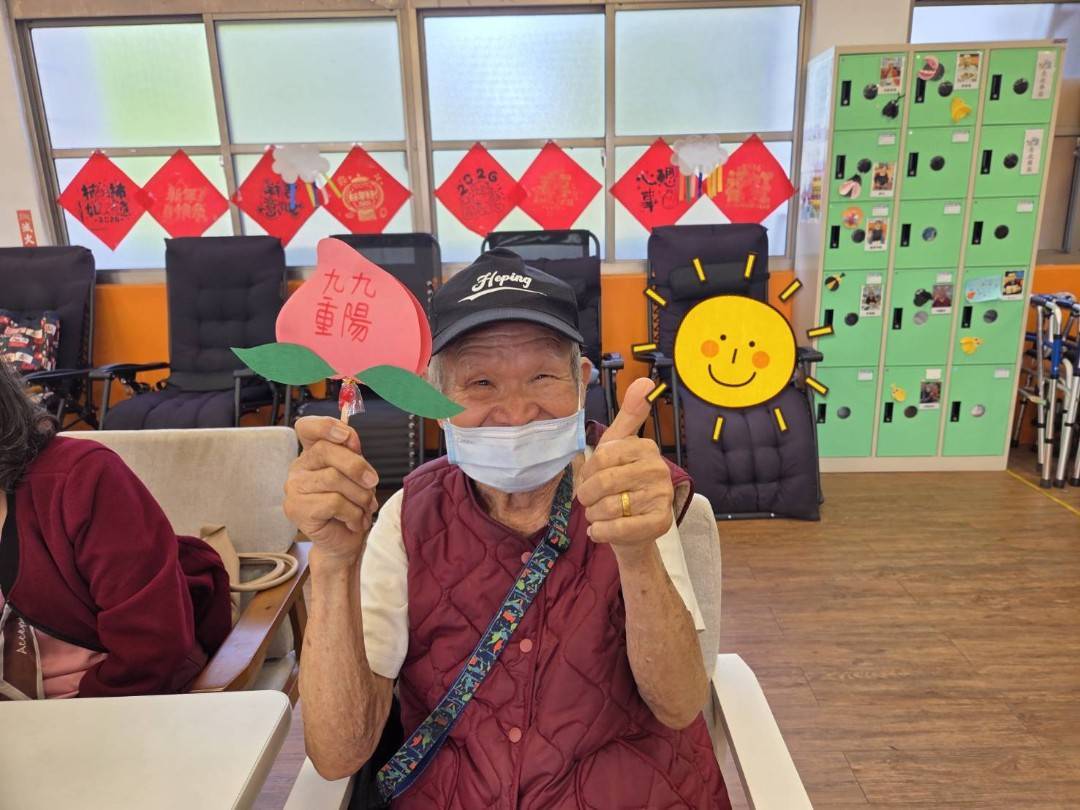
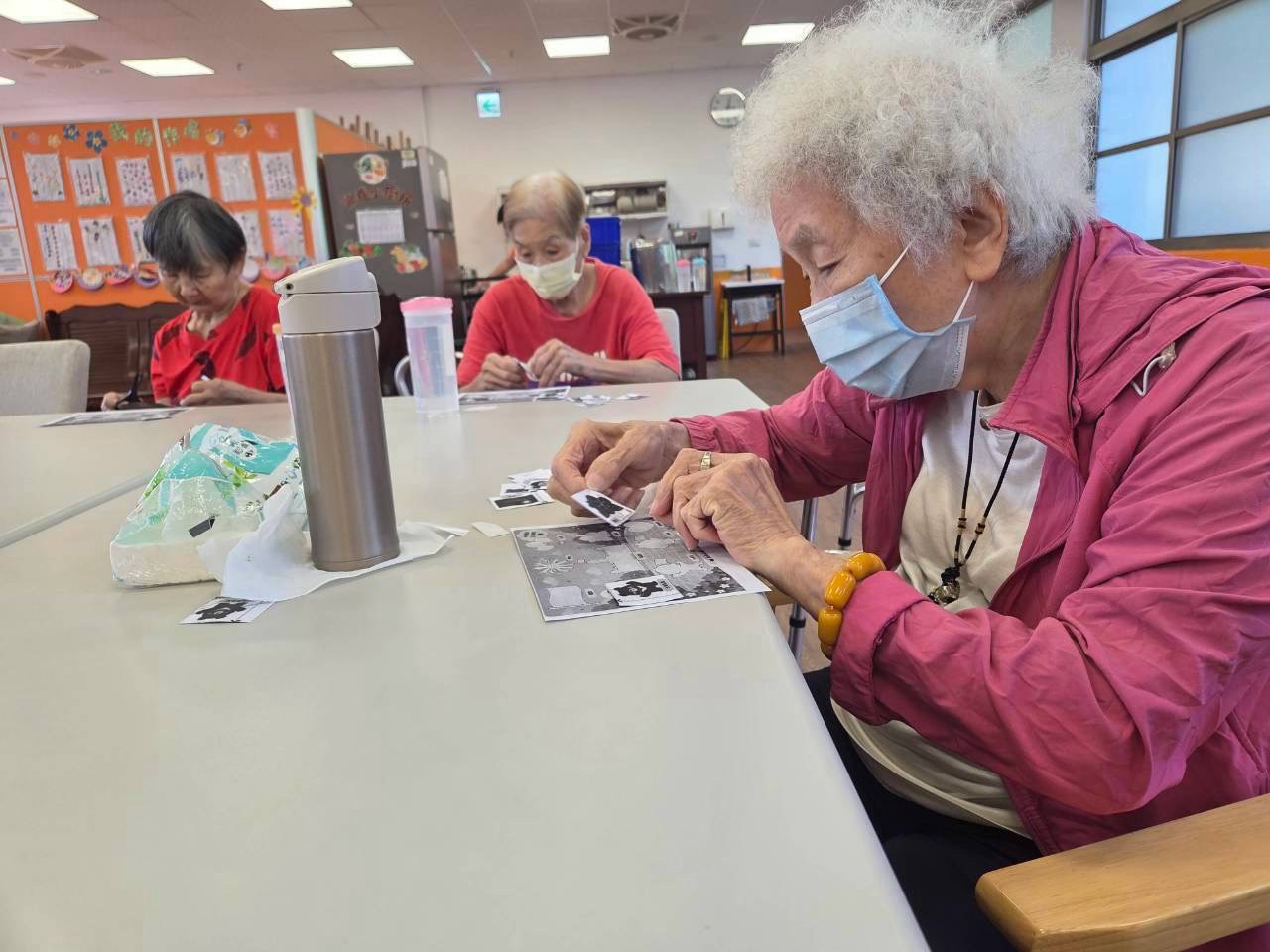
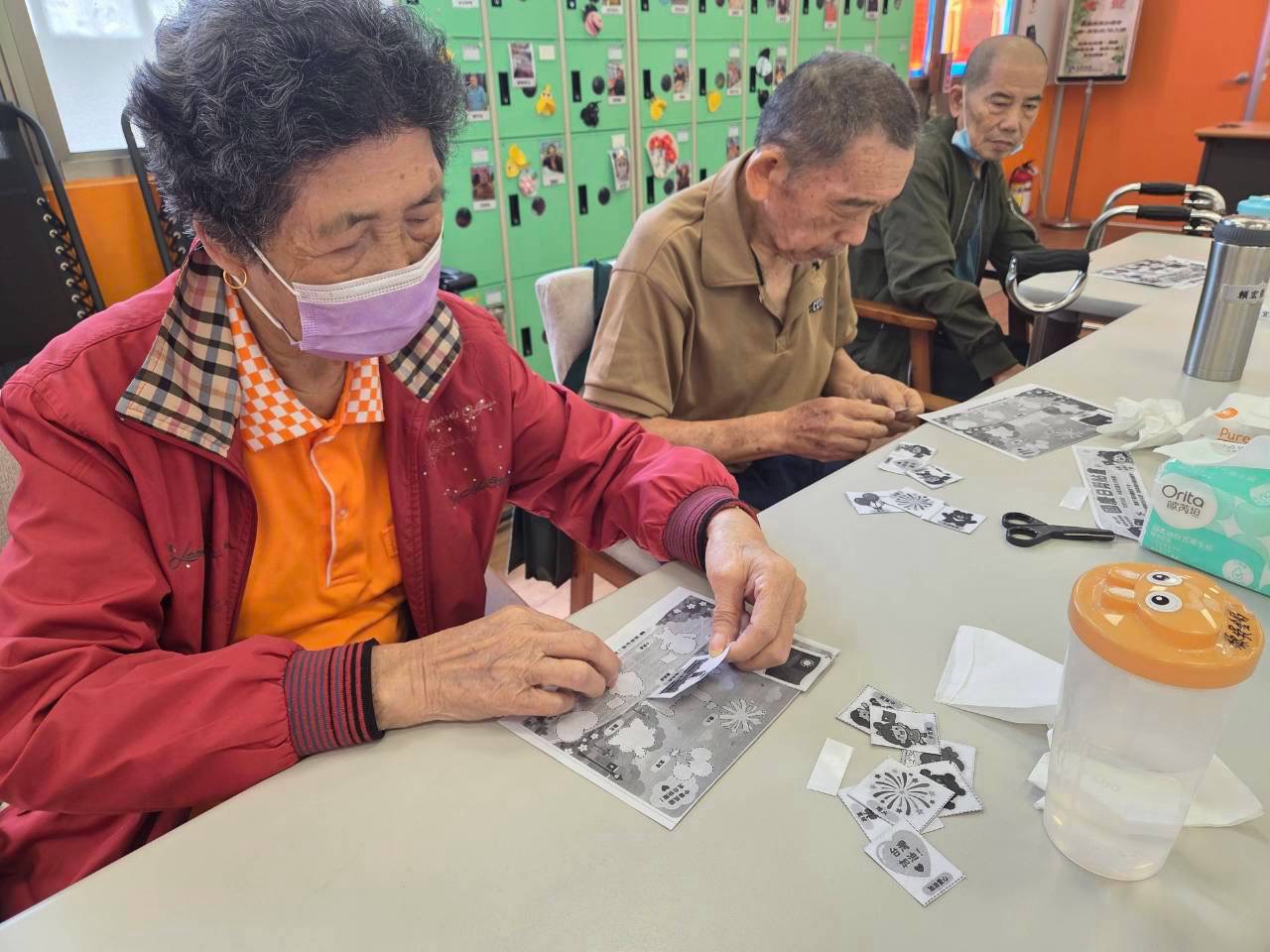
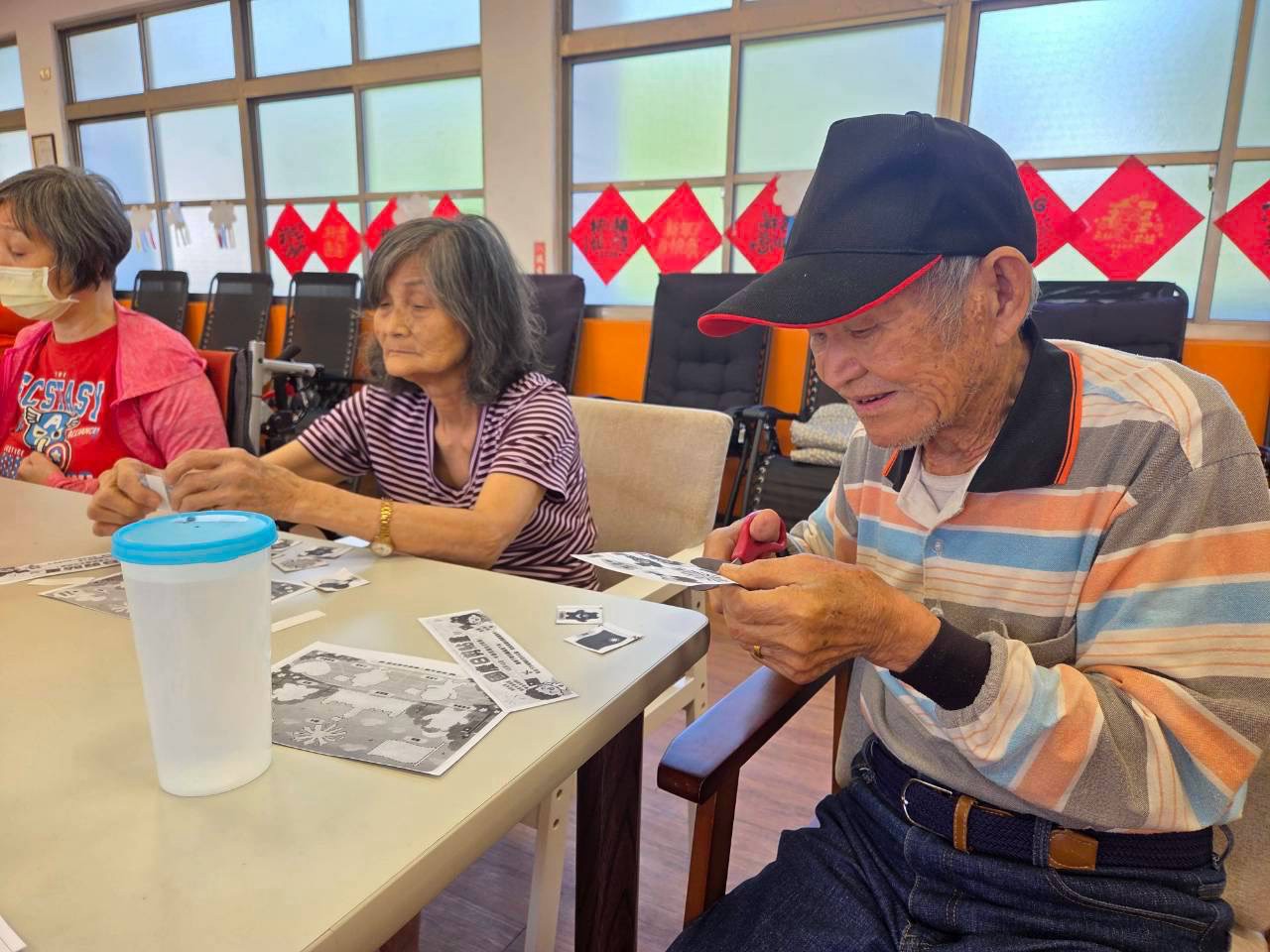
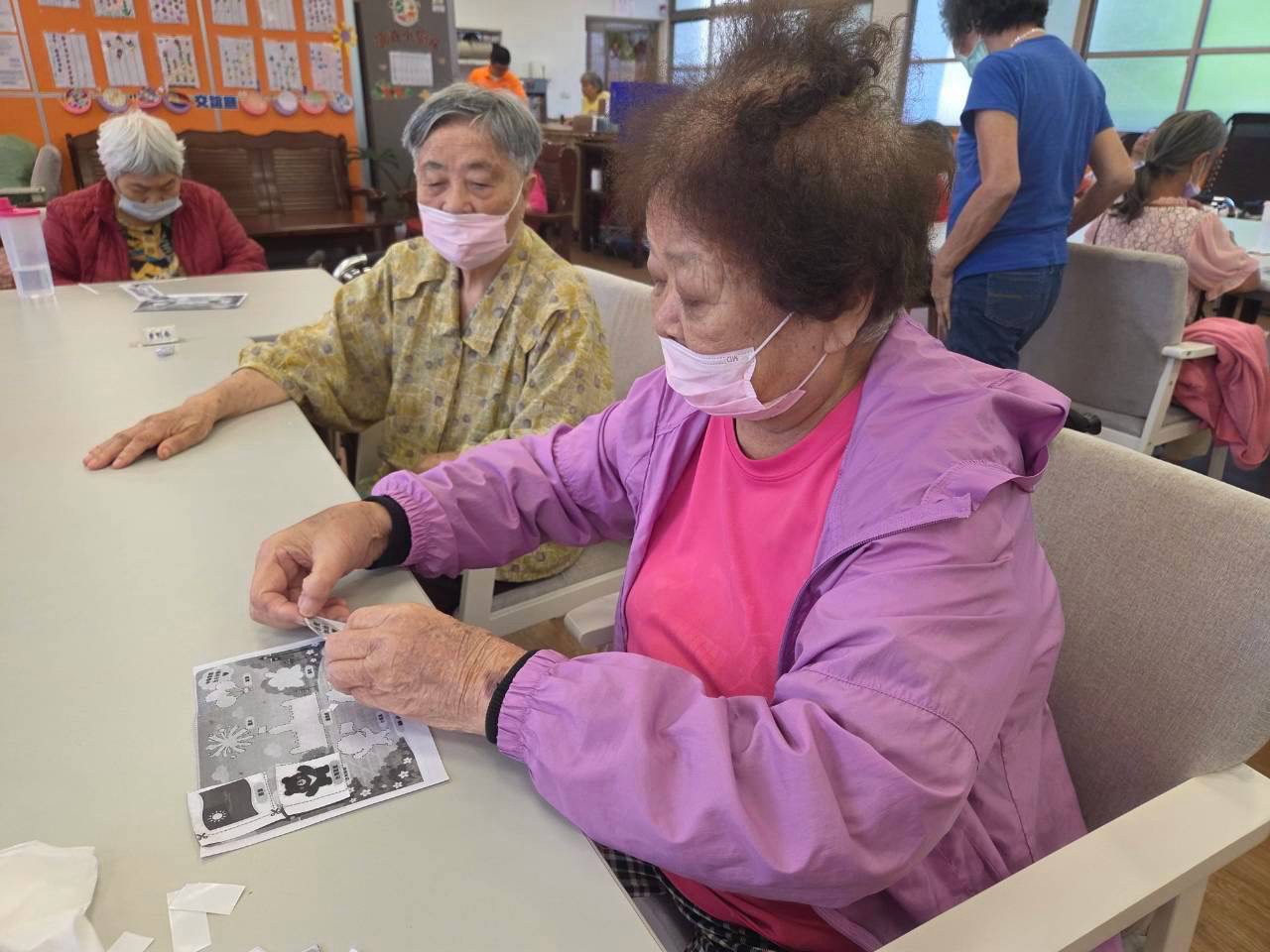
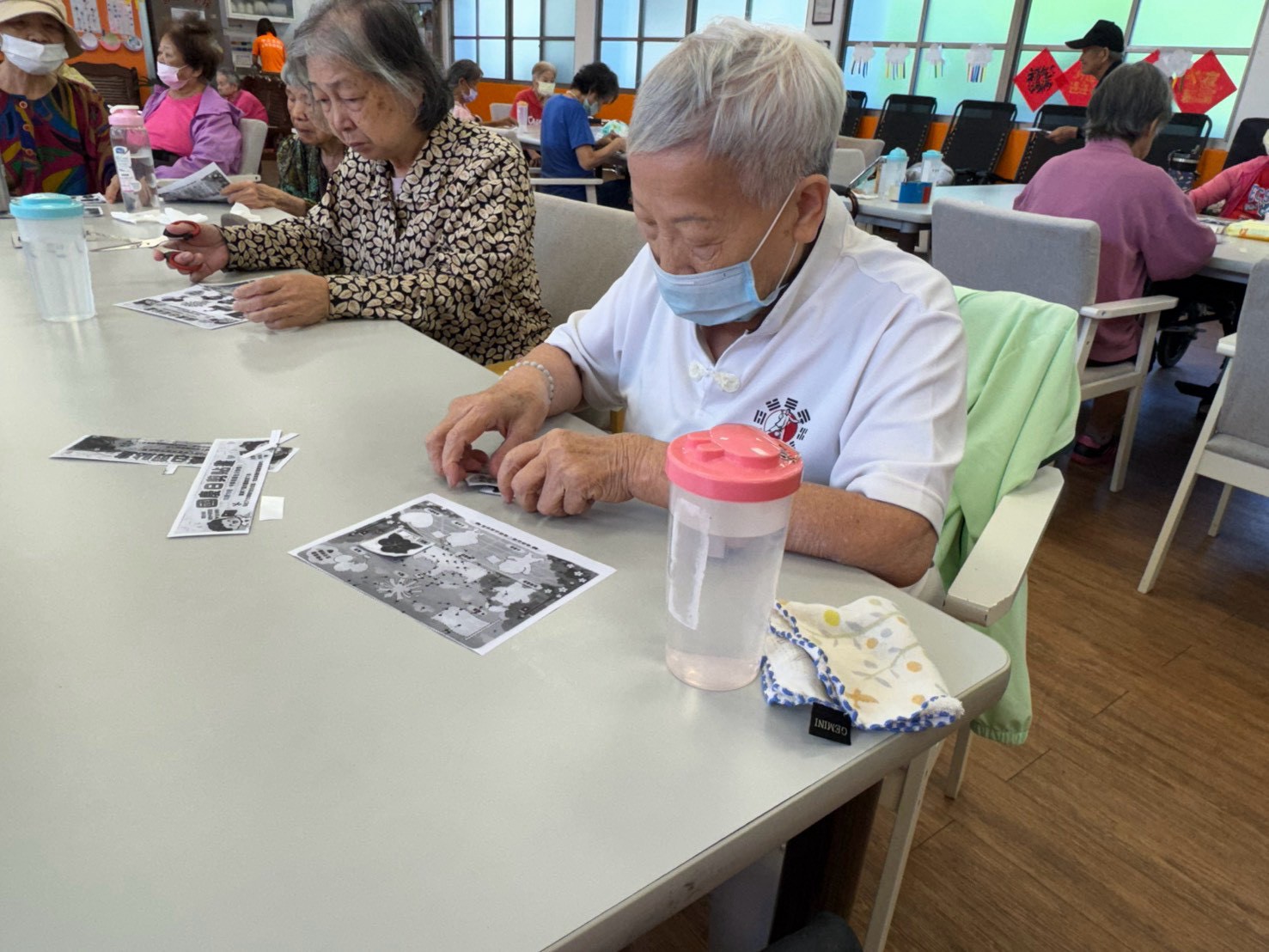
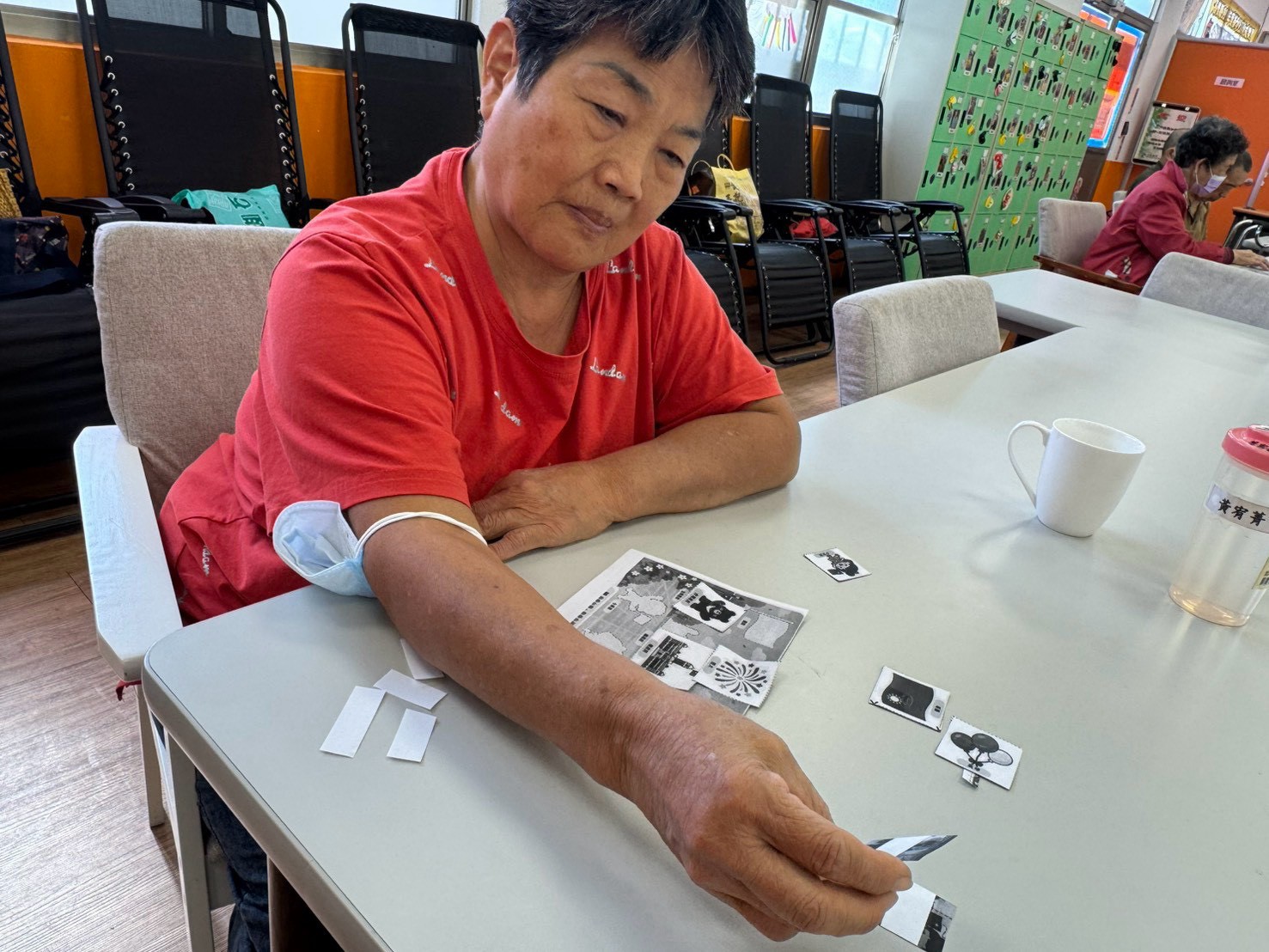
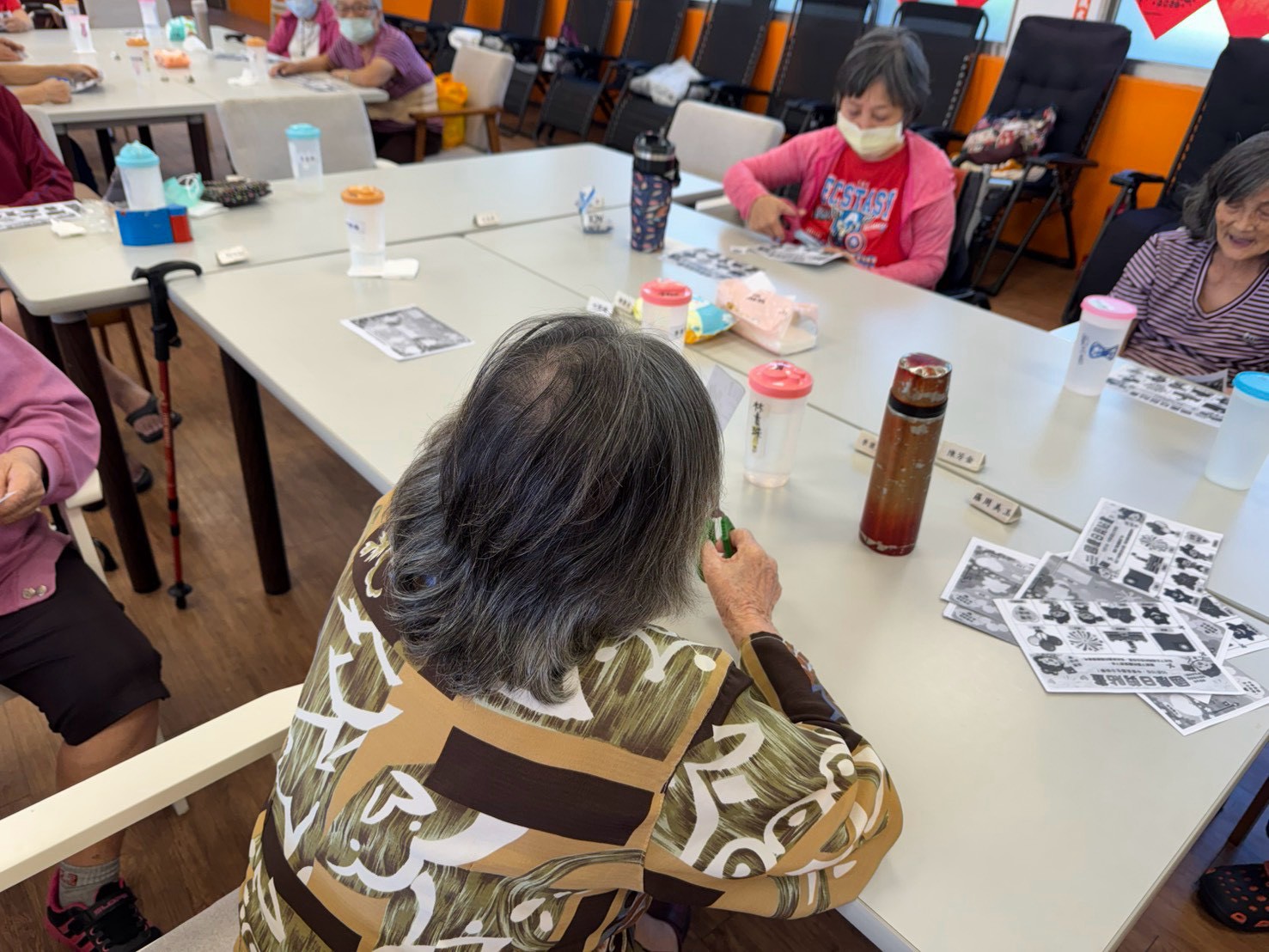
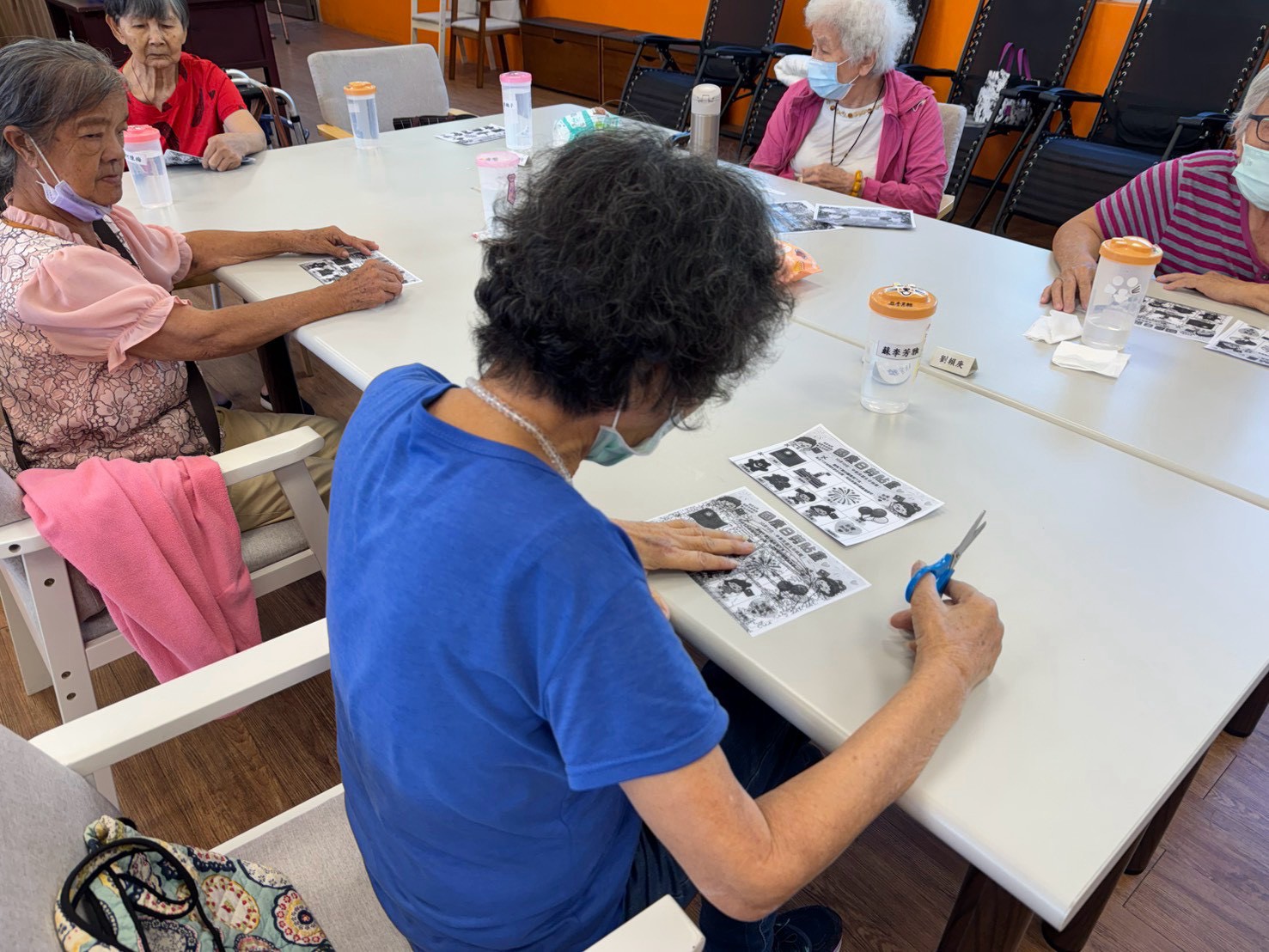
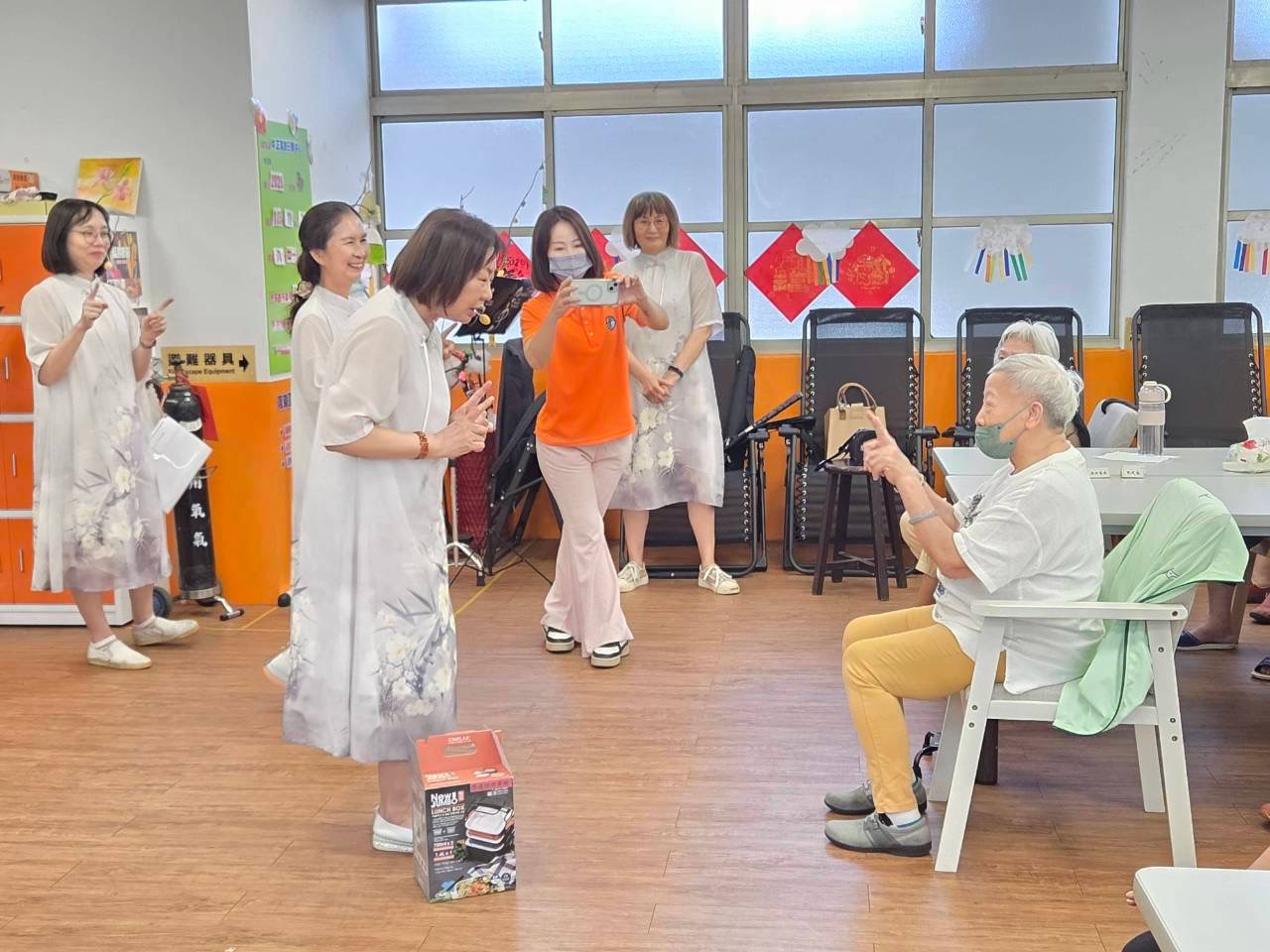
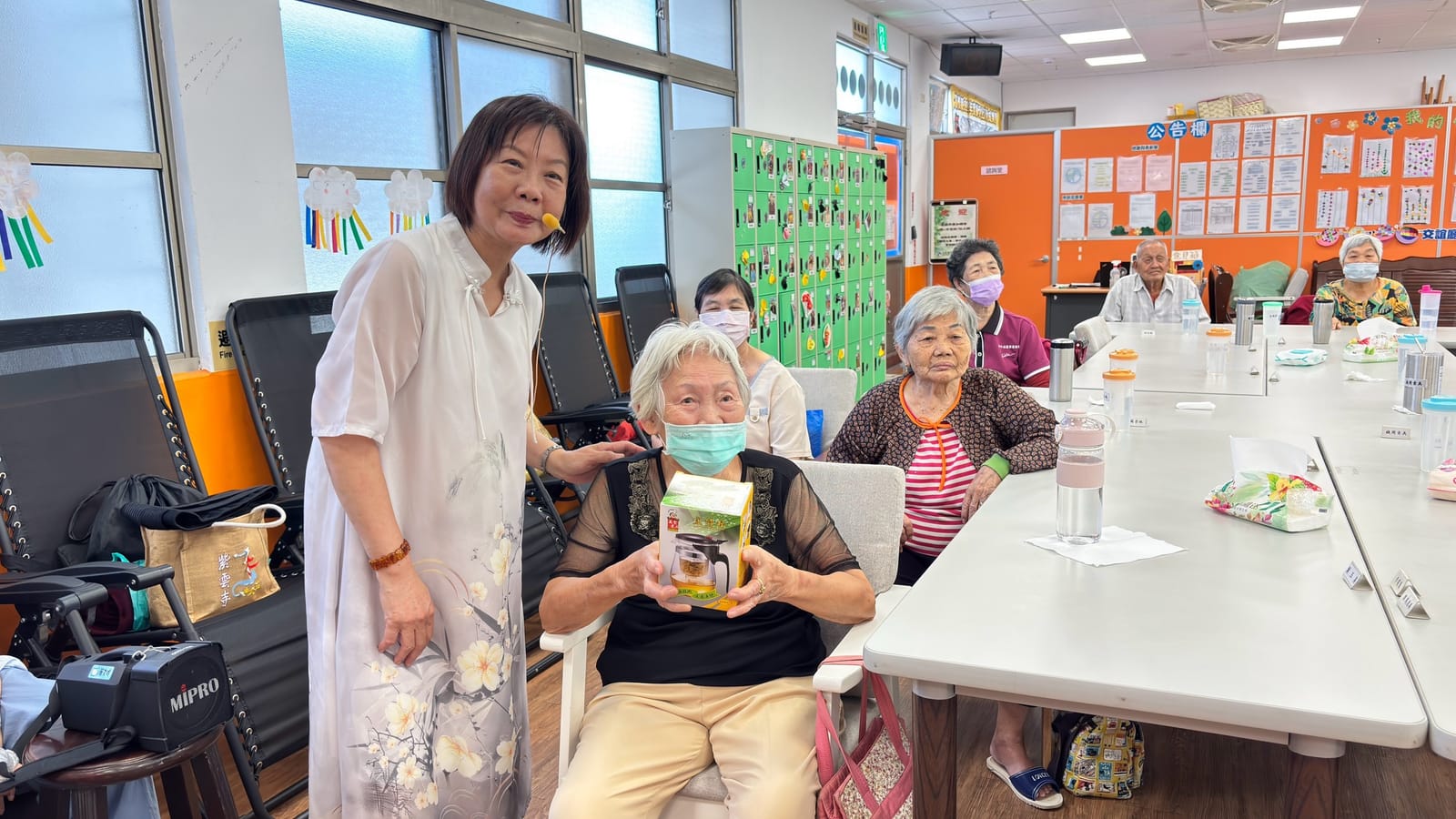
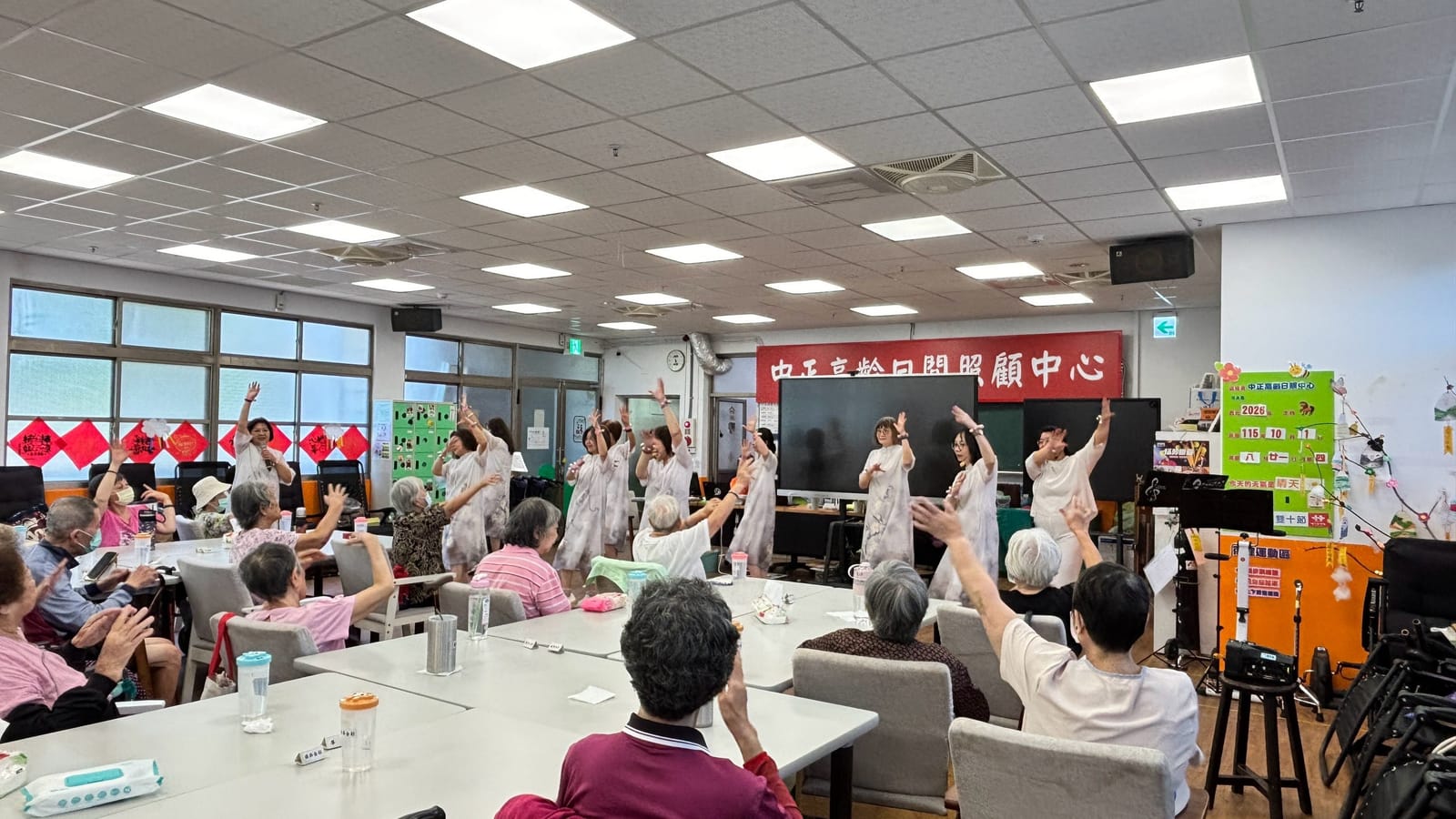
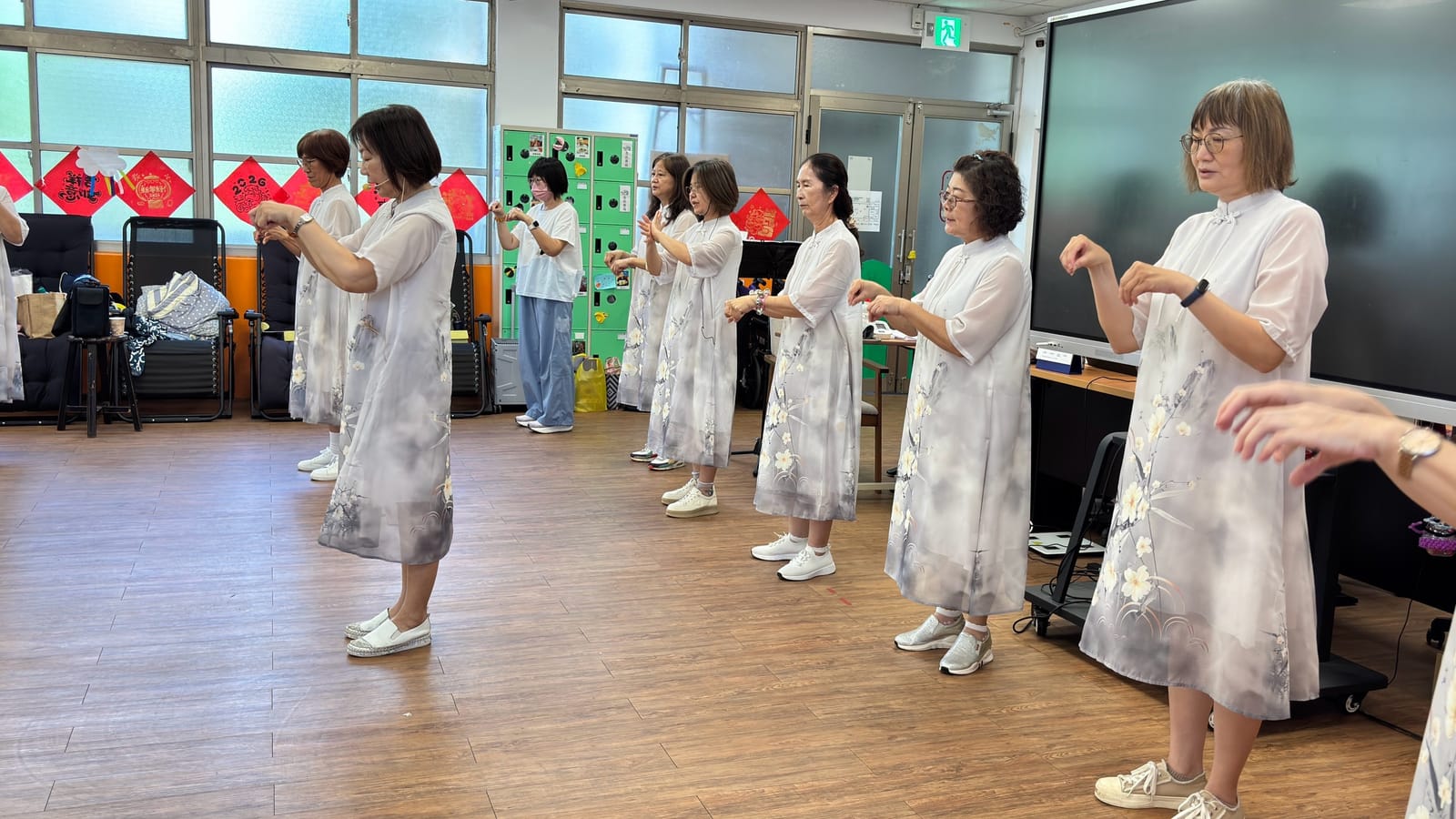
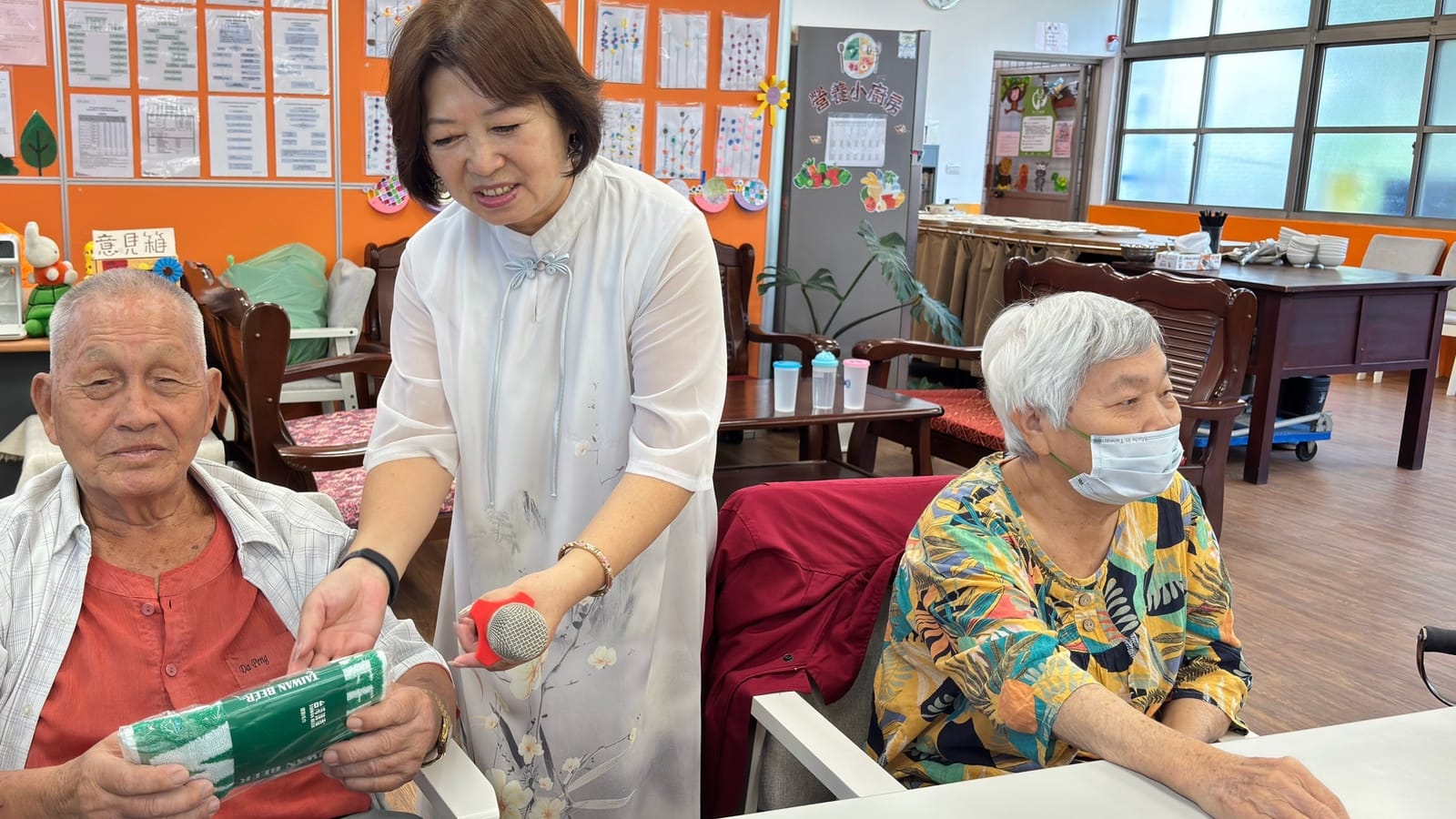
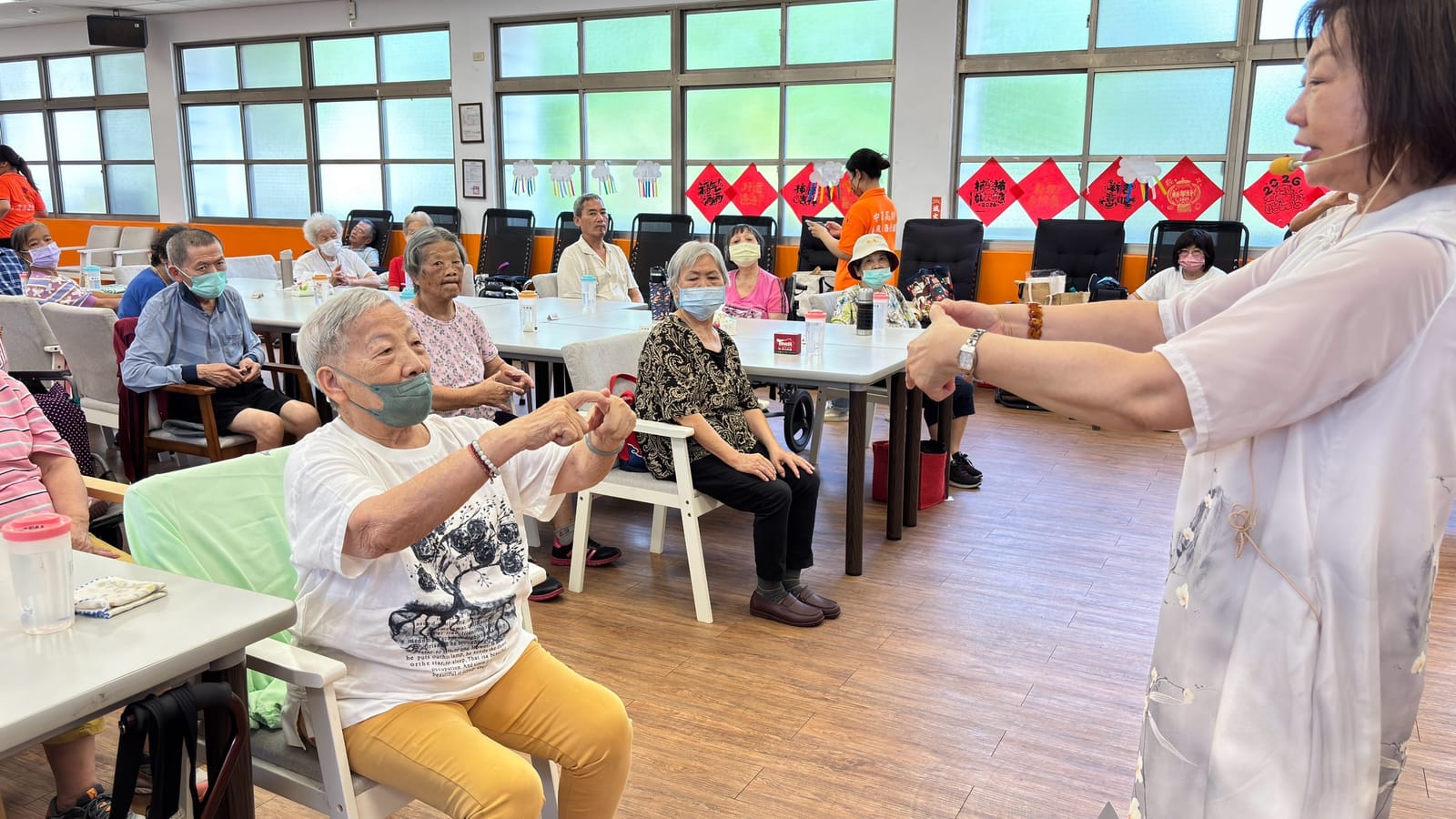
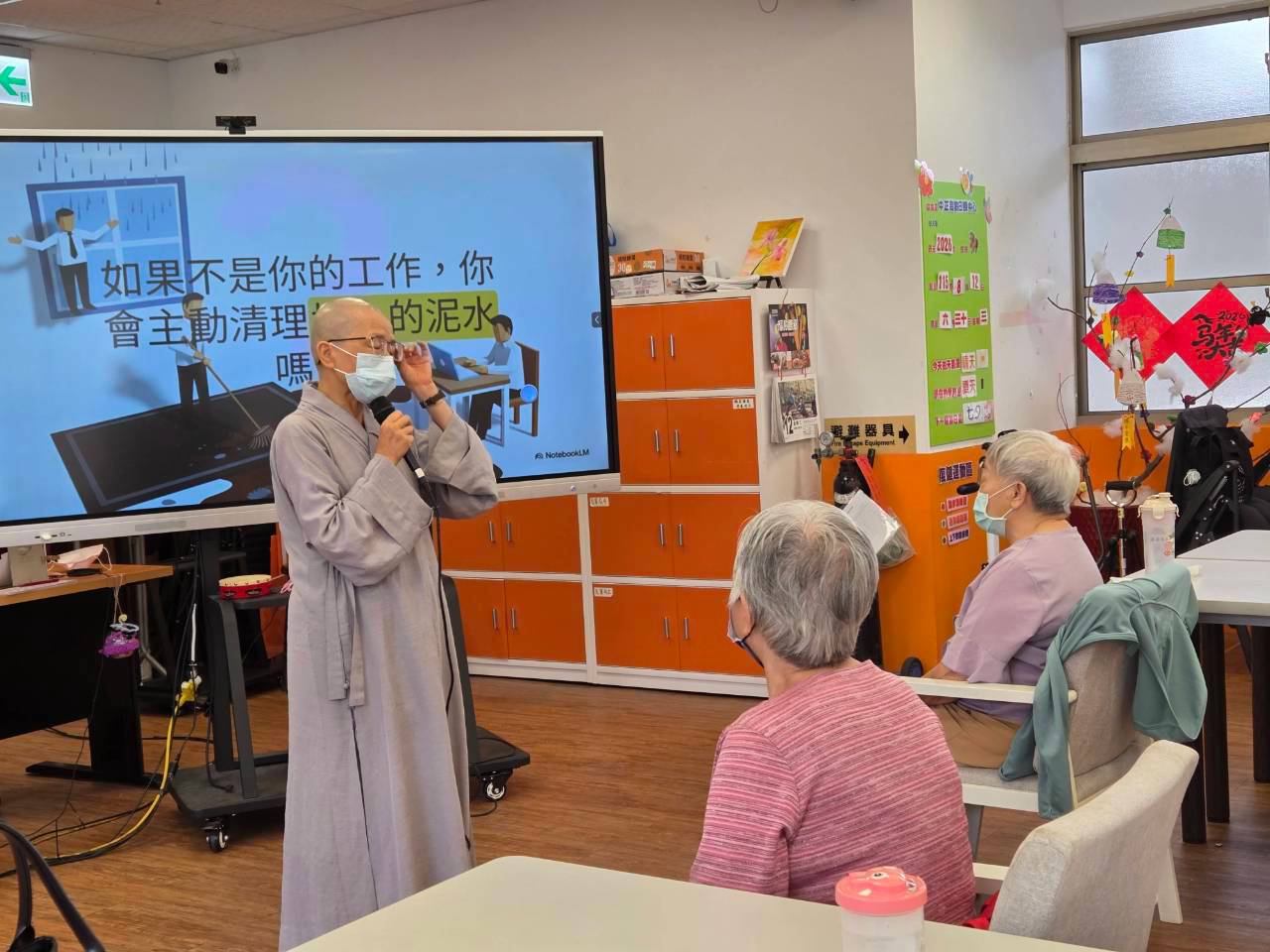
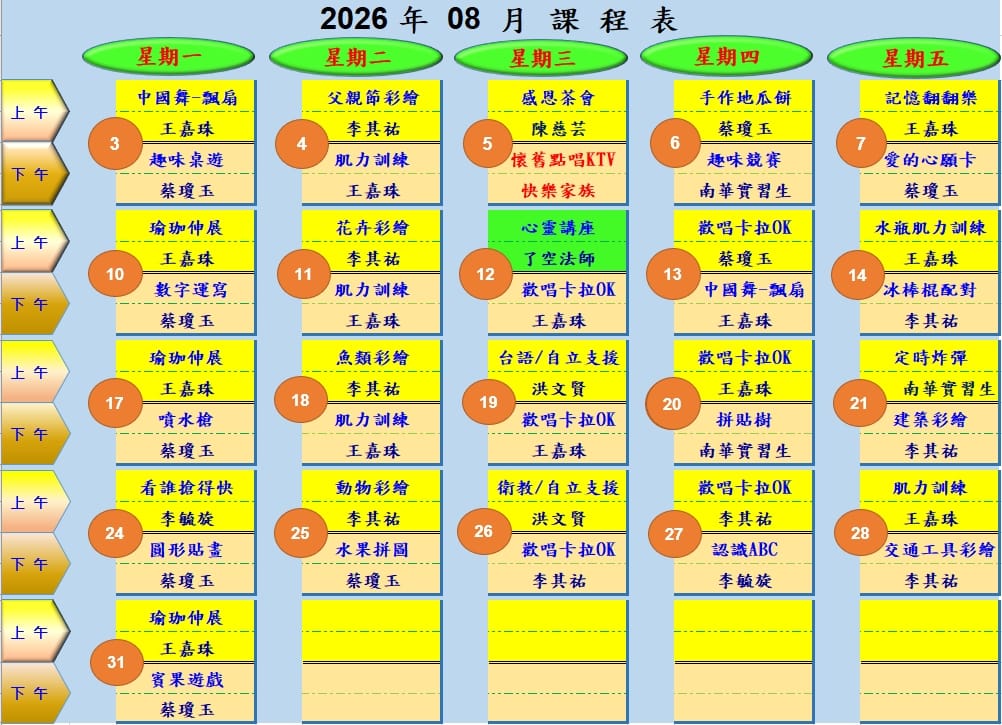
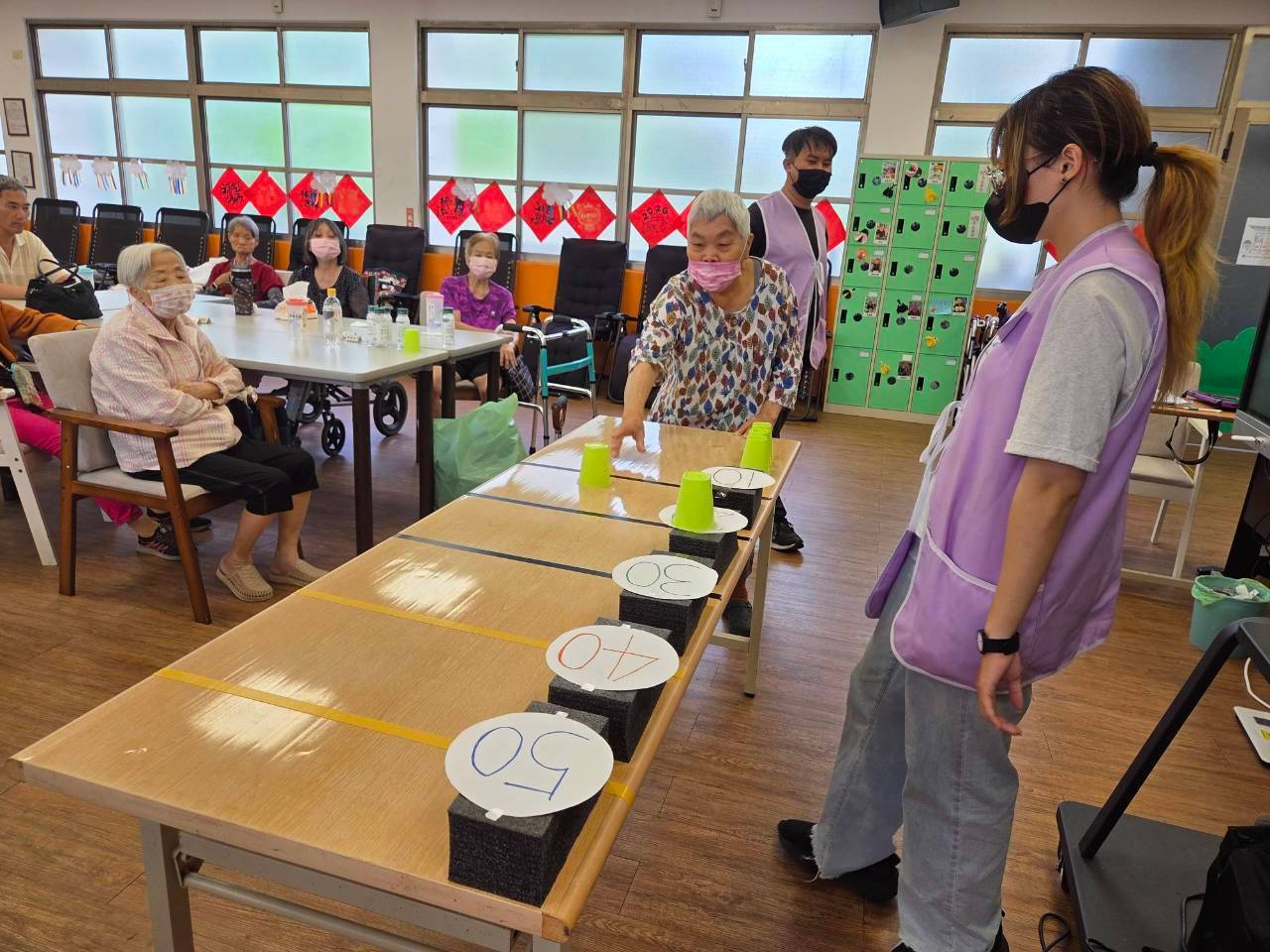
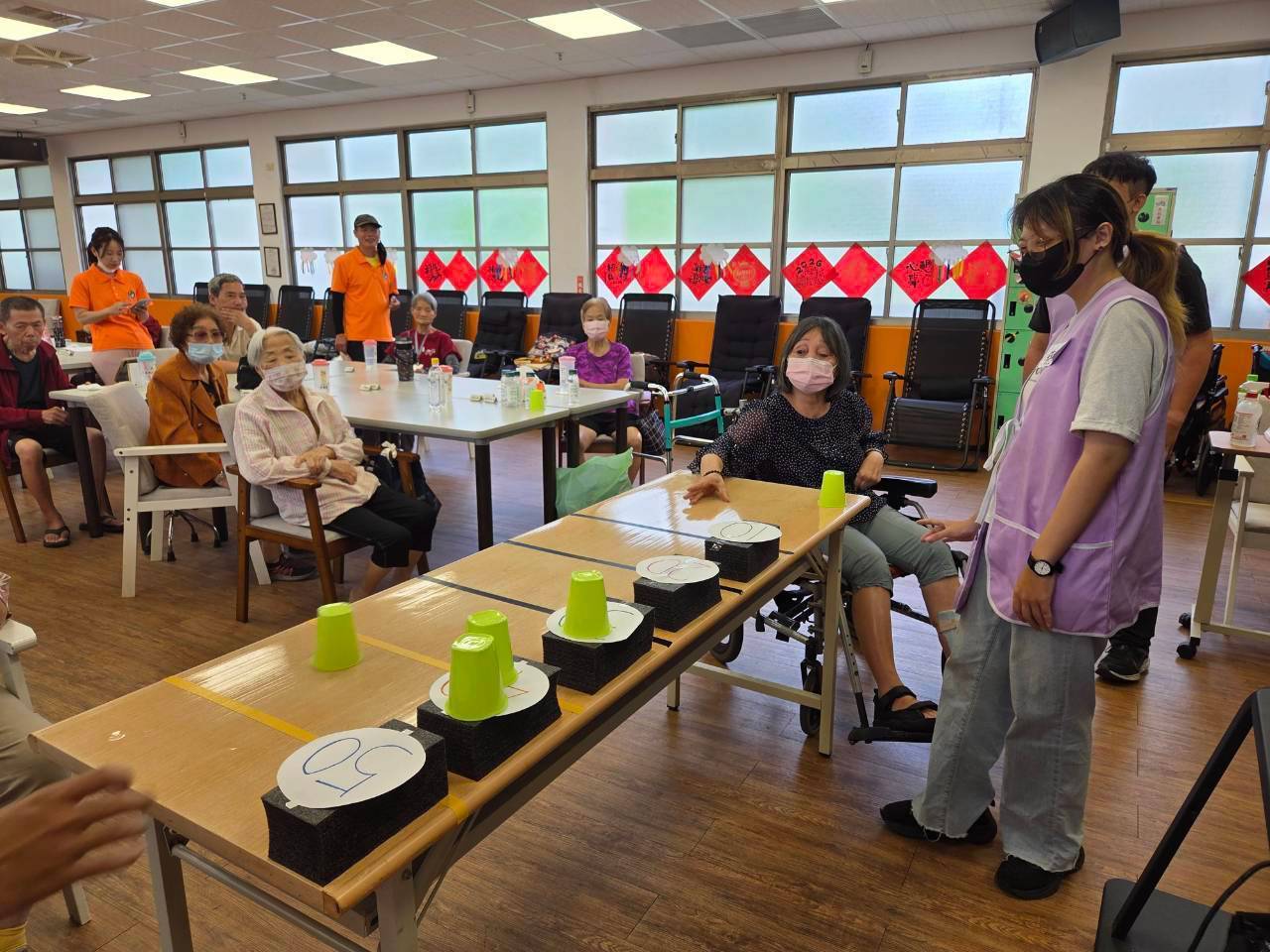
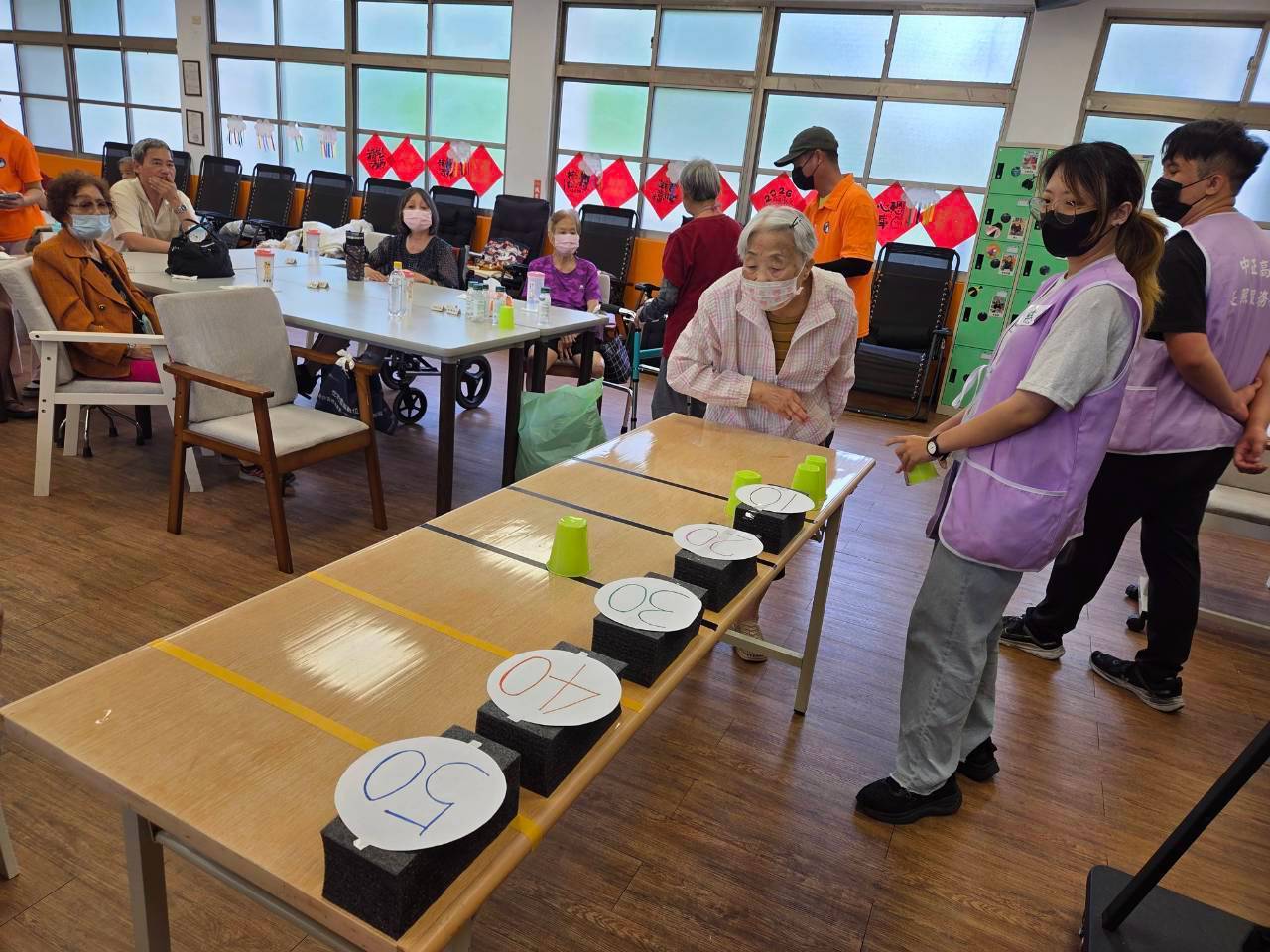
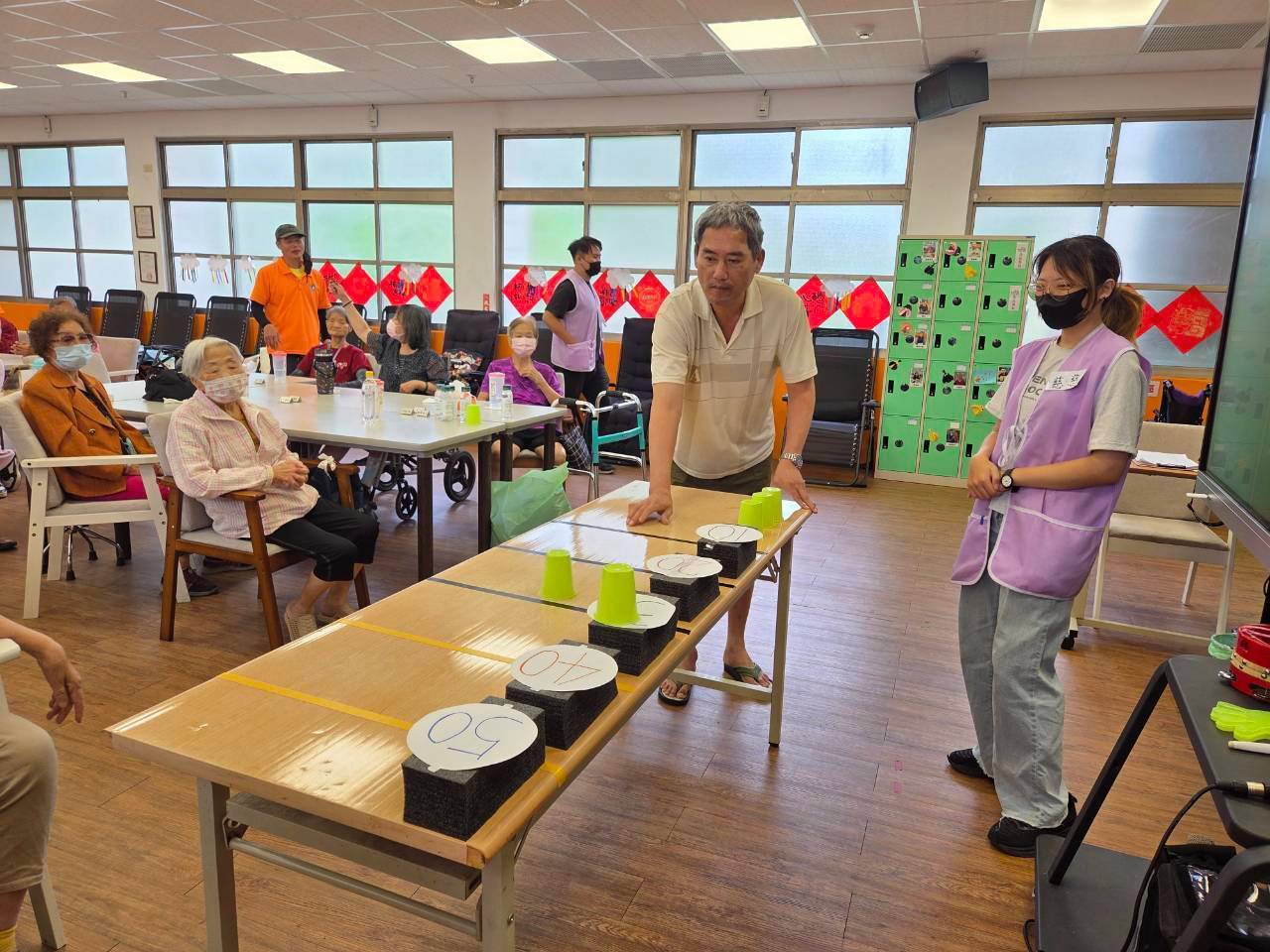
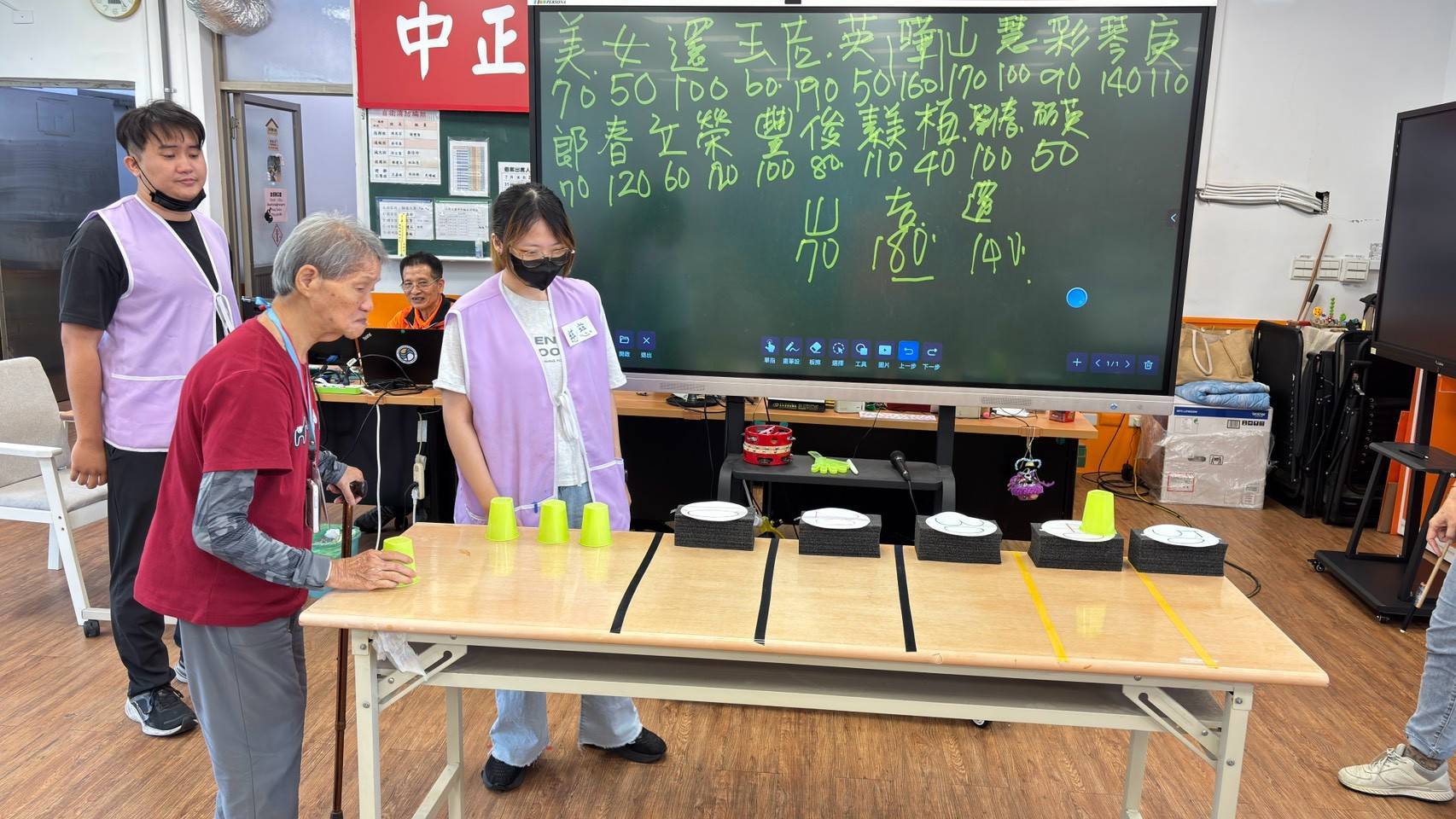
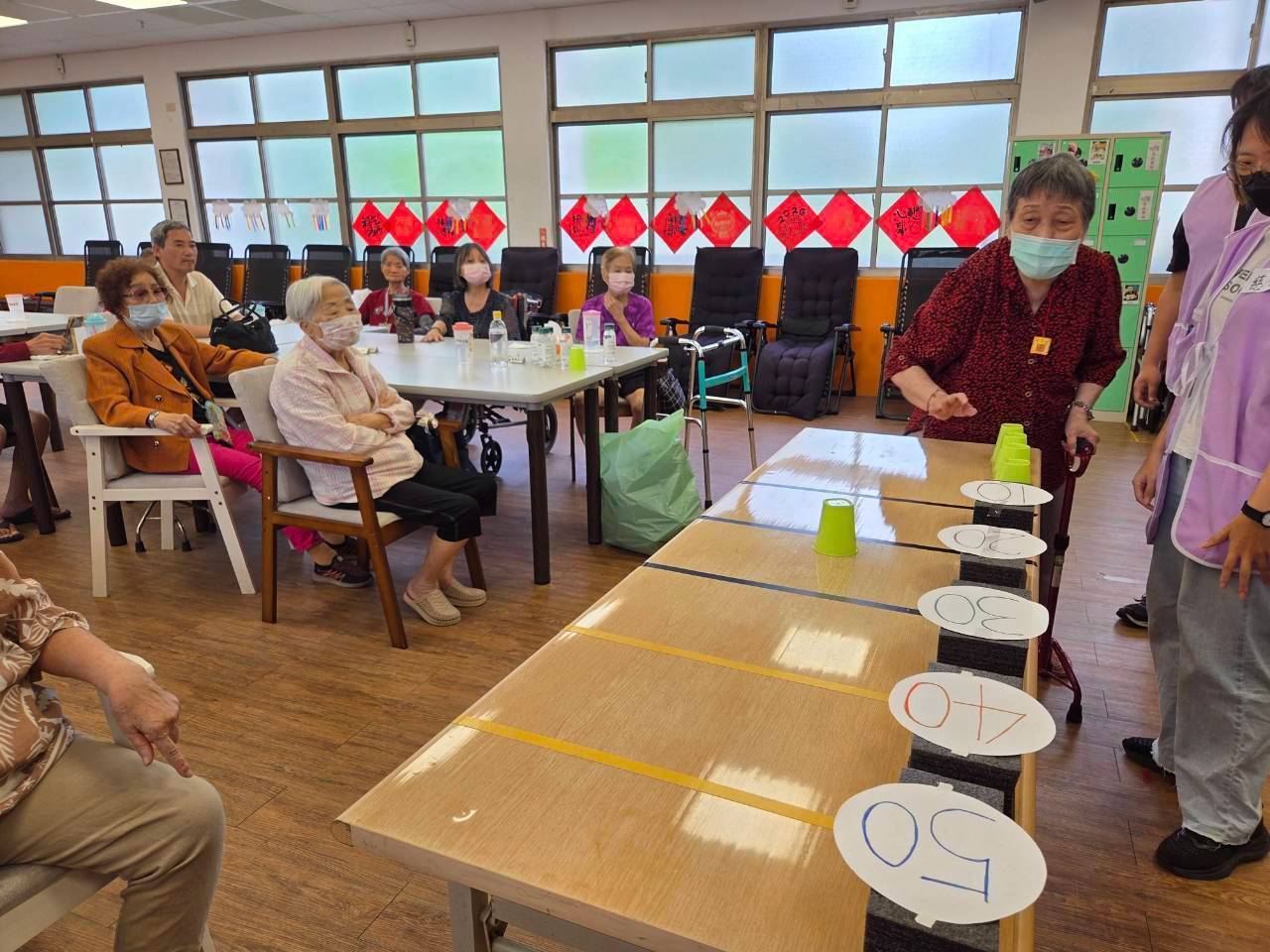
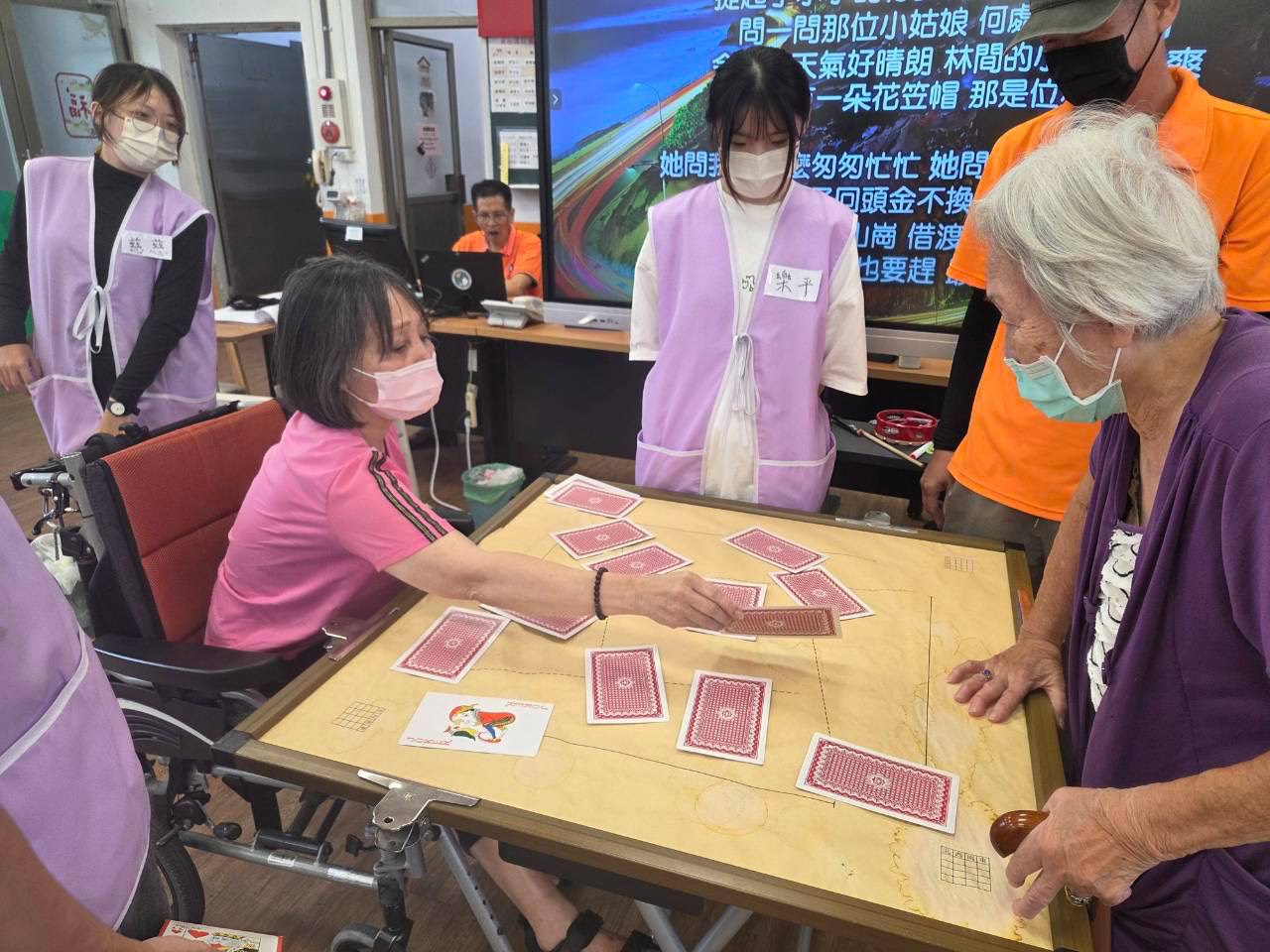
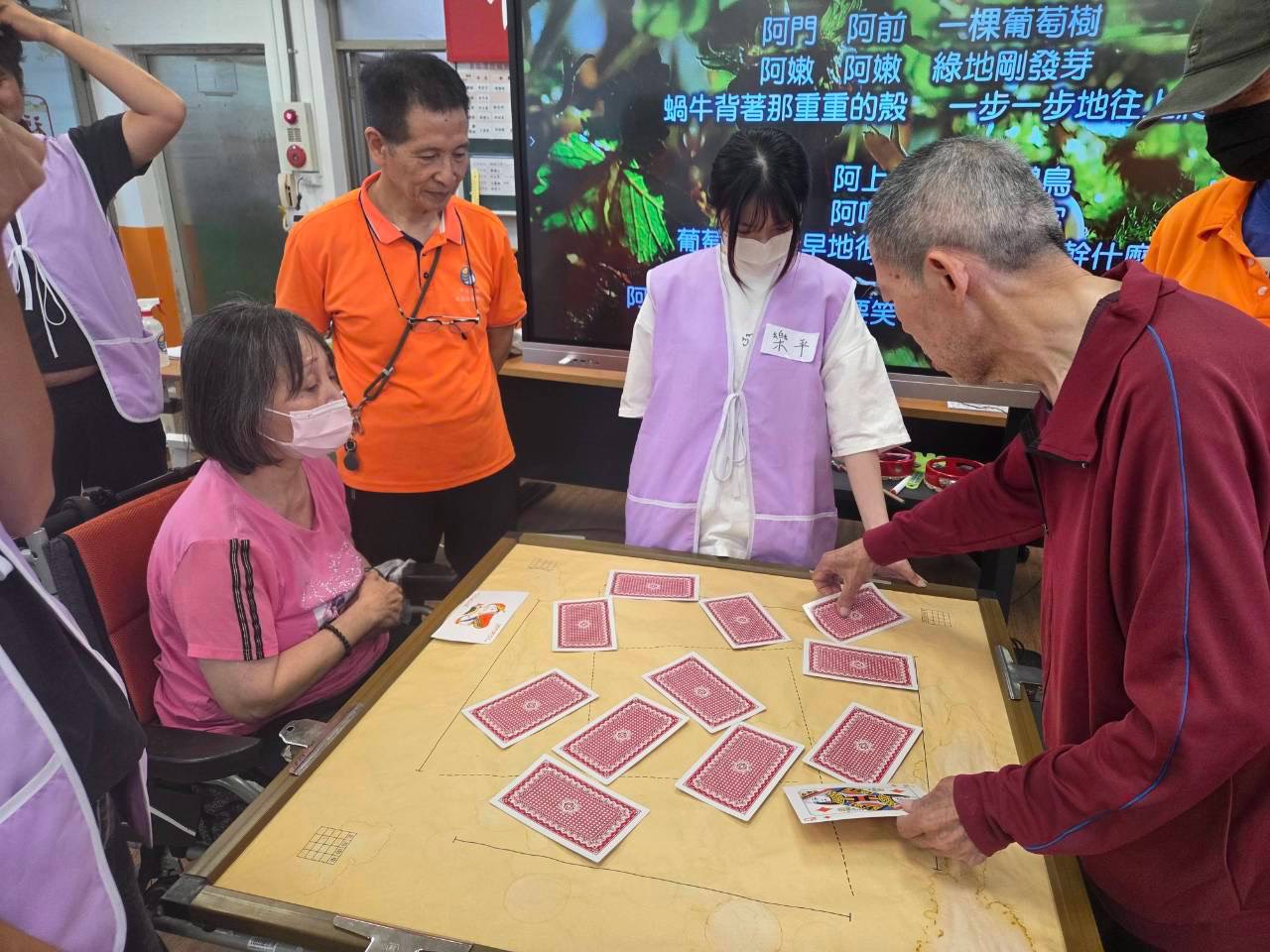
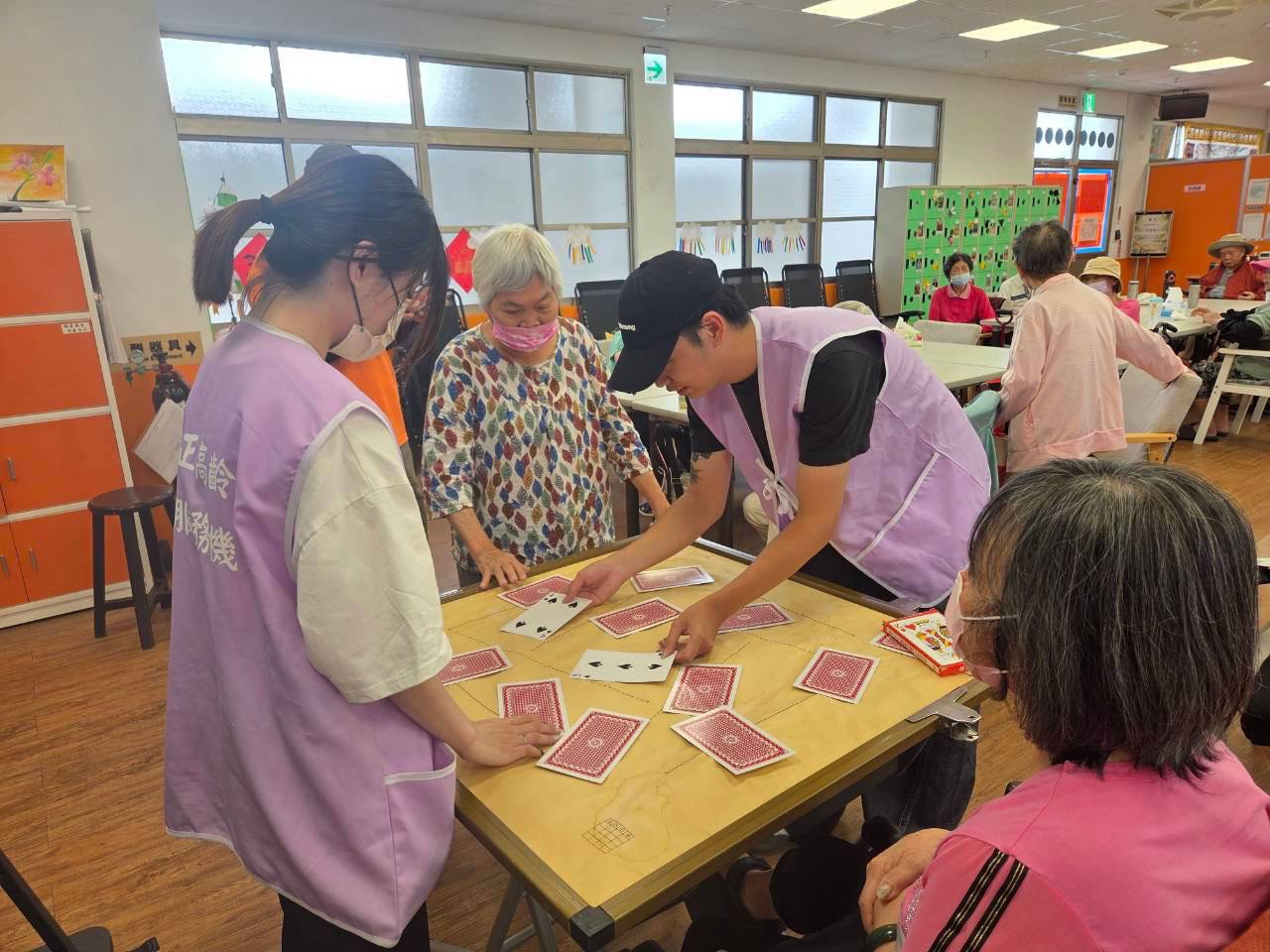
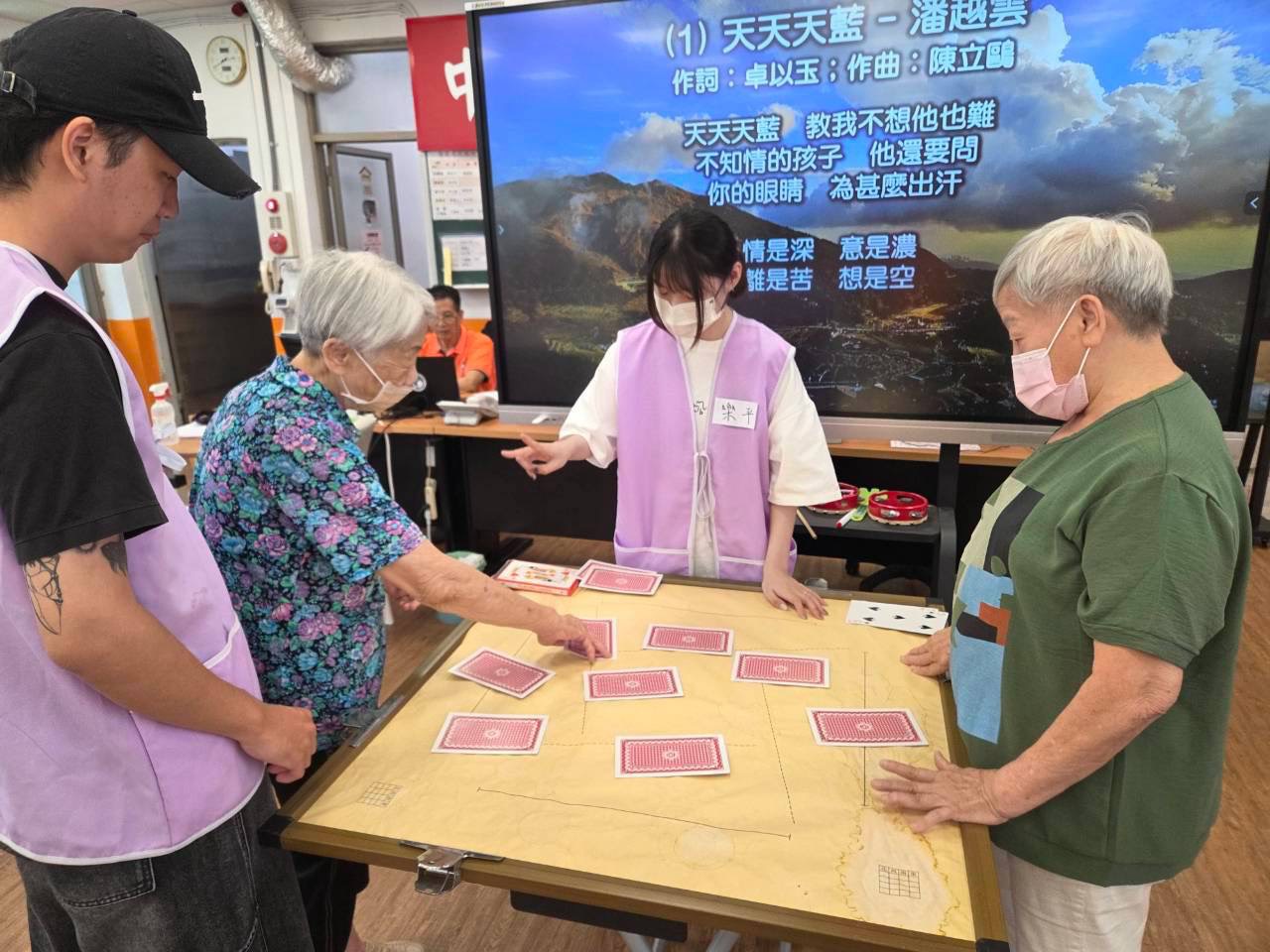
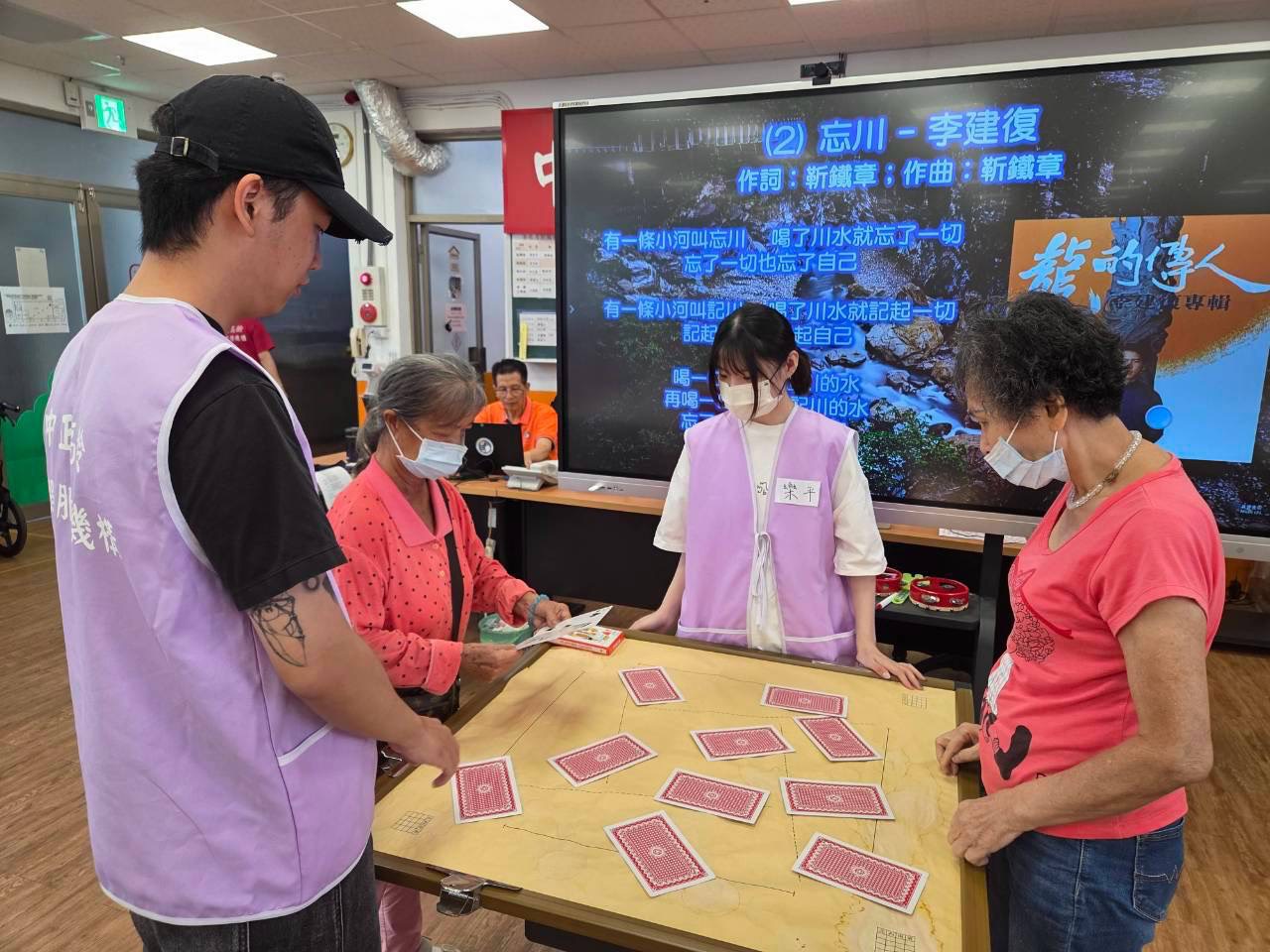
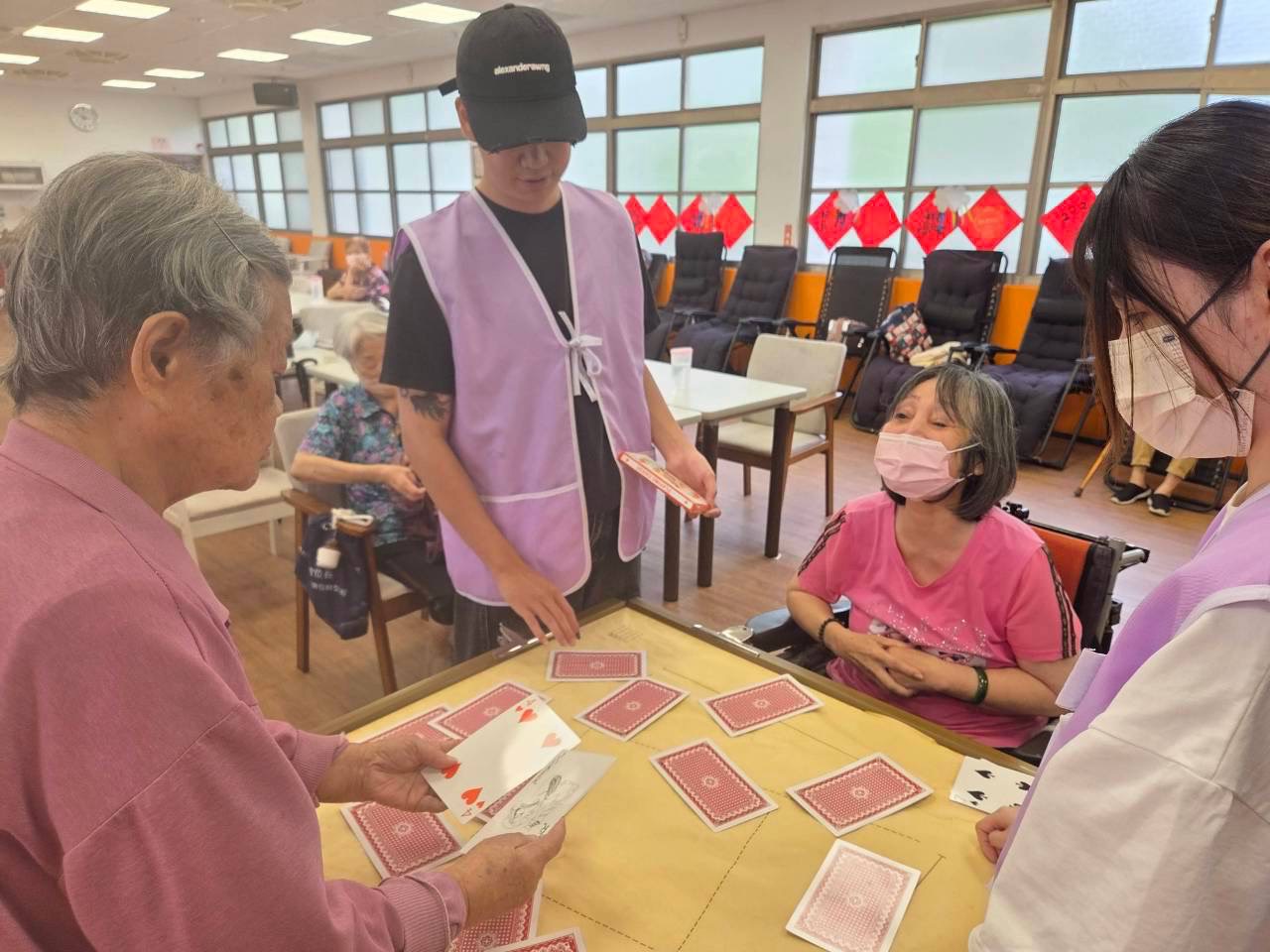
We plan personalized, drug-free activities (such as senior stretching exercises, reminiscence therapy, crafts, and brain games) to help older adults keep their everyday physical abilities and slow the progress of dementia.
We offer care advice and hold caregiver talks and family get-togethers to ease the stress of caring for a loved one.
Scope: all day care residents, including closed cases. Only head counts are shown, with no personal information. Ages are calculated as of today.
The most affordable and proper way to use our day care center is through the government long-term care subsidy. Here is how to apply and get started:
A family member or the older adult calls the Long-Term Care Hotline 1966 or the local long-term care branch station (located at each township or city health center), and gives the person’s name, ID number, current condition, and care needs.
A government care manager will arrange a home visit to assess the older adult’s physical and cognitive abilities and decide the disability level (only CMS Levels 2 to 8 qualify).
Once you pass the assessment, a long-term care case manager will talk with your family and add “Day care center (code BB services)” to the care plan, based on your approved subsidy amount.
The case manager will match you with a local day care center. We recommend bringing your loved one to see the space and daily routine in person. Once you are both comfortable, you can sign the contract and enroll.
Our fees are not one fixed number. They depend on the older adult’s disability level and the household’s financial situation. The government groups households into three categories, each paying a different share as co-payment:
At the most common disability levels, if you use full-day care (Monday to Friday) for a month, a regular household (16% co-payment) pays roughly the following:
| Disability level | Who it suits (examples) | Estimated monthly co-payment for regular households (approx.) |
|---|---|---|
| Levels 2-3 | Mild disability or dementia Mostly independent in daily life but needs prompting |
$2,500 ~ $3,500 |
| Levels 4-6 | Moderate disability or dementia Needs some help with walking or washing |
$4,000 ~ $6,000 |
| Levels 7-8 | Severe disability or dementia Mostly uses a wheelchair and needs intensive daily care |
$6,500 ~ $8,500 |
Besides the basic care fee, there are usually the following extra costs (paid in full by you):
Chung Cheng Gaoling Day Care Center is guided by these four core ideas in how we run the center and care for people:
Older adults stay in the community and neighborhood they know. They receive care and enjoy company during the day and return home at night, avoiding the loneliness and adjustment problems that can come from moving too early into a 24-hour care facility.
Our guiding principle is “don’t do it for them.” We encourage older adults to do what they still can (such as carrying their own bowl or buttoning their own shirt). Nurses and care workers guide and keep them company, which protects their dignity and keeps their abilities from fading faster through over-reliance.
Rehabilitation does not have to happen on hospital equipment. We build it into the day: picking up beans (finger grip), crafts (hand-eye coordination), singing (memory and lung capacity), and health activities (fitness, strength, balance, and fall prevention). Through games and time together, older adults get exercise and help delay disability and dementia without even noticing.
Our team brings together social workers, nurses, care workers, occupational and physical therapists, and dietitians. We look after more than an older adult’s medical needs. We also care about their social life and emotional well-being, and we extend that support to the mental health of family caregivers.
Website planning: Chung Cheng Gaoling|Software design: Old Tree Technology
Copyright © 2026 中正高齡長照社團法人 (Chung Cheng Gaoling Long-Term Care Association)
All rights reserved.


Phone: 05-220-1001 / 05-220-2001
Email: [email protected]
Minxiong: 嘉義縣民雄鄉福樂村新生1街1號2樓
Zhuqi: 嘉義縣竹崎鄉竹崎村中華路33號(家照)
Dalin: 嘉義縣大林鎮平林里水源新城76號
Home Nursing Station: 嘉義市民生南路55巷2號7樓之5
Alishan: 嘉義縣阿里山鄉樂野村樂野90-1號
This month: 1848 visitors / Last month: 8876 visitors
Website planning: Chung Cheng Gaoling|Software design: Old Tree Technology
Copyright © 2026 中正高齡長照社團法人 (Chung Cheng Gaoling Long-Term Care Association)
All rights reserved.